

Antique Sepia Artwork
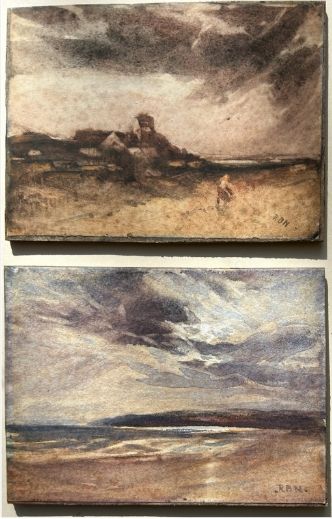
Antique sepia artwork brings together monochrome drawings, prints and paintings shaped by iron gall ink, sepia wash and aged paper.
Antique Sepia Artwork
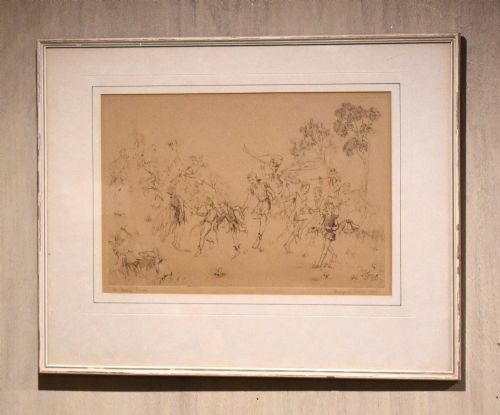
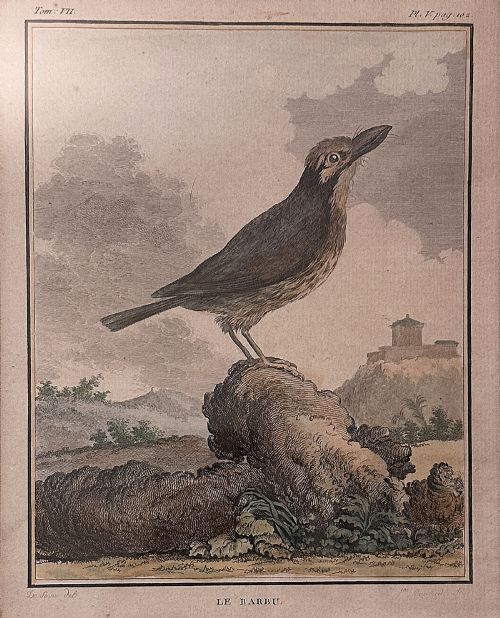
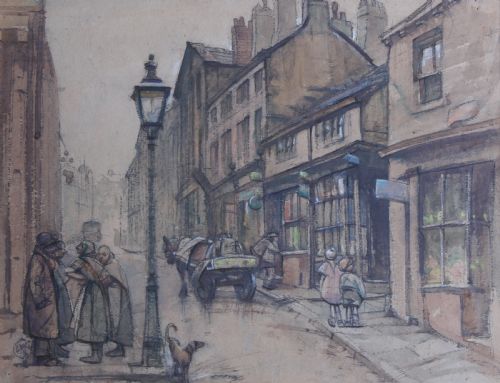
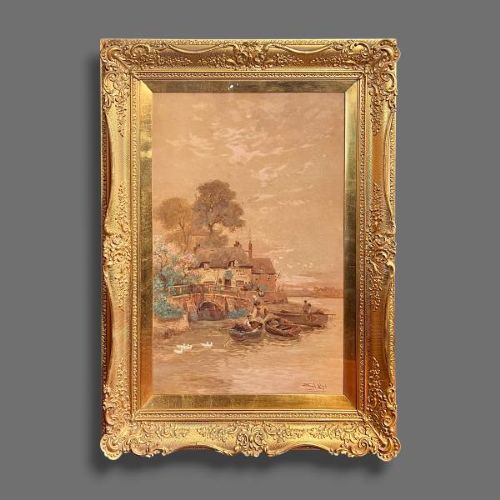
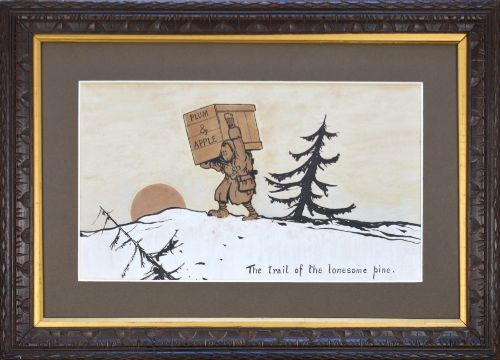
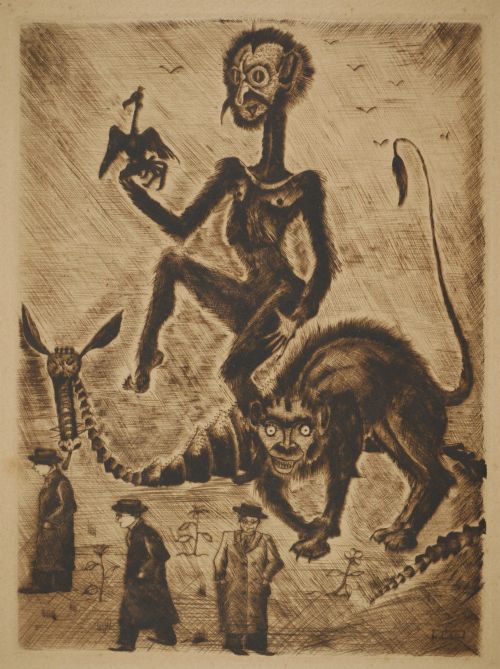
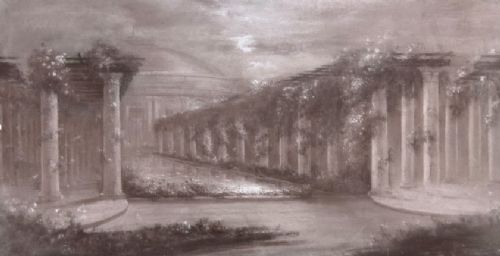
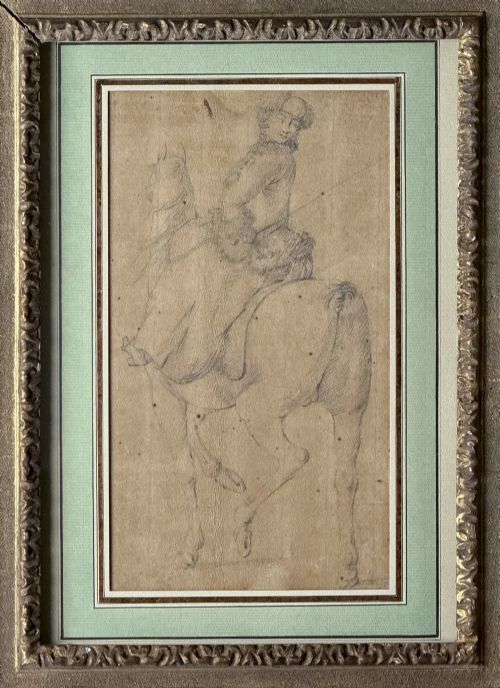
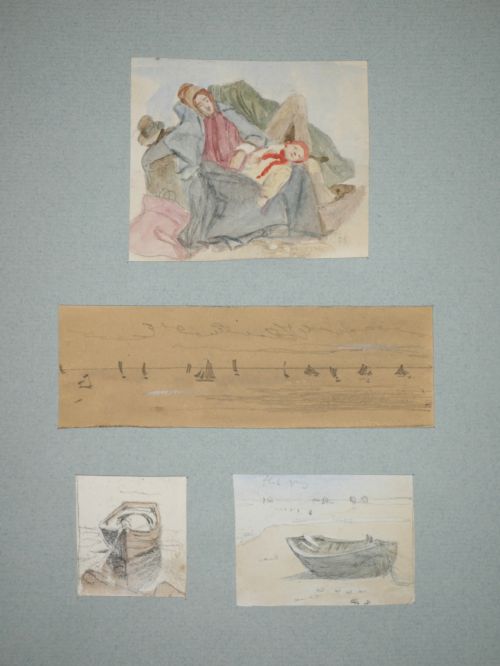
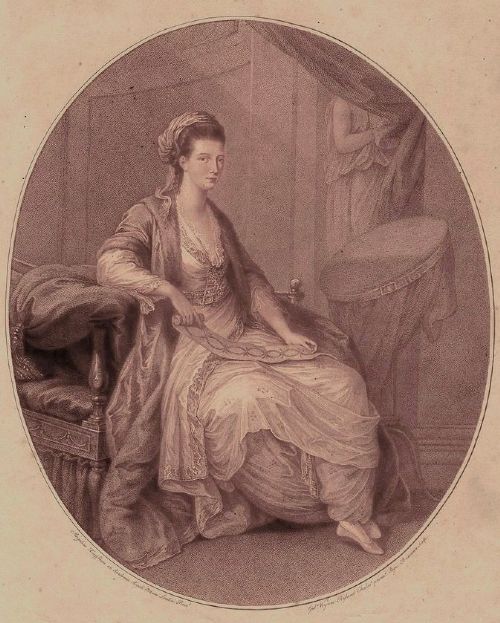
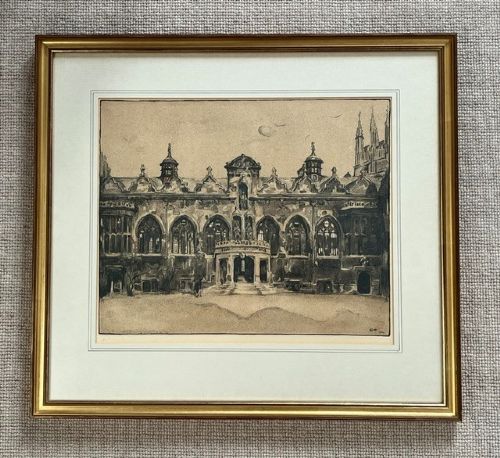
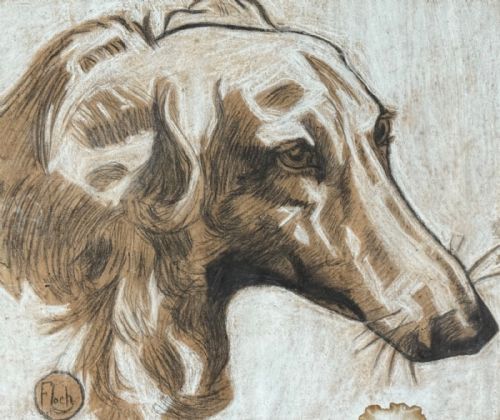
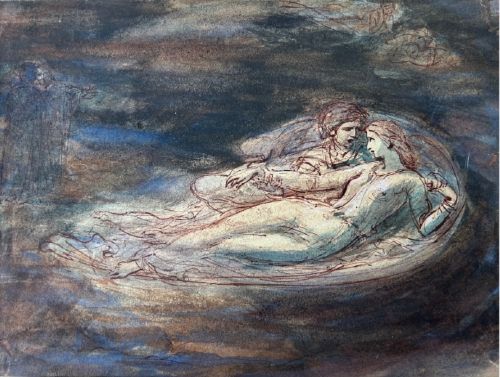
When you search for antique sepia artwork, you encounter works on paper executed in monochrome brown tones derived from the ink sac of the cuttlefish, alongside iron gall ink and dark washes. The pieces span centuries from the eighteenth through to the early twentieth century, taking the form of original drawings, watercolours, etchings and stipple engravings.
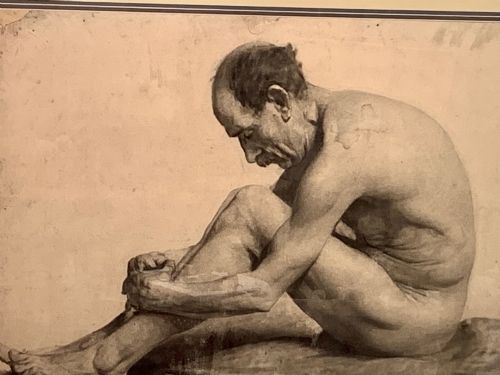
The selection on this page ranges from preparatory sketches and academic life studies to finished marine watercolours and portrait engravings. Most examples utilise traditional supports such as paper, buff paper and canvas, frequently preserved behind glass in period frames.
Materials and Technique
Artists built these monochrome images using ink, watercolour, graphite and charcoal on paper and canvas, often heightening details with touches of gold leaf or white bodycolour. Etchings and engravings relied on metal plates worked by hand, producing crisp lines that accepted sepia and black inks before transfer to paper.
The characteristic warm brown tones developed either from genuine sepia pigment, prepared from cuttlefish ink, or from the natural ageing of iron gall ink and unbleached rag papers over decades. Draughtsmen also employed pen and wash, gouache and chalk to achieve tonal depth and shadow across portraits, landscapes and architectural studies.
Listings feature works on paper spanning the eighteenth, nineteenth and early twentieth centuries, including Victorian and Edwardian periods.
Factors of Quality
Quality rests upon the sureness of the draughtsmanship and the expressive control of tone across the sheet. Preparatory sketches by recognised academic hands show confident line work and anatomical accuracy that distinguish them from routine student exercises.
The preservation of the paper surface and the clarity of the ink or plate impression dictate desirability. Strong contrast without excessive acid burn or fading retains the intended graphic impact of the original composition.
Bruce Bairnsfather·Herbert Dicksee·Sir William Nicholson·David Roberts·Louis Icart
The Antique Sepia Artwork Glossary
- Sepia
- A dark brown pigment traditionally obtained from the ink sac of the common cuttlefish. It was widely used by artists for monochrome drawings and washes.
- Etching
- A intaglio printmaking process where lines are bitten into a metal plate with acid. The resulting grooves hold ink for transfer to paper under pressure.
- Stipple Engraving
- A method of creating prints by dotting the surface of a metal plate rather than cutting continuous lines. This technique produced soft tonal gradations resembling drawings.
- Iron Gall Ink
- A permanent dark brown or black ink made from iron salts and tannin from oak galls. Over centuries, it naturally deepens and warms in tone on paper.
- Mezzotint
- A tonal printmaking method where the copper plate is roughened uniformly to produce rich dark areas. Lighter tones are scraped away to create subtle gradients.
Antique Sepia Artwork: Frequently Asked Questions
What is sepia artwork?
Sepia artwork comprises drawings, paintings and prints executed in monochrome brown tones using cuttlefish ink, wash or aged iron gall ink. These works emphasise tone, shadow and line rather than a full palette of colours.
They appear across various periods, capturing portraits, landscapes and historical scenes on paper or canvas supports.
How should I frame works on paper?
Works on paper require conservation mounting with acid-free window mounts to keep the sheet from touching the glass. This prevents moisture accumulation and protects the fragile medium.
UV-filtering glass or acrylic further shields the ink and paper from fading under direct ambient light.
How do I date an etching?
Dating an etching involves examining the paper watermark, the plate mark impressions, and any pencil signatures or publisher details in the margins. Stylistic clues within the imagery also point to specific periods like the Victorian era or the Edwardian years.
Comparing the impression quality to known dated editions helps confirm the printing period.
Where were these pieces displayed?
Historical monochrome artworks were typically framed and hung in studies, libraries and drawing rooms of period homes. They served as scholarly studies, portraits of family members or decorative landscape views.
Collector portfolios also housed unframed drawings and prints for private study and preservation.