
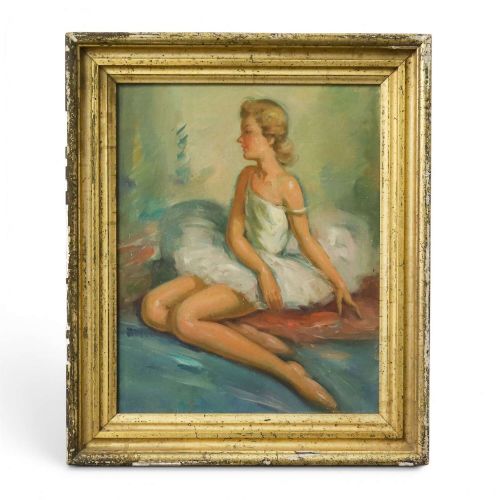
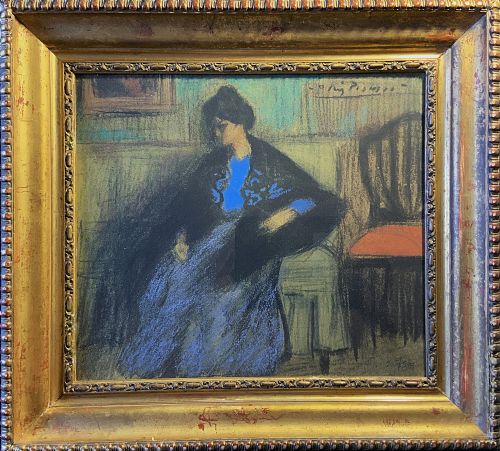

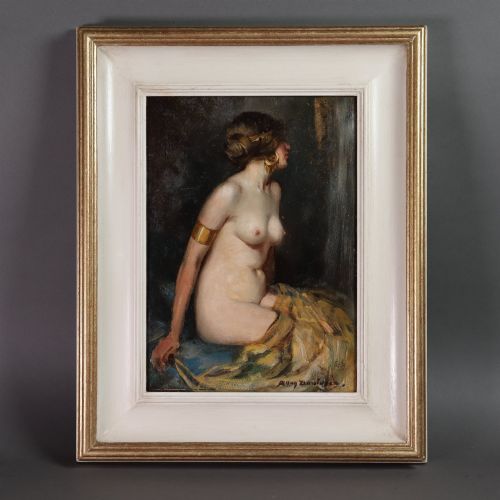


Antique Seated Portrait Art
Antique seated portrait art captures the physical presence of past lives through canvas, paper, and wood.
Antique Seated Portrait Art
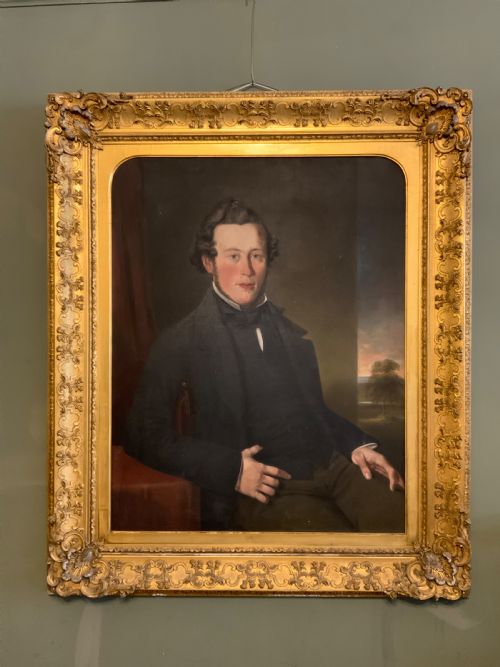
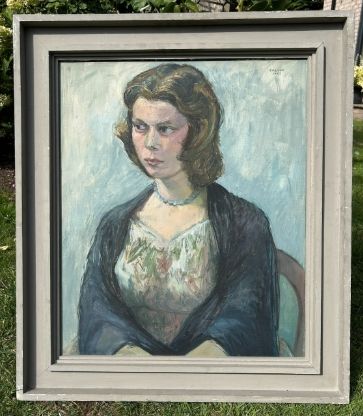
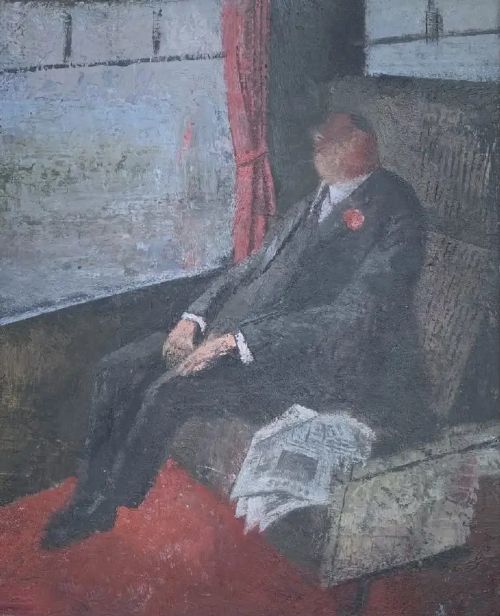
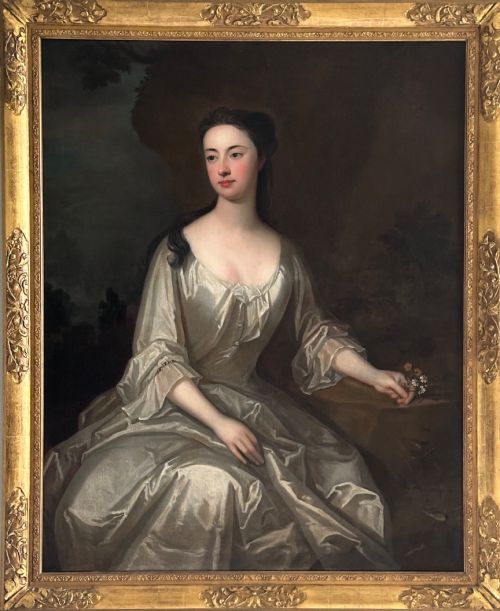
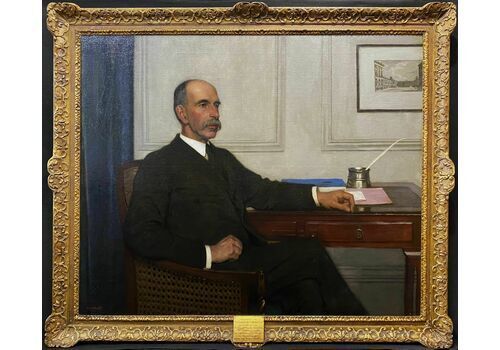
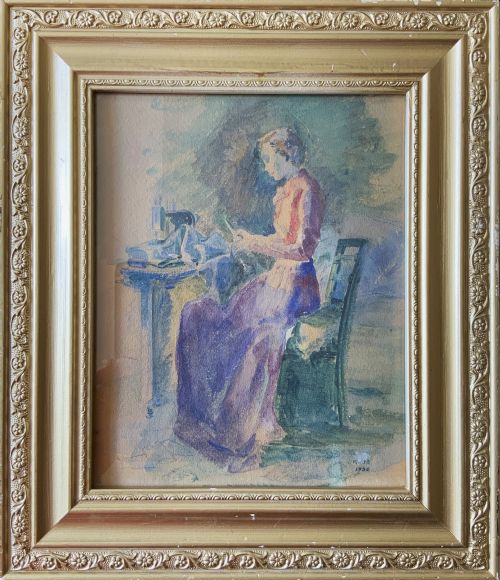
Antique seated portrait art encompasses oil paintings, pastels, watercolours, and drawings depicting individuals positioned at rest, at work, or within domestic landscapes. These works originate from various historical eras, stretching from the eighteenth century through the Regency and Victorian periods into the twentieth century.
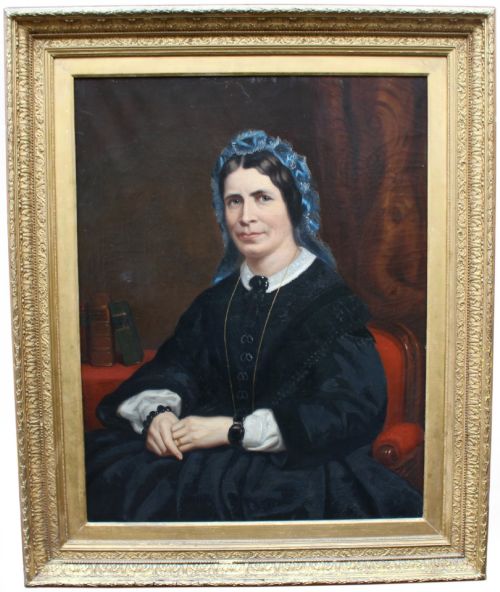
The most common examples encountered within this collection are nineteenth-century oil paintings on canvas, often housed in period gilt wood frames. Alongside these grand canvases, buyers regularly find smaller watercolours, pencil sketches, and pastel drawings depicting both notable figures and unidentified sitters.
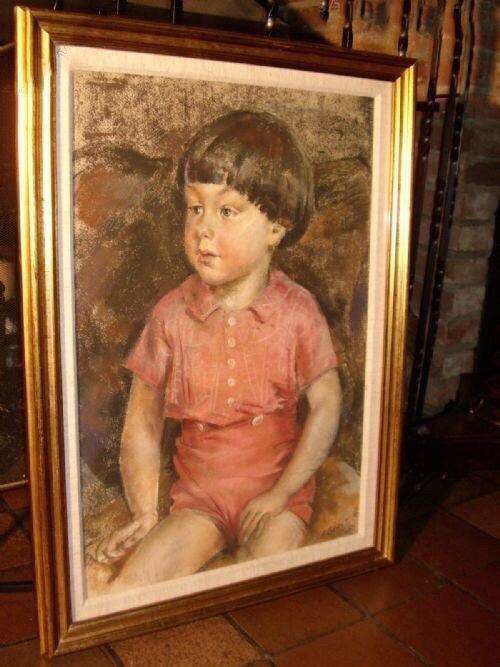
Subjects range from formal seated gentlemen in paneled interiors to young ladies in landscapes and children at tables. The compositions reflect the social codes, fashions, and artistic conventions of their respective decades.
Materials and Technique
Artists relied primarily on oil paint applied to stretched canvas or wooden boards, building up layers of pigment to render facial expressions, clothing, and surrounding furniture with precision. Many works also utilise pastel, gouache, graphite, and chalk on paper, capturing finer linear details through careful hand manipulation.
Frames form an integral part of the physical object, utilising carved wood and applied gesso finished with gilding. These frames often match the period of the artwork, providing structural support while enhancing the visual depth of the central composition.
Listings feature works executed in oil on canvas, pastel, gouache, pencil, and chalk across the eighteenth, nineteenth, and twentieth centuries.
Execution and Depth
The distinction between ordinary and exceptional works rests on the artist's ability to render anatomical accuracy, lighting, and psychological depth. Superior pieces display confident brushwork or precise pencil control that brings the sitter's expression and posture to life with immediacy.
Conservation history and the integrity of the original support material also influence the standing of a piece. Works retaining their untouched surfaces, original stretchers, and contemporary gilt wood frames demonstrate greater historical completeness.
Adriana Verelst·Harold Knight·J.A.Grant·Allan Douglas Davidson·John Raphael Smith·Noel Quintavalle·Arthur Spooner·William Owen·Henry William Pickersgill·Ramsay Richard Reinagle·James Archer·Gaston Bouy·Francis Alleyne·Cowan Dobson·Stephen Taylor·John Russell
The Antique Seated Portrait Art Glossary
- Oil on canvas
- A painting technique where pigments suspended in drying oil are applied to woven fabric stretched across a wooden frame. This method allows for rich colour blending and lasting durability.
- Pastel
- A medium consisting of powdered pigment combined with a binder and pressed into sticks for drawing. It creates velvety surfaces with intense, direct colour application.
- Gilt wood
- Timber decorated with a thin layer of gold leaf or powder applied over a prepared ground surface. It is frequently seen on nineteenth-century picture frames.
- Academic Realism
- A style of painting and sculpture produced under the influence of European academies of art. It emphasises accurate rendering, classical proportions, and detailed observation.
- Gouache
- A water-based paint consisting of pigment and other inert materials designed to be opaque. It dries to a matte finish and provides solid, flat areas of colour.
Antique Seated Portrait Art: Frequently Asked Questions
What periods do these portraits cover?
The works span multiple centuries, beginning in the eighteenth century and moving through the Regency, Victorian, and Edwardian eras into the mid-twentieth century.
Each period brings distinct clothing styles, painting techniques, and framing traditions that help identify the date of creation.
How should I display antique portrait art?
These pieces require stable indoor environments away from direct sunlight and excessive humidity to protect the canvas, paper, and wooden frames.
Sturdy picture hooks secured to wall studs support the weight of heavy gilt wood frames safely.
Are all the sitters identified?
Many sitters remain anonymous, recorded simply as gentlemen, ladies, or children in contemporary records, while others depict specific historical figures, writers, or geologists.
Inscribed names on the reverse or accompanying documentation sometimes reveal the exact identity of the person portrayed.
What media were used besides oil paint?
Artists frequently employed pastel, gouache, watercolour, graphite, chalk, and pencil on paper or board.
Silhouettes cut from paper and mounted on contrasting backgrounds also appear within the selection.