





Antique Sea Vessel Painting
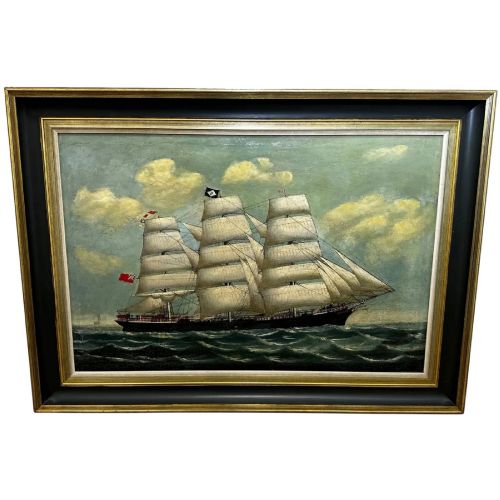
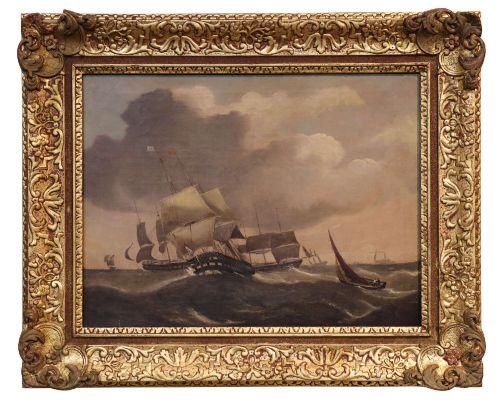
An antique sea vessel painting captures the movement of ships across open water, bringing nineteenth-century maritime history directly into domestic rooms.
Antique Sea Vessel Painting
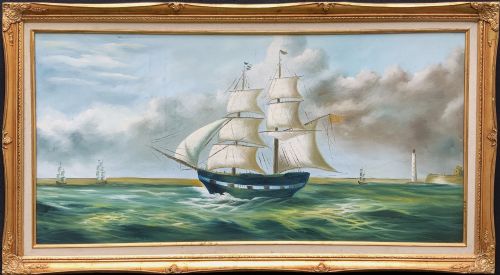
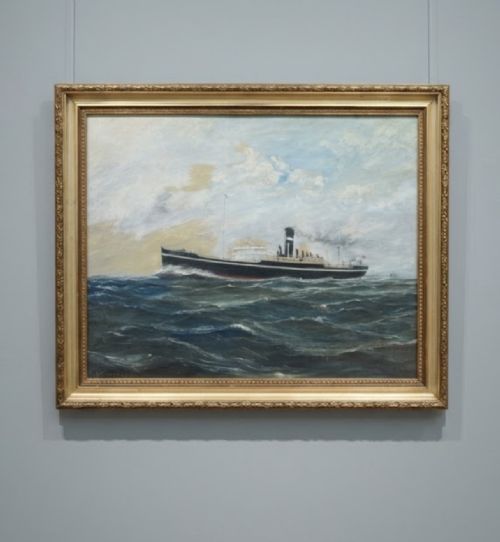
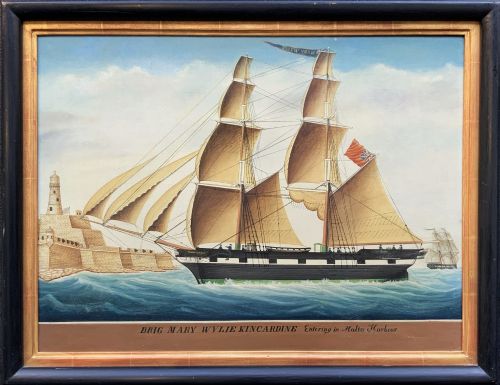
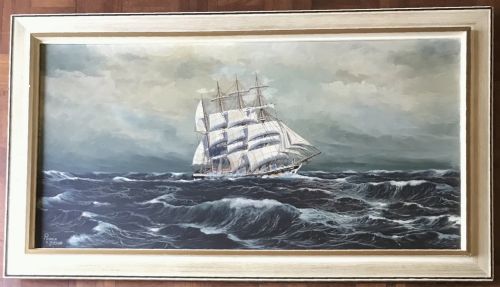
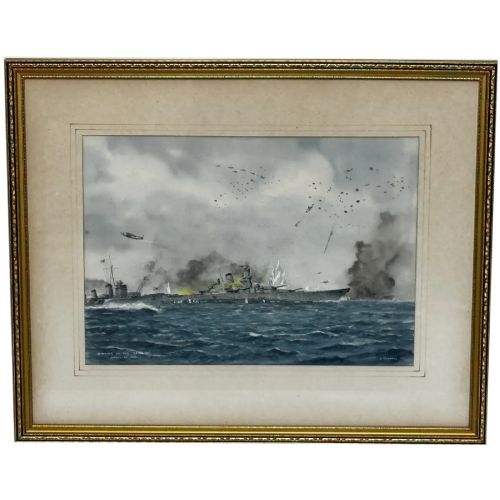
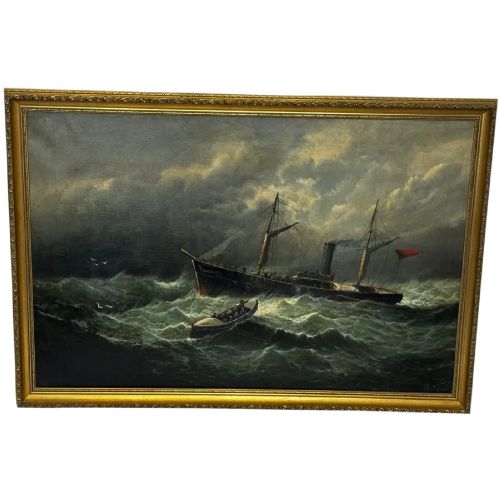
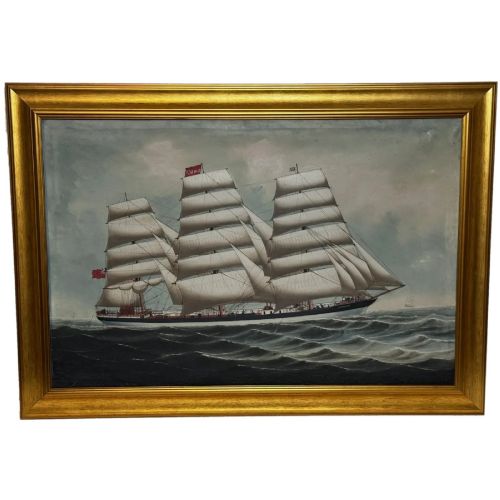
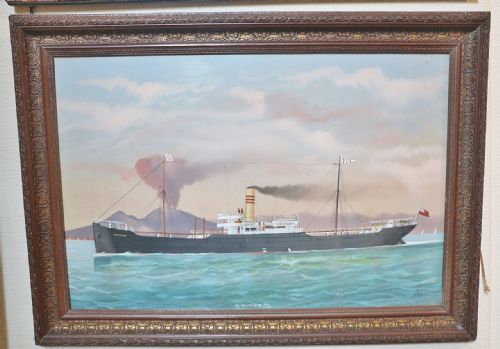
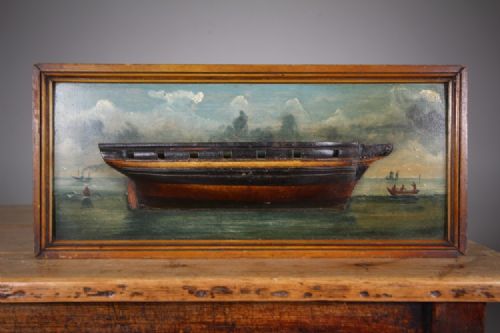
An antique sea vessel painting portrays marine subjects ranging from nineteenth-century merchant ships and clippers to steamships operating in choppy coastal waters. Buyers seeking an antique sea vessel painting encounter oils on canvas and watercolours framed in wood or gilt, alongside cased dioramas and folk art ship models.
The selection here draws heavily from Victorian and Edwardian maritime traditions, produced by artists documenting specific vessels, squalls, and pierhead scenes. These works vary from detailed portraits of named barques to atmospheric night seascapes and dramatic gale encounters.
How They Were Made
Artists applied oil paint or watercolour onto prepared canvas, paper, or card, often mounting works within wooden and giltwood frames. Many pieces rely on layered oil pigments to capture the dark tones of rough seas, white crests of foam, and the rigging of tall-masted ships.
Folk art examples utilise carved wood, glass, and canvas to construct three-dimensional dioramas and scratch-built models housed in glazed wooden cases.
Antique Sea Vessel Painting Retail Price Guide 2026
Typical asking prices for sea vessel painting among the pieces listed under this phrase on Sellingantiques today, from the lower quarter to the upper quarter. They describe what is for sale here now, not the wider market.
Nineteenth-century sailors whittled tiny wooden spars during lulls at sea, enclosing entire sailing ships inside glass bottles.
What Varies in Quality
Quality rests upon the artist's command of perspective, water movement, and maritime architecture, separating stiff vessel renderings from dynamic compositions with convincing wave action. Hand-painted ship portraits with documented historical identities and signed attribution hold greater artistic weight than anonymous decorative copies.
The handling of light on sails and the treatment of turbulent water distinguish accomplished marine artists from standard regional painters. Original framing and undisturbed canvas surfaces contribute significantly to the integrity of surviving pieces.
Reginald Arthur Borstel·William Broome·Bernard Gribble·Bonaventura Peeters·Bernard Benedict Hemy·Lai Fong·William Frederick Settle·Daniel Sherrin·George Shaw·Ah Hee Studio·George Gregory·Ebeneezer Colls·Charles Dixon·Gustave de Breanski·Joseph Heard·John Davison Liddell·WF Mitchell·Samuel John Milton Brown
The Antique Sea Vessel Painting Glossary
- Pierhead painting
- A specialised genre of marine art depicting commercial ships near port, often commissioned by captains or owners to record a specific vessel. These works typically show the ship under full sail close to a recognised lighthouse or headland.
- Barque
- A sailing vessel with three or more masts having the fore and main masts square-rigged and the mizzenmast fore-and-aft rigged. This rig appeared frequently in nineteenth-century commercial shipping.
- Diorama
- A three-dimensional display utilising painted backgrounds and miniature carved or modelled vessels enclosed within a glass-fronted wooden case. Maritime examples often recreate naval engagements or sailing races.
- Giltwood
- Wood carved and coated with gold leaf or metallic gilt gesso to form decorative picture frames. It is characteristic of nineteenth-century presentation frames for fine art.
- Seascape
- A painting depicting the sea, coastal views, or marine vessels in various weather conditions. The term encompasses both calm coastal harbours and stormy open-water scenes.
Antique Sea Vessel Painting: Frequently Asked Questions
What is a pierhead painting?
A pierhead painting is a specific type of ship portrait commissioned to record a merchant vessel or barque arriving at or leaving port. These works frequently include identifiable landmarks like lighthouses to anchor the ship in a real location.
Captains and shipping lines often ordered these pictures to celebrate successful voyages or document new additions to a fleet.
How do I identify a ship in a painting?
Artists often inscribed the vessel's name on the canvas, within the foreground waves, or on the original frame plaque. Signal flags flying from the masts also offered contemporary viewers the ship's registration identity.
Archival records of shipping lines, registries, and port arrivals help match painted hulls and riggings to historical vessels.
Are maritime dioramas considered paintings?
Maritime dioramas combine painted canvas backgrounds with carved wooden ship models to create three-dimensional scenes. While distinct from flat oil paintings, they share the same nineteenth-century folk art and maritime traditions.
Enclosed in glazed wooden cases, these pieces were often constructed by sailors during long voyages.
Where should I hang a marine painting?
Marine works suit rooms with traditional decor, particularly studies, libraries, or spaces with natural wood finishes. Protecting the canvas or watercolour from direct sunlight preserves the original pigments and gilt frames.
Pairing pictures with complementary objects like barometers or maritime instruments enhances a traditional interior display.