






Antique Sculptural Art
These pieces of antique sculptural art bring three-dimensional form into daily interiors, merging functional objects with expressive casting and carving.
Antique Sculptural Art
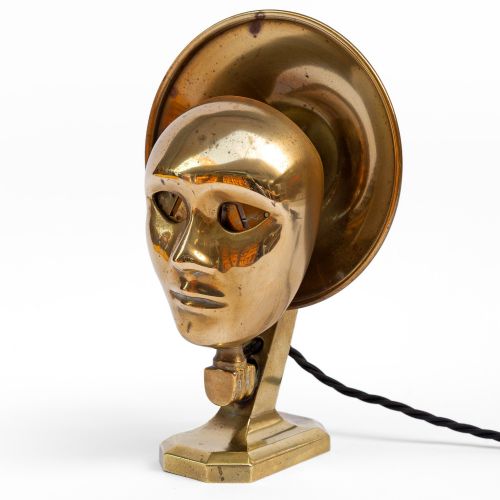
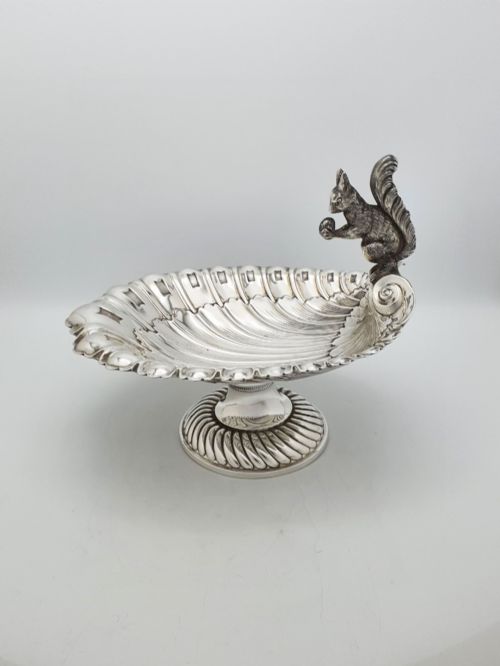
When buyers search for antique sculptural art, they encounter items where utility meets figurative and abstract design, spanning functional objects like lamps, clocks, and tables that double as display pieces. The selections on this page draw heavily from the early twentieth century, particularly the Art Deco and Art Nouveau movements, alongside nineteenth-century works and vernacular items.
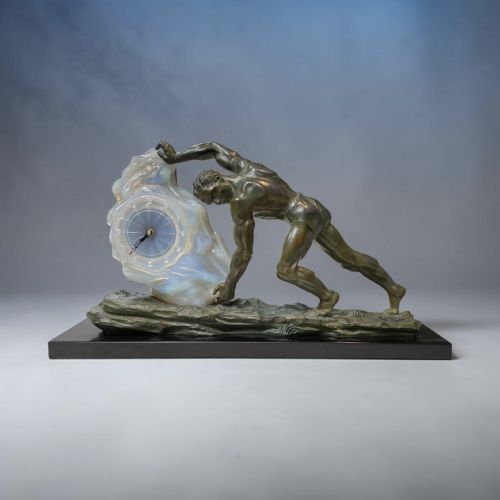
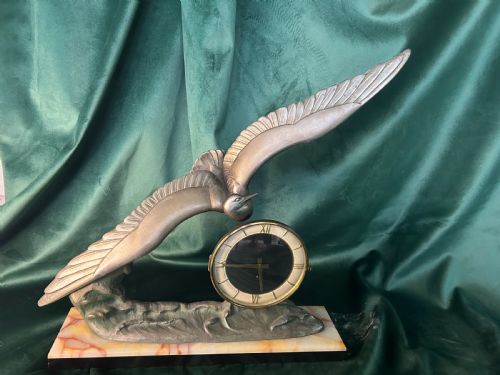
Clocks and small decorative objects round out the selection, often incorporating cast metal figures or classical motifs into mantle pieces. These items originate from British, French, and wider continental traditions, reflecting the diverse manufacturing centres of the nineteenth and twentieth centuries.
How they were made
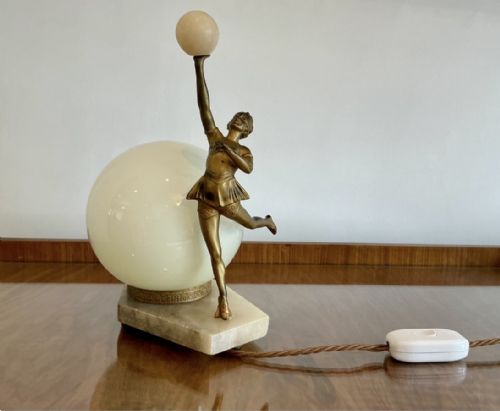
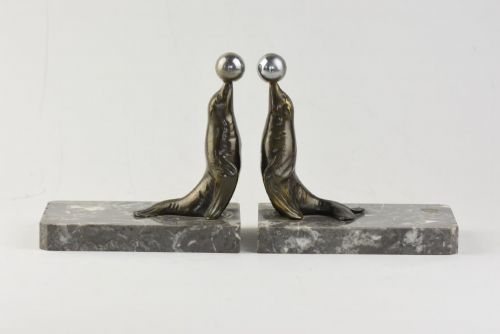
Makers utilised casting techniques for metal components, employing bronze and spelter to achieve intricate details in figures and lamp bases. Marble and alabaster frequently provided stable, contrasting plinths for these metal sculptures, adding weight and tonal variation.
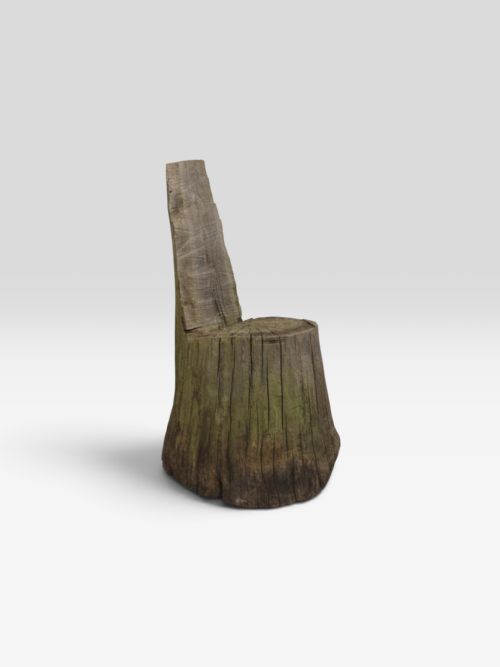
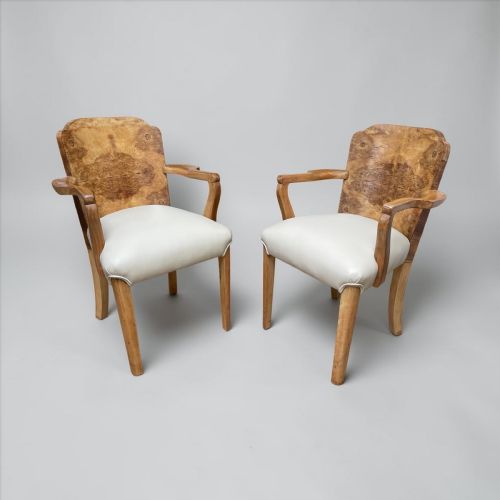
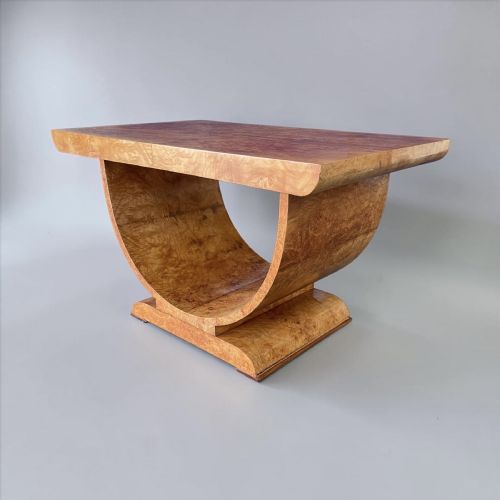
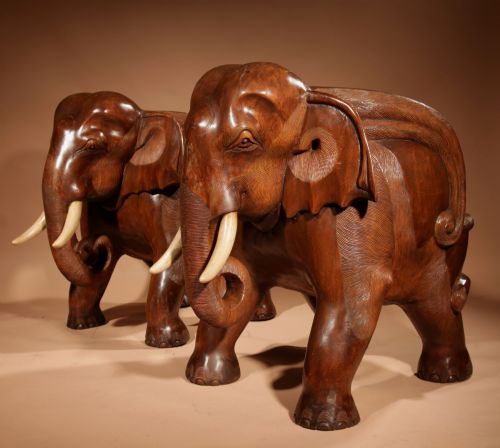
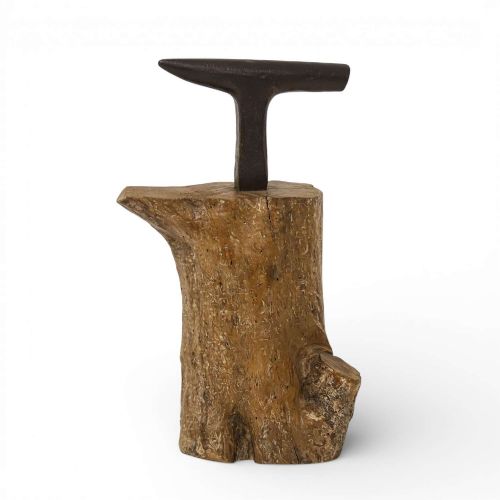
Woodworking played a central role in the furniture and smaller items, incorporating timber species such as fruitwood, burr maple, ebony, and walnut through carving and joinery. Hand-carving and painted finishes further defined items like solid wood armchairs and vernacular pieces.
Antique Sculptural Art Retail Price Guide 2026
Typical asking prices for sculptural art among the pieces listed under this phrase on Sellingantiques today, from the lower quarter to the upper quarter. They describe what is for sale here now, not the wider market.
Listings feature lighting and clocks spanning the Edwardian period through the 1930s Art Deco era.
What varies in quality
Material selection creates a distinct hierarchy among these objects, separating dense hardwoods and genuine bronze from softer metals and plaster casts. The integration of functional elements, such as clock movements or lighting wiring, with sculptural housings also distinguishes workshop standards.
L & F Moreau·Anton Rosen·Ivan Zaiec·Ferdinand Priess·P.Sega·Francois Moreau
The Antique Sculptural Art Glossary
- Spelter
- A zinc alloy commonly utilised as a less expensive alternative to bronze for nineteenth and twentieth-century figures and lamp bases. It takes patination well to simulate heavier metals.
- Art Deco
- A design style emerging in the 1920s and 1930s characterised by streamlined geometric forms, stylised figures, and modern materials. It heavily influences the lamps and clocks found in this category.
- Art Nouveau
- An international style prominent around 1900 inspired by natural forms, curving plant stems, and flowing human silhouettes. This aesthetic defines many of the figural lamps and mantle clocks listed here.
- Verdigris
- A green patina that forms naturally on copper, brass, or bronze through atmospheric oxidation. It highlights the age and historical exposure of outdoor or older metal sculptures.
Antique Sculptural Art: Frequently Asked Questions
What is sculptural art?
Sculptural art in this context refers to decorative objects, lighting, and furniture that incorporate distinct three-dimensional figures or artistic carvings into their primary design.
These pieces combine practical utility with expressive form, turning everyday items like clocks and lamps into focal points for a room.
Where were these items made?
The pieces originate from various European and international workshops, with a strong representation of French foundry work and British craftsmanship.
Continental makers often signed their cast metal figures and clock housings, leaving direct evidence of their origin on the base or dial.
How do I care for bronze and spelter?
Both bronze and spelter require gentle dusting with a dry, soft cloth to prevent the accumulation of dirt on detailed castings.
Avoid using harsh chemical polishes, as these can strip away the historical patination that defines the surface character of antique metalwork.