

Antique Scrub Top
An antique scrub top table brings hard-wearing utility and honest kitchen character into a modern interior.
Antique Scrub Top
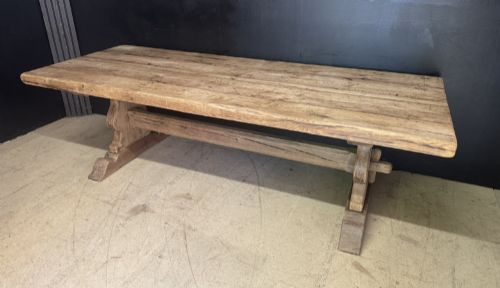
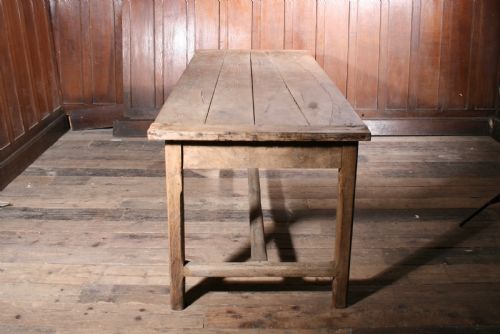
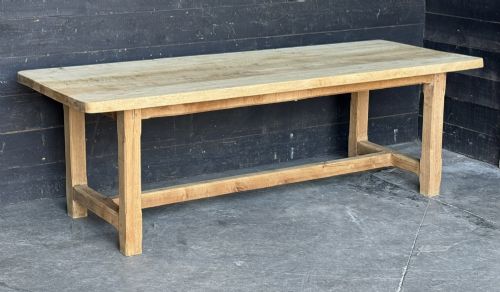
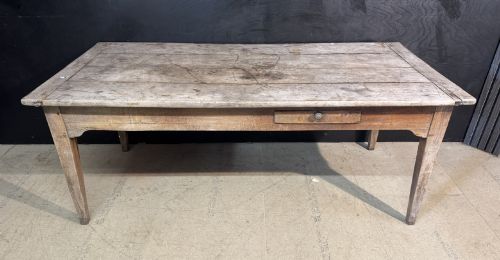
An antique scrub top is a utilitarian wooden work table historically used in dairies, pantries, and farmhouses for food preparation and heavy kitchen tasks. The defining feature is the unpainted, bare wood top designed to be vigorously scrubbed clean with water and sand or lye, contrasted with a painted or finished wooden base.
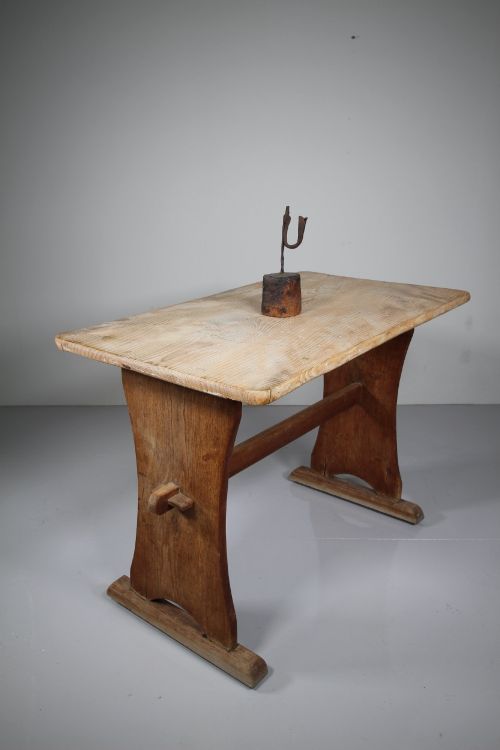
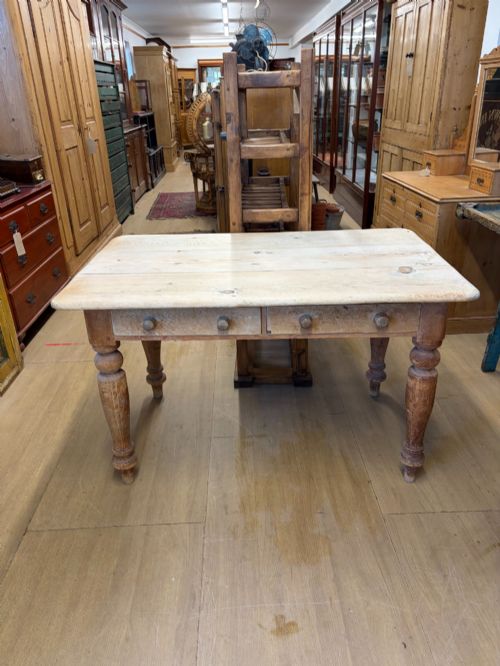
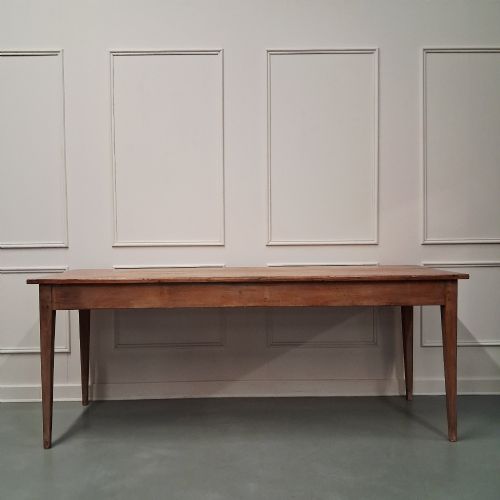
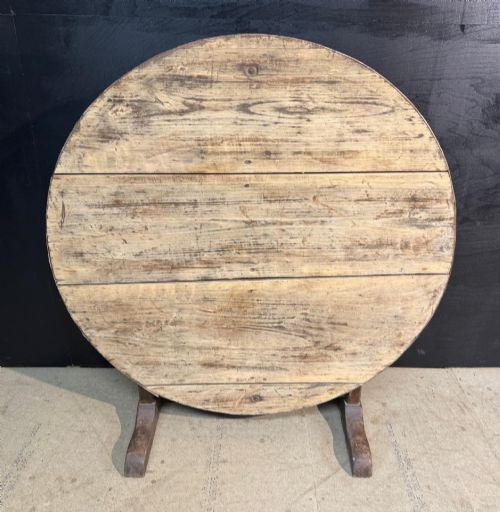
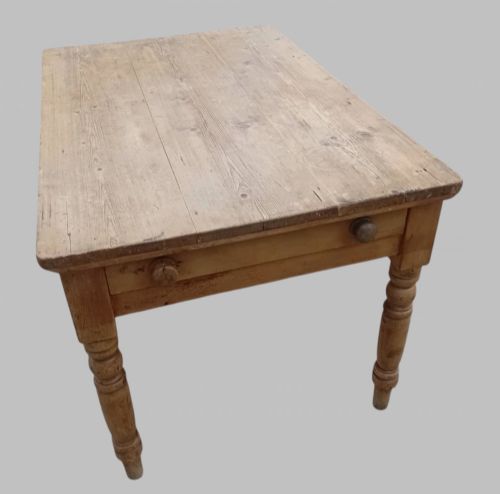
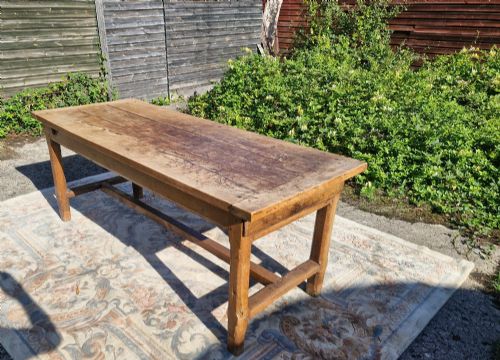
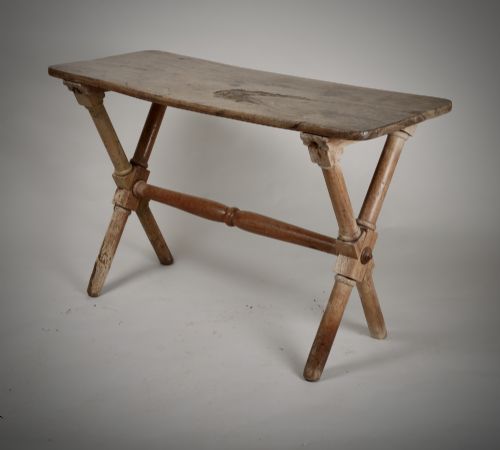
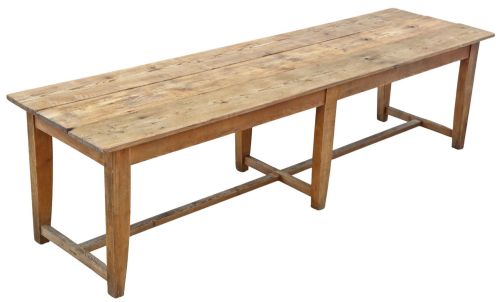
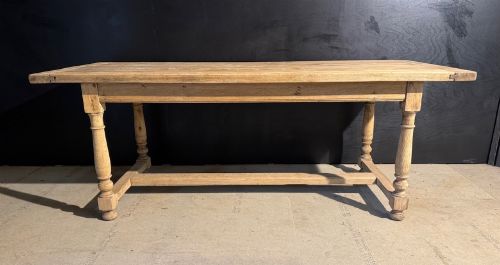
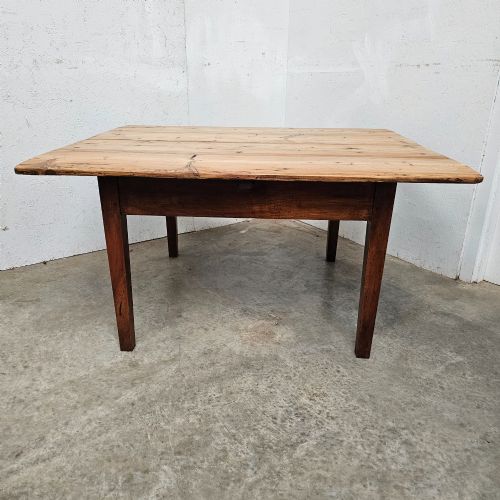
The examples found on this page span the 18th, 19th, and early 20th centuries, originating from English, French, Welsh, and Scandinavian workshops. They appear primarily as dining tables, kitchen tables, prep tables, and occasional tables, often incorporating functional drawers or trestle and tavern forms.
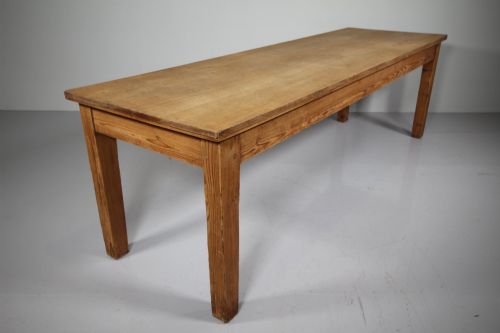
Buyers seeking this form want a substantial surface with visible signs of past domestic labour. The typical piece combines a pale, scrubbed softwood top with darker or painted hardwood or pine legs, reflecting decades of practical use in domestic spaces.
How they were made
Construction relies heavily on durable domestic timbers such as pine, oak, sycamore, and fruitwood, selected for strength and availability. Tops are frequently fashioned from thick planks joined together to withstand daily scrubbing and heavy handling.
Bases are constructed using traditional joinery and finished with original or later layers of paint, including traditional red, or left as bare timber. Brass hardware occasionally appears on drawers, while structural joints rely on sturdy pegging and framing suited to heavy domestic work.
Antique Scrub Top Retail Price Guide 2026
Typical asking prices for scrub top among the pieces listed under this phrase on Sellingantiques today, from the lower quarter to the upper quarter. They describe what is for sale here now, not the wider market.
The inventory includes regional forms such as French provincial tables, Welsh tavern tables, and Scandinavian painted side pieces.
What varies in quality
Quality rests in the integrity of the original proportions and the honesty of the surface patination. A superior example retains its balanced domestic scale and untouched timber grain, where years of cleaning have softened the edges without compromising the structural timber.
The relationship between the scrubbed top and the base dictates the overall character. Pieces that maintain their original painted lower frames or untouched fruitwood and sycamore elements demonstrate greater integrity than those with mismatched components or heavy modern alterations.
The Antique Scrub Top Glossary
- Scrub top
- A bare wooden tabletop designed to withstand repeated scrubbing with water and abrasive cleaners. This surface treatment leaves the grain raised and pale.
- Prep table
- A utilitarian wooden table utilised for food preparation in kitchens and pantries before fitted cabinetry became common. These tables often feature deep drawers for implements.
- Tavern table
- A sturdy, compact wooden table traditionally used in public houses and domestic settings. They frequently feature strong stretchers and simple timber construction.
- Dairy table
- A specialised work table used in dairy production for processing milk and cheese. These tables often utilised scrubbed softwood tops to maintain hygiene.
- Patina
- The surface sheen and coloration developed through age, wear, and cleaning. It represents the historical use and care of the wooden object.
Antique Scrub Top: Frequently Asked Questions
What is an antique scrub top?
An antique scrub top is a historic wooden table featuring a bare top designed to be scoured clean after food preparation. These pieces originate mainly from 19th-century farmhouses and dairies.
The unpainted wooden surface contrasts with the painted or stained lower frame, providing a durable work area that now serves as a functional kitchen or dining table.
How do I clean a scrub top?
Cleaning requires simple warm water and mild soap applied with a stiff brush moving with the grain of the wood. Avoid harsh chemical sealants to preserve the historic dry finish.
Allow the timber to dry naturally after washing to maintain the pale, weathered appearance characteristic of working antique tables.
Were these tables originally painted?
The tabletops were deliberately left raw and unsealed so they could be scrubbed with abrasive materials. Lower bases, however, were frequently finished with paint or simple clear coatings.
Many surviving examples retain remnants of original paint on their legs and aprons, ranging from early red pigments to later decorative layers.
How do I date an antique table?
Dating relies on examining construction methods, timber selection, and tool marks visible beneath the frame. Hand-sawn boards and pegged joinery typically point to earlier 18th and 19th-century origins.
The presence of original paint layers and specific regional forms, such as Welsh cricket tables or French provincial prep tables, also helps narrow the period.