

Antique Scrub Table
An antique scrub table offers honest utility and tactile warmth, bringing hard-earned domestic history straight into modern daily life.
Antique Scrub Table
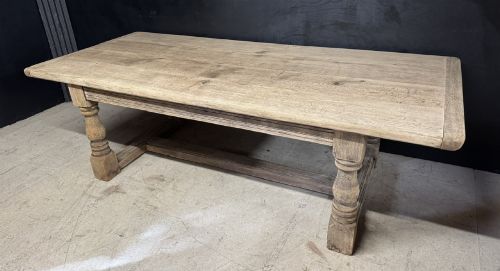
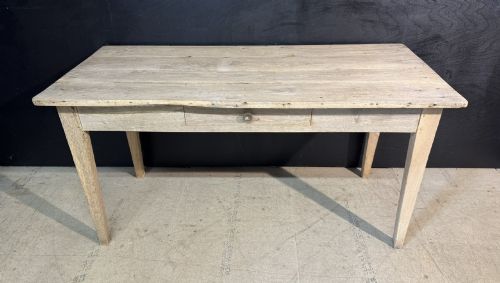
An antique scrub table serves primarily as a utilitarian workspace or dining surface rooted in domestic history. Buyers hunting for an antique scrub table frequently encounter sturdy timber forms designed for rigorous daily use in kitchens, dairies, and sculleries.
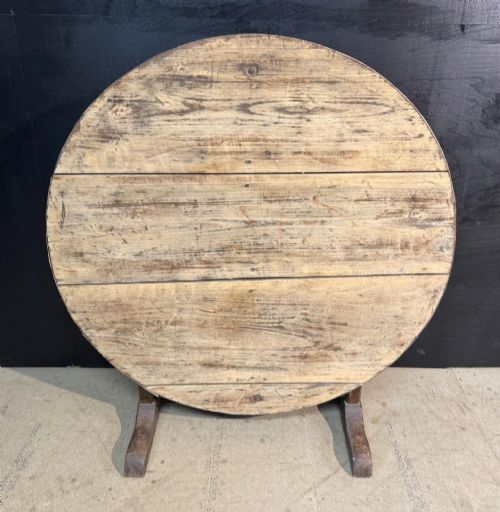
The selections span several eras, predominantly featuring pieces from the nineteenth century alongside early twentieth-century examples. Common regional styles range from English country house prep tables and Welsh tavern pieces to French Normandy designs and Scandinavian rustic variants.
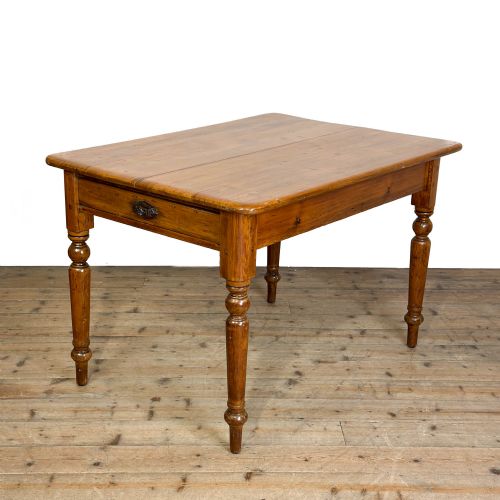
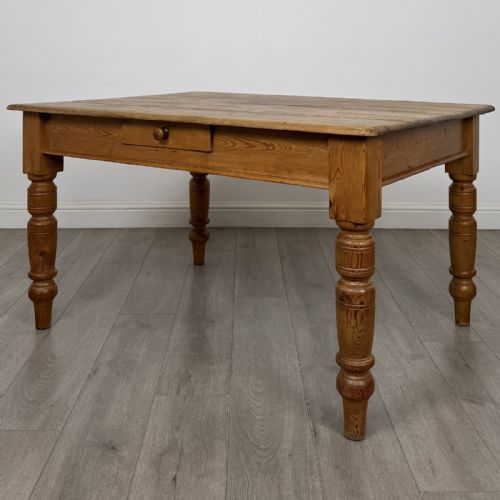
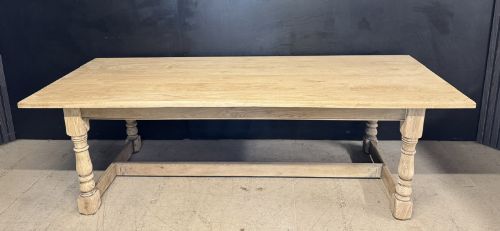
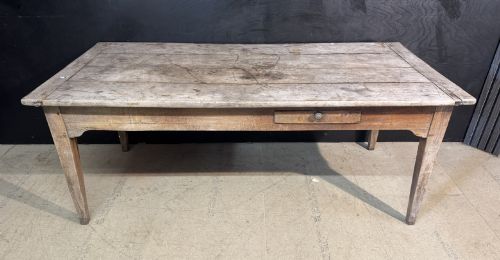
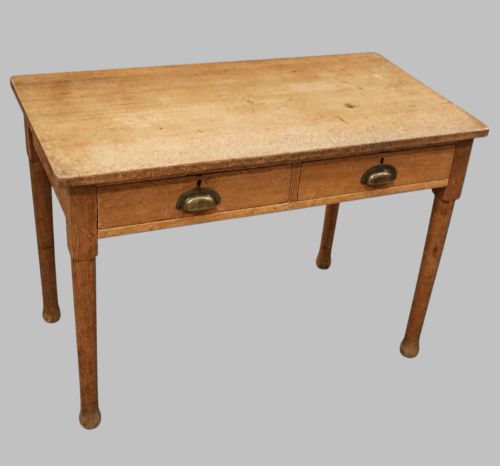
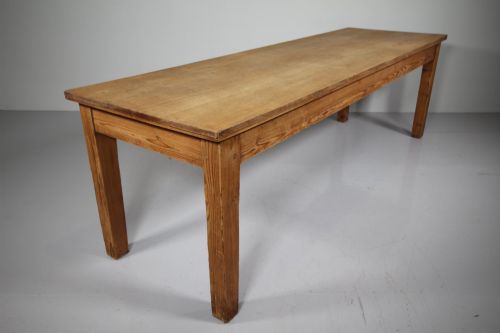
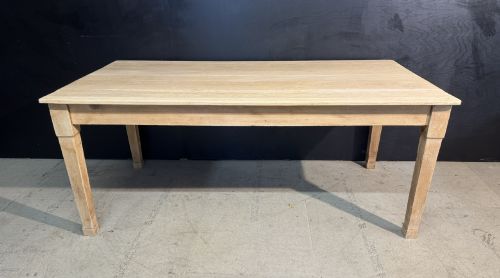
Forms vary from large dining tables and kitchen workstations to smaller side tables, tavern tables, and potters' benches. Many items incorporate practical additions such as drawers for utensils or lower shelves for storage.
Materials and Construction
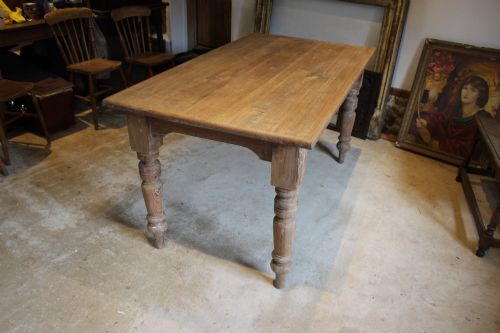
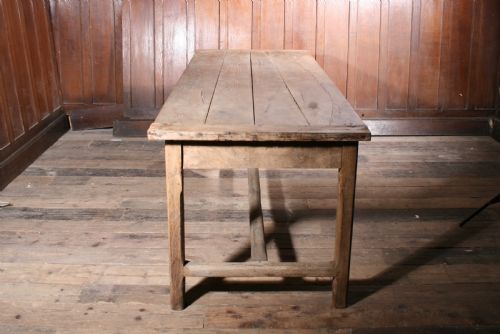
Construction relies heavily on durable domestic timbers like pine, oak, and fruitwood, selected for their strength and resilience. Surfaces are frequently designed to withstand repeated scouring and scrubbing with water and stone, leaving the wood grain exposed and weathered.
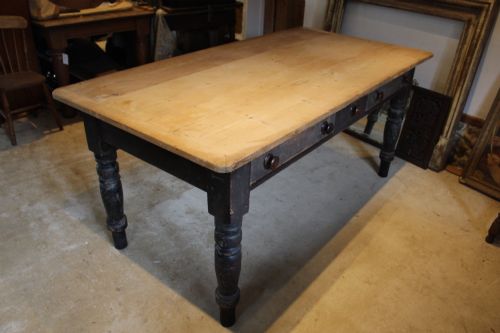
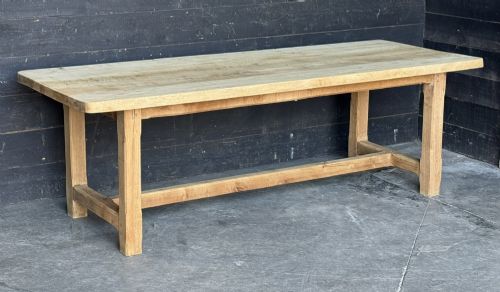
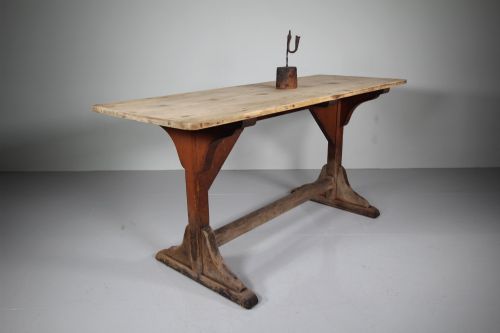
Structural framing often utilises robust joinery methods paired with supportive stretchers or trestles to bear heavy loads. Selected examples incorporate applied paint finishes on the bases, contrasting with the pale, scrubbed wooden tops characteristic of the form.
Antique Scrub Table Retail Price Guide 2026
Typical asking prices for scrub table among the pieces listed under this phrase on Sellingantiques today, from the lower quarter to the upper quarter. They describe what is for sale here now, not the wider market.
Listings feature items built from pine, oak, and fruitwood, spanning the Georgian, Victorian, and early twentieth-century periods.
Assessing Quality and Character
Quality rests in the integrity of the timber, the proportional balance of the base, and the depth of natural patination accumulated through decades of use. Superior examples display honest signs of age on the scrubbing top without compromising the overall structural stability.
Subtle details such as dovetail joints in drawers, original painted elements on the legs, and well-proportioned turned or tapered supports elevate certain pieces above standard utilitarian output. The harmony between the scrubbed top and the supporting frame ultimately defines the visual standing of the table.
The Antique Scrub Table Glossary
- Scrub top
- A wooden table top designed to be vigorously scrubbed clean with water and sand or stone. This process leaves the surface pale, smooth, and deeply textured by the grain.
- Scullery table
- A heavy utilitarian table used in the back areas of large houses for messy kitchen prep work. These pieces are built strictly for hard labour.
- Dairy table
- A specialised table designed for milk processing and cheese making, often constructed with slatted lower shelves to aid air circulation. They frequently feature scrubbed softwood tops.
- Tavarn table
- A robust drinking or gathering table typically found in public houses and inns. They offer exceptional stability and generous legroom.
- Refectory table
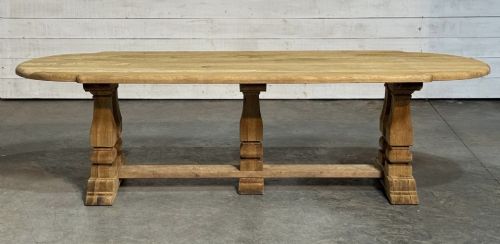
- A long, narrow dining table originally built for monastic dining halls. These scaled-down domestic versions provide substantial seating capacity.
- Potting table
- A functional garden table designed for planting and propagation. They frequently include lower shelving for pots and tools.
Antique Scrub Table: Frequently Asked Questions
What is an antique scrub table?
An antique scrub table is a utilitarian work surface historically used in kitchens, dairies, and sculleries for food preparation and cleaning.
These pieces are defined by their unvarnished wooden tops, which were scrubbed clean with water and abrasive materials, creating a distinct pale and weathered finish.
How were these tables used originally?
They served as central hubs for domestic labour, accommodating tasks from kneading bread and butchering meat to sorting produce and washing dishes.
Because they were built for heavy work, their construction prioritises unyielding strength over delicate decoration.
How do I care for a scrub top?
Maintenance involves gentle cleaning with mild soap and water, avoiding harsh modern chemicals that can strip the historic dry finish of the wood.
Allowing the wood to breathe preserves the tactile texture and authentic patina developed over centuries of use.
Can I use one as a dining table?
They make excellent dining or kitchen tables due to their generous proportions, sturdy frames, and welcoming rustic character.
Their robust nature means they easily handle the demands of modern family meals and gatherings.