



Antique Scroll Back Sofa
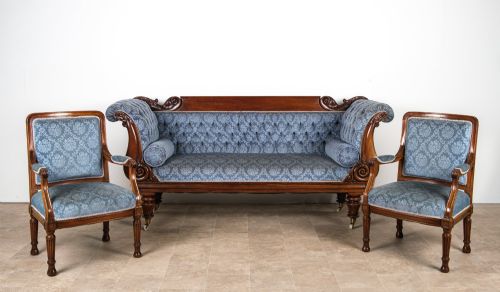
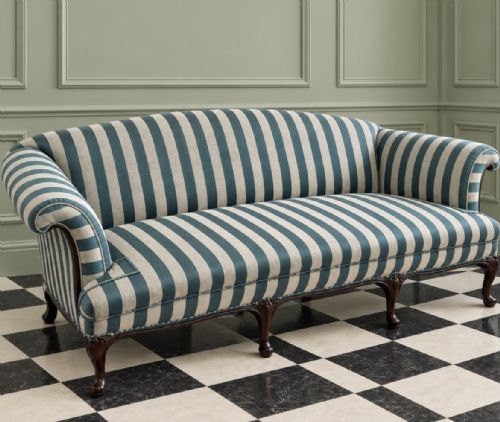
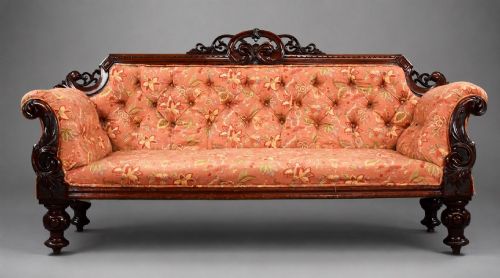
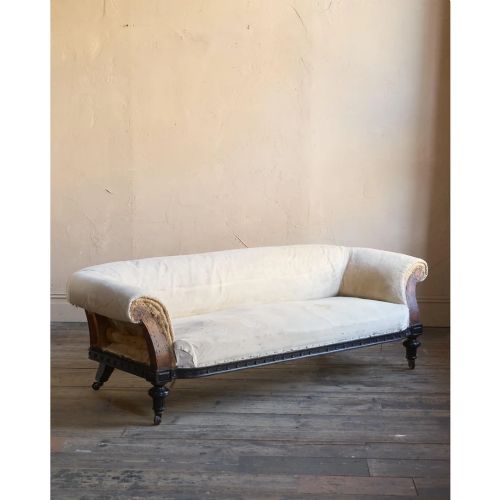
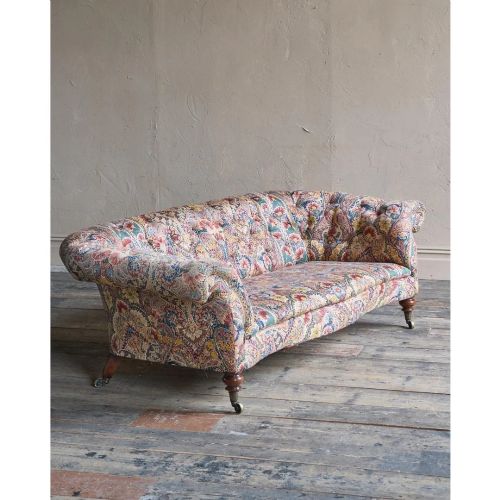
An antique scroll back sofa brings deep nineteenth-century comfort and stately mahogany or rosewood frames to a drawing room.
Antique Scroll Back Sofa
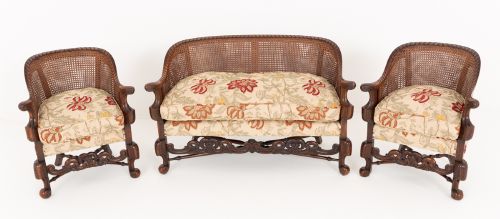
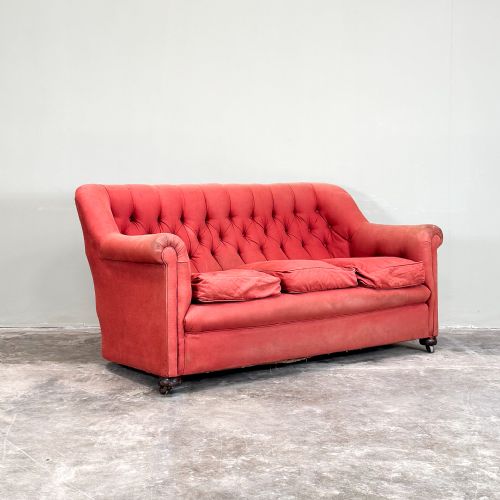
An antique scroll back sofa provides deep, generous seating shaped by nineteenth-century tastes for parlour and library comfort. Pieces matching this search phrase encompass styles from Regency frames through Victorian daybeds and deep-seated country house sofas.
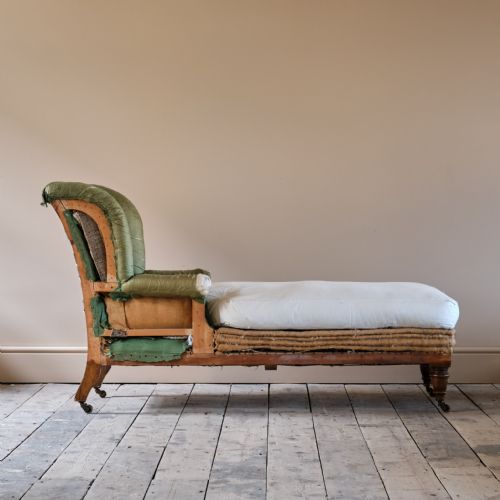
The versions most frequently met on this page span the Victorian era and the broader nineteenth century, often appearing alongside related seating like chaise longues, daybeds, and salon settees. Makers such as Howard and Sons and Holland & Sons shaped these forms using mahogany, walnut, and rosewood.
Meticulous upholstery and carved wooden supports define the construction, reflecting periods ranging from George II revival to Aesthetic Movement and Carolean styles. Buyers encounter everything from compact ebonised frames to sprawling library suites designed for grand interiors.
How they were made
Solid hardwoods like mahogany, walnut, and rosewood form the structural framework, often shaped with hand-carved details and supported by turned legs fitted with brass castors. Ebonised finishes and exposed timber mouldings provide contrast against rich upholstery fabrics.
Traditional stuffing and upholstery techniques secure heavy fabrics, velvet, and cotton over sprung or webbed bases to create the characteristic deep seat. Frames incorporate classical revival motifs drawn from Regency, Carolean, and George II styles.
Antique Scroll Back Sofa Retail Price Guide 2026
Typical asking prices for scroll back sofa among the pieces listed under this phrase on Sellingantiques today, from the lower quarter to the upper quarter. They describe what is for sale here now, not the wider market.
Materials span solid mahogany, walnut, rosewood, and ebonised timber paired with velvet, cotton, and traditional upholstery.
What varies in quality
The refinement of the timber carving and the integrity of the underlying frame separate standard production from exceptional workshop output. Pieces attributed to distinguished makers or bearing maker's stamps display superior joinery and more ambitious proportions.
Originality of components, including turned legs, brass hardware, and secondary woods, dictates the historical standing of each piece. The subtlety of the scroll work and the harmony of the Revival styling reveal the maker's original ambition.
Howard and Sons·Holland & Sons·Miles & Edwards
The Antique Scroll Back Sofa Glossary
- Scroll back
- A seating design featuring an outward-curving wooden or upholstered top rail that rolls back towards the user. This flowing contour defines many nineteenth-century daybeds and library sofas.
- Chesterfield
- A deep-buttoned upholstered sofa with arms and back of equal height. These pieces often feature generous proportions suited to country house interiors.
- Chaise longue
- An elongated upholstered chair designed for reclining, combining elements of a sofa and a single bed. Nineteenth-century examples frequently exhibit carved rosewood or mahogany frames.
- Castor
- A small wheel fitted to the base of furniture legs to ease movement across floors. Brass examples frequently appear on Victorian and Regency daybeds.
- Ebonised
- Wood treated with a dark stain or finish to imitate ebony. This technique gained popularity during the Victorian era for accentuating fine carved details.
Antique Scroll Back Sofa: Frequently Asked Questions
How do I date an antique scroll back sofa?
Examination of the timber, secondary woods, and upholstery framing reveals the manufacturing period. Stylistic cues such as Regency curves or Victorian turned legs help narrow the decade.
Maker's marks or stamps on the frame or castors provide definitive attribution to workshops active during the nineteenth century.
Where should I place a scroll back sofa?
These pieces suit principal reception rooms, libraries, or spacious hallways where their sculptural profiles remain visible from all angles. Daybeds and chaise longues work particularly well positioned parallel to windows or fireplaces.
Sufficient floor space allows the swept arms and carved wooden legs to function as focal points in the interior.
Are these sofas comfortable for daily use?
Nineteenth-century designs prioritize deep seating and supportive sprung bases intended for long periods of rest or reading. The generous proportions accommodate modern sitting habits while maintaining historical form.
Upholstery condition varies, so buyers often assess the internal webbing and padding to ensure everyday comfort.