








Antique Scrimshaw
Antique scrimshaw brings maritime and folk history into your hands through intricately carved bone, whalebone, horn, and antler items.
Antique Scrimshaw
When you search for antique scrimshaw, you encounter a specialised group of utilitarian and decorative objects originating primarily from maritime contexts, folk traditions, and prisoner of war camps. The items on this page span the eighteenth, nineteenth, and early twentieth centuries, reflecting diverse cultural origins including English, Georgian, and Inuit tribal art forms.
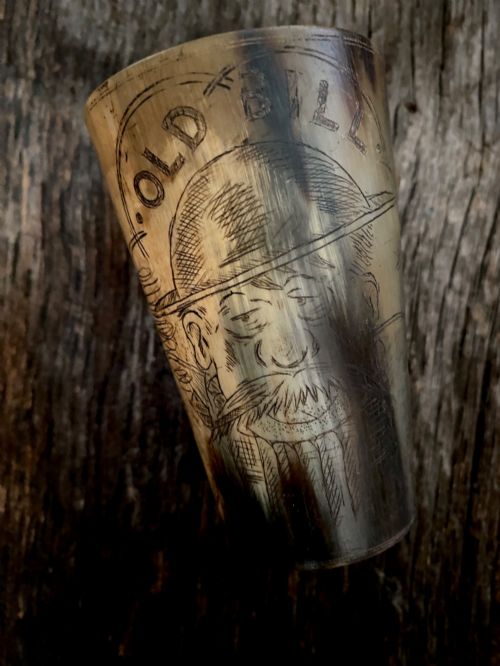
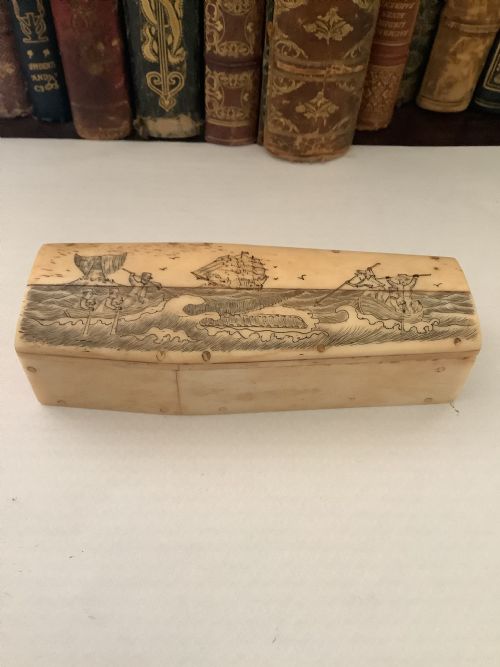
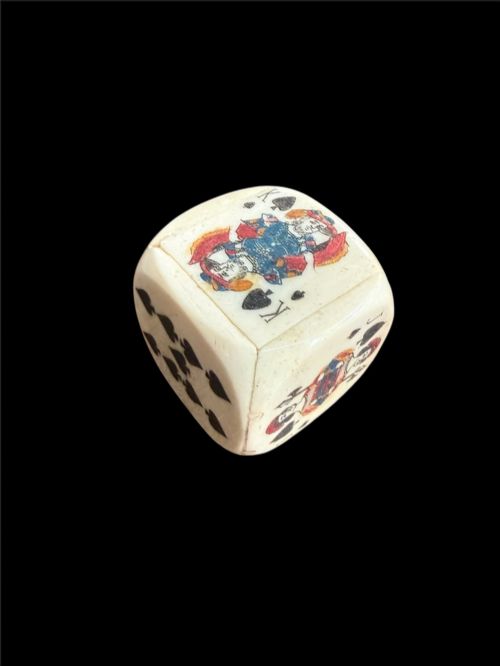
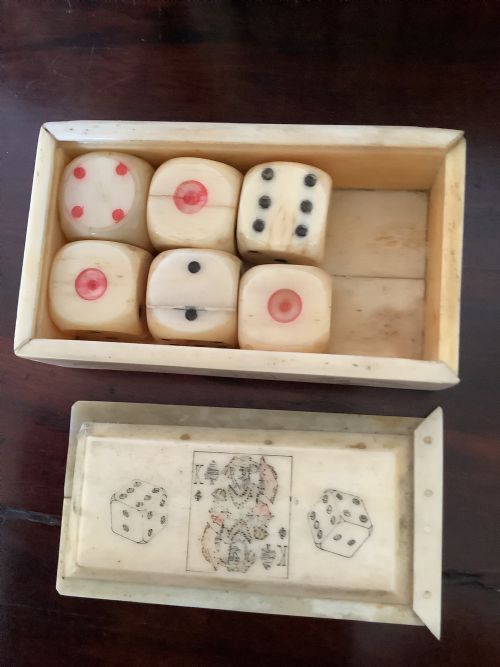
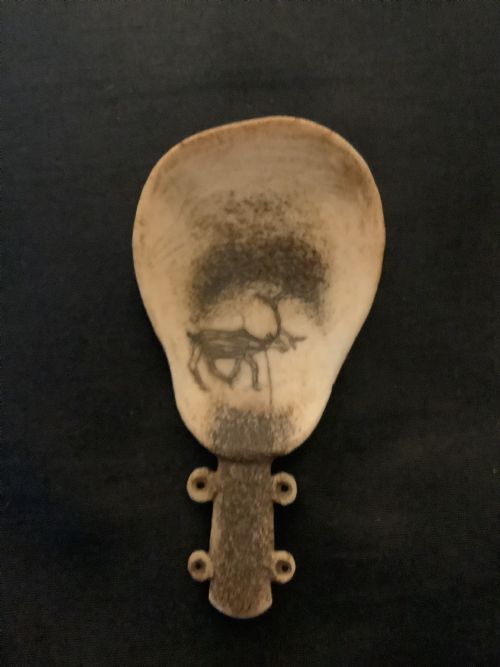
The objects take many forms, most frequently appearing as walking sticks and canes, powder horns and flasks, snuff boxes, and gaming collectables such as dice shakers and domino sets. You will also find spoons, beakers, and small decorative boxes, demonstrating how carvers transformed raw materials into functional possessions.
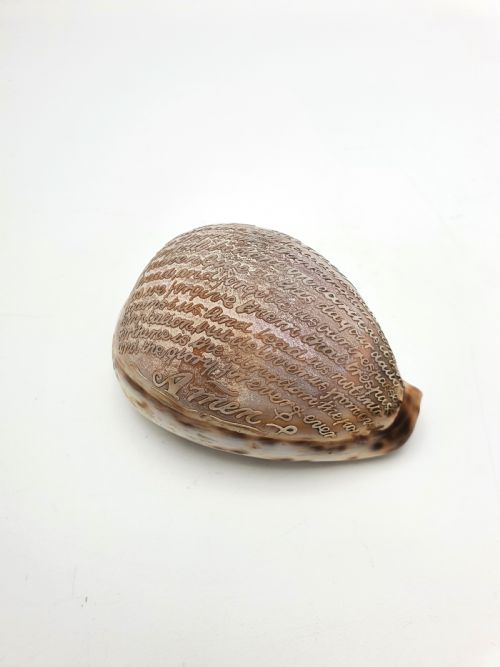
Materials such as bone, whalebone, horn, and wood dominate these pieces, often worked by sailors, indigenous carvers, and confined soldiers using basic pocket knives and makeshift tools. Their surfaces carry historical significance through engraved inscriptions, pigment, and ink.
Materials and construction
Makers utilised organic materials readily available in their environments, chiefly whalebone, bone, stag horn, and cow horn, supplemented by wood, metal fittings, and brass components. These substances were shaped through carving, turning, and engraving.
Antique Scrimshaw Retail Price Guide 2026
Typical asking prices for scrimshaw among the pieces listed under this phrase on Sellingantiques today, from the lower quarter to the upper quarter. They describe what is for sale here now, not the wider market.
The objects recorded here include walking sticks, powder horns, love spoons, and gaming sets.
Distinctions in quality
Quality rests upon the crispness of the carving and the complexity of the design relative to the hardness of the material. Fine examples display confident, controlled lines in the engraved text or imagery, whilst simpler pieces rely entirely on the natural shape of the horn or bone.
The level of handling and the completeness of original components, such as matching dice in a shaker or intact lids on snuff boxes, distinguish superior survivals. Wear from period use is expected, but the sharpness of the original working defines the tier of the piece.
The Antique Scrimshaw Glossary
- Scrimshaw
- The carving or engraving of bone, whalebone, ivory, and horn, traditionally associated with sailors and maritime life. It encompasses both engraved surface designs and three-dimensional carved objects.
- Powder horn
- A hollowed animal horn used for storing gunpowder safely and keeping it dry. These often feature detailed surface engraving showing maps, dates, or ownership ciphers.
- Prisoner of war work
- Items carved by detained soldiers and sailors during conflicts, particularly of the Napoleonic era. They utilised scrap bone and horn to produce utilitarian items like domino sets and boxes.
- Love spoon
- A decorative wooden, horn, or antler spoon carved as a token of affection. Central European and regional folk traditions produced these with intricate pierced handles and symbolic motifs.
- Memento mori
- An artistic reminder of the inevitability of death. In these listings, it takes the form of carved bone objects designed to prompt contemplation of mortality.
Antique Scrimshaw: Frequently Asked Questions
What is antique scrimshaw made from?
These items are made from organic materials such as bone, whalebone, stag horn, cow horn, and antler. Carvers also incorporated auxiliary materials including wood, brass, and pigment to complete the objects.
Makers selected these substances for their availability and workability, turning tough animal parts into smooth surfaces suitable for fine engraving and handling.
Who made antique scrimshaw items?
The makers included sailors on long whaling voyages, indigenous communities such as Inuit carvers, and prisoners of war confined during eighteenth and nineteenth-century conflicts. Each group brought distinct regional and cultural methods to their work.
Folk artists and local craftsmen also produced these items, utilising basic hand tools to shape bone, horn, and wood into useful daily objects.
How were powder horns used?
Powder horns served as durable, weather-resistant containers for carrying gunpowder used in muzzle-loading firearms. The natural taper of the horn allowed powder to be poured easily into a measure or directly into a barrel.
Carvers often inscribed them with ownership details, dates, or decorative patterns to distinguish individual flasks among troops and hunters.
How do I date antique scrimshaw?
Dating relies on stylistic evidence, recorded dates inscribed on the pieces, and the specific material types associated with known periods of production. Folk art conventions and construction methods also help place an object within the eighteenth, nineteenth, or early twentieth century.
Comparing the form of utility items, such as walking sticks or dice shakers, with documented examples provides further chronological context.