





Antique Scottish Spoons
These antique scottish spoons range from heavy eighteenth-century provincial ladles to cased twentieth-century sets, offering solid silver craftsmanship and regional silver marks that collectors prize.
Antique Scottish Spoons
When you search for antique scottish spoons, you encounter a specialised range of flatware and holloware spanning the eighteenth, nineteenth and twentieth centuries. The selection encompasses everyday dining implements alongside large serving pieces and functional condiments.
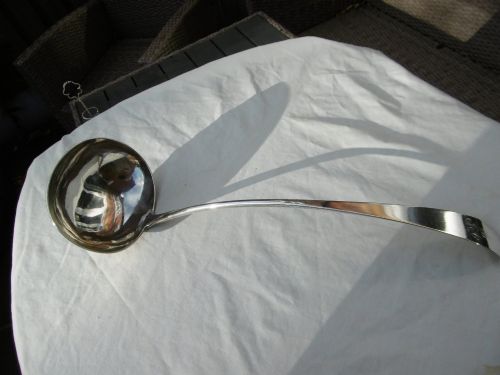
You are most likely to meet provincial and Edinburgh-assayed sterling silver items, including tablespoons, toddy ladles, and mustard spoons. Regional provincial marks from towns like Inverness and Glasgow feature prominently alongside major makers.
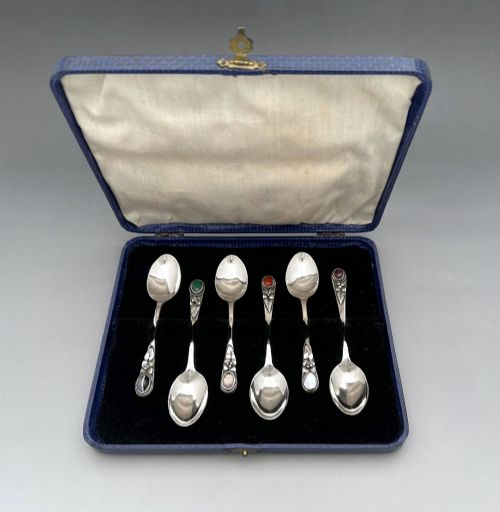
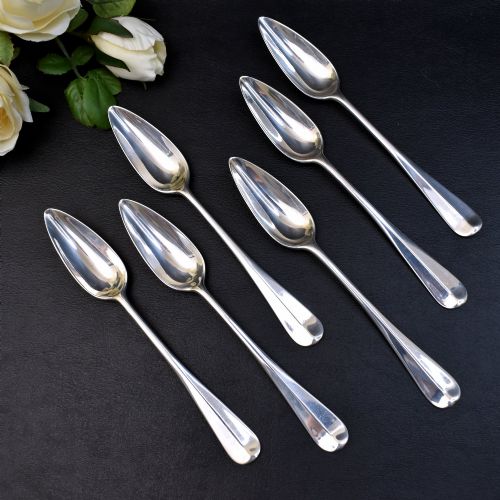
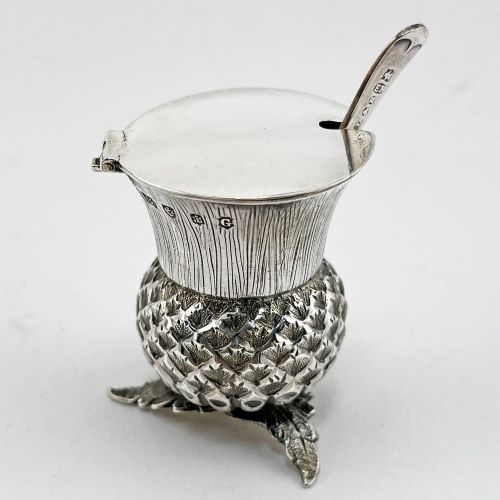
The forms extend from early rat tail tablespoons and George III basting spoons to Arts and Crafts demi-tasse sets and novelty thistle designs. Collectors find both single table items and matched cased pairs reflecting distinct domestic habits of past eras.
How they were made
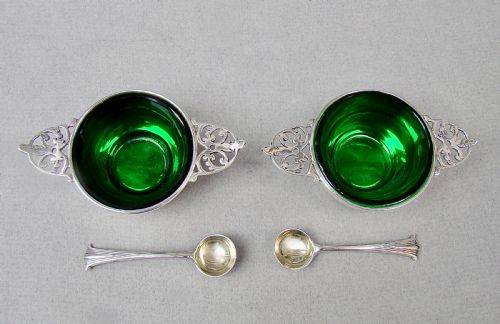
Makers shaped these pieces predominantly from sterling silver and solid silver, hammering and casting the metal to achieve durable bowls and handles. Certain specialised items incorporate additional materials such as green glass liners or semi-precious stones.
Provincial silversmiths utilised traditional hand-wrought techniques, stamping their work with town and maker marks unique to Scottish regional assay offices. Later nineteenth and twentieth-century production incorporated finer mechanical finishing while retaining solid silver construction.
Antique Scottish Spoons Retail Price Guide 2026
Typical asking prices for scottish spoons among the pieces listed under this phrase on Sellingantiques today, from the lower quarter to the upper quarter. They describe what is for sale here now, not the wider market.
Object forms include cutlery, silverware, ladles, salt cellars, spoons, serving spoons, mustard pots, and tea caddy spoons.
What varies in quality
The distinction between standard utility flatware and superior pieces rests on the weight of the metal and the clarity of the provincial hallmarks. Heavier soup ladles and hash spoons demonstrate substantial silver content and robust original shaping.
Provenance and specific maker attribution elevate certain items, particularly eighteenth-century provincial pieces bearing distinct Inverness or Glasgow stamps. Intricate detailing, such as private die handles or naturalistic forms, separates standard production from exceptional silversmithing.
Milne and Campbell·Hamilton and Inches·Josiah Williams and Co·John Edmonstone·James Tait·Jamieson and Naughton·Robert Gordon·Richard Rae·Alexander Henderson
The Antique Scottish Spoons Glossary
- Provincial
- Silver manufactured and marked outside the main assay towns such as Edinburgh, often bearing distinctive maker and town punches.
- Rat tail
- A strengthening ridge running down the back of the bowl where it joins the handle, common on early eighteenth-century spoons.
- Basting spoon
- A large spoon used in food preparation or service, substantially longer than a standard tablespoon.
- Toddy ladle
- A small ladle with a twisted whalebone or silver handle, used for serving hot punch or whisky toddy.
- Private die
- A custom stamp commissioned by a wealthy family or individual to imprint personalised crests or ciphers onto flatware.
Antique Scottish Spoons: Frequently Asked Questions
How do I date an unmarked Scottish spoon?
Dating relies on stylistic indicators such as handle shape, bowl profile, and any accompanying town or maker punch marks rather than a single fixed year.
Examining the construction method and comparing the piece to documented provincial examples helps narrow down the period of manufacture.
How were toddy ladles used?
Toddy ladles served to ladle hot whisky punch or toddy from a communal bowl into individual drinking glasses during social gatherings.
Their short bowls and extended handles allowed easy reaching into deep mixing vessels.
Are these spoons made of solid silver?
The pieces recorded here are constructed from sterling silver and solid silver, adhering to traditional precious metal standards of their respective periods.
Certain items may incorporate auxiliary materials like semi-precious stones or glass liners for specific condiment functions.