




Antique School Art
Antique school art gathers centuries of regional portraiture, landscape studies and traditional workshop paintings into pieces carrying distinct historic provenance.
Antique School Art
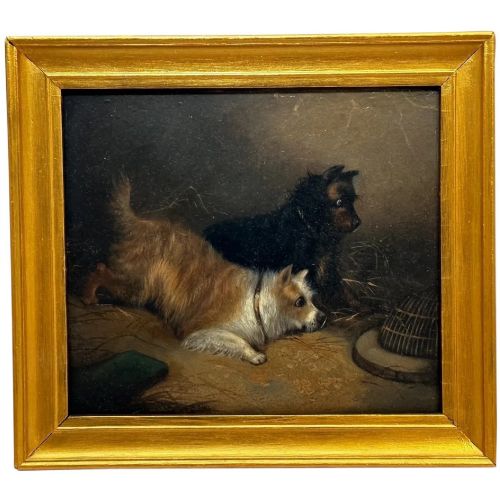
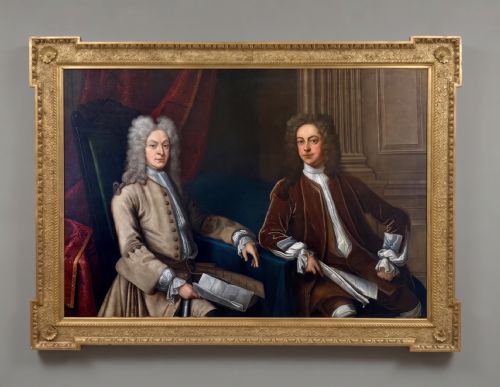
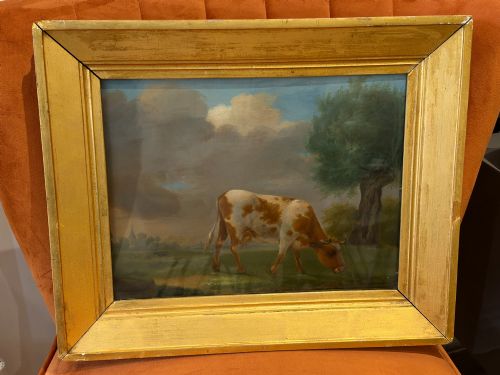
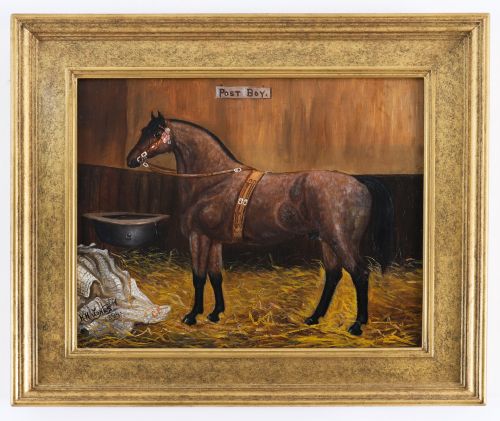
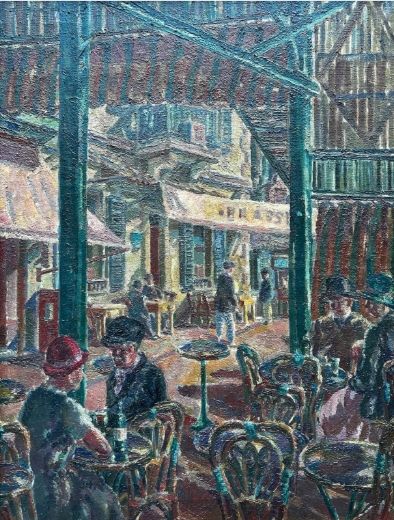
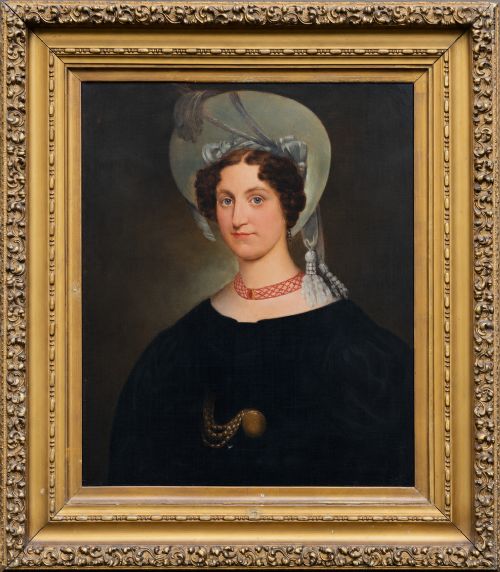
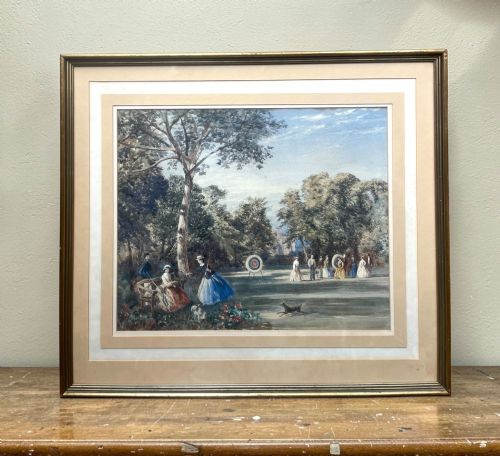
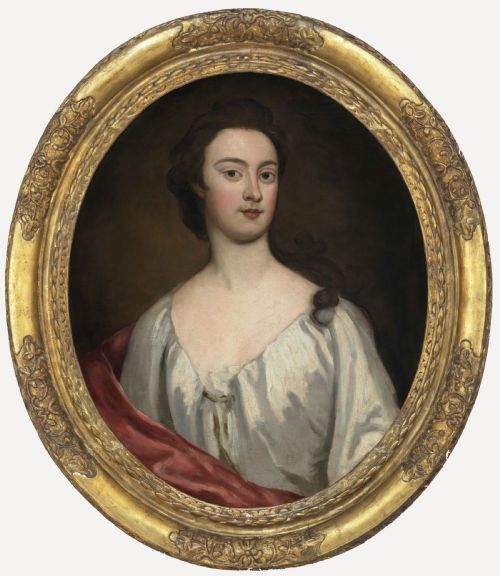
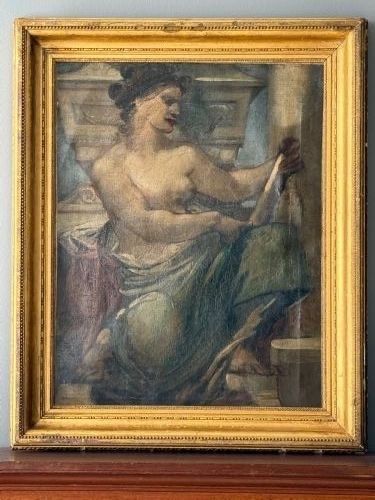
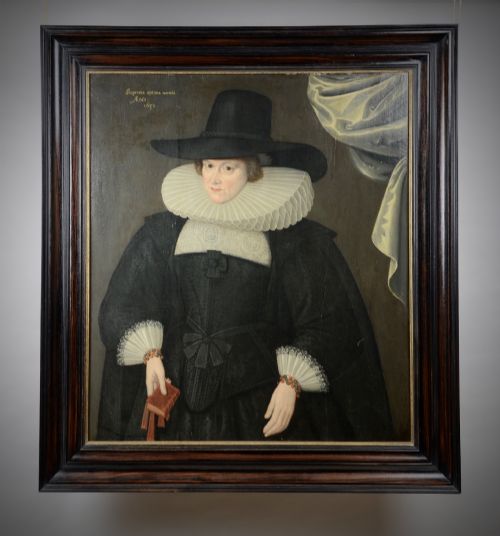
Antique school art encompasses centuries of paintings, drawings and watercolours attributed to specific regional traditions, studio circles or named masters from the seventeenth century onward. Buyers exploring antique school art frequently encounter works originating from English, French, Dutch and Italian traditions, ranging from intimate portraiture to expansive landscape studies.
The material record spans oil on canvas, oil on panel, watercolours on paper and pen and ink drawings framed within period borders. Many examples reflect the output of historical workshops, where pupils and associates produced works in the manner of established painters.
What dictates quality in school art
Quality rests in the dexterity of brushwork, the depth of pigment layering and the anatomical or perspective accuracy demonstrated within the composition. Works originating directly from the hand of a master or an esteemed studio show a sureness of line absent in secondary copies.
Condition plays a central role, with preference given to pieces retaining original surfaces, undisturbed craquelure and minimal overpainting. The historical integrity of the framing and the clarity of attribution further separate standard workshop output from exceptional collector pieces.
Antique School Art Retail Price Guide 2026
Typical asking prices for school art among the pieces listed under this phrase on Sellingantiques today, from the lower quarter to the upper quarter. They describe what is for sale here now, not the wider market.
Listings feature works spanning the seventeenth, eighteenth and nineteenth centuries, executed in oil, watercolour and ink across various European traditions.
Constantyn Netscher·Cornelius Johnson·Sir Thomas Lawrence·Francois Boucher
The Antique School Art Glossary
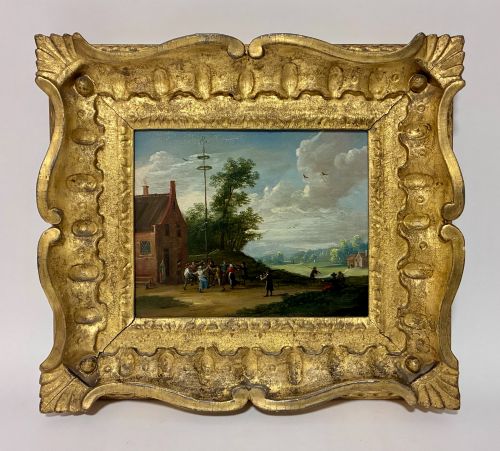
- Oil on panel
- A painting executed on a flat wooden support rather than fabric. Panels provide a rigid ground that preserves fine detail over long periods.
- Studio of
- A designation indicating a work produced by assistants under the direct supervision of a master artist. Such pieces share the technical characteristics of the primary workshop.
- Circle of
- A term used when a painting shows the distinct stylistic influence of a major artist without being attributed directly to them. It implies proximity to the master's working environment.
- Provenance
- The documented history of ownership associated with a work of art. A clear lineage supports the authenticity and attribution of historical pieces.
Antique School Art: Frequently Asked Questions
What does school mean in old paintings?
The term denotes a group of artists working within a shared geographic region, time period or stylistic tradition under the influence of a prominent master. It helps historians categorise works where an individual hand remains unverified.
Such attribution connects anonymous pieces to broader cultural movements and workshop practices of their era.
How should I care for oil paintings?
Keep paintings away from direct sunlight, high humidity and sudden temperature fluctuations that can cause canvas tension issues or panel splitting. Dust the surface gently with a soft, dry brush without applying cleaning solutions.
Professional conservation is required if tears, flaking paint or significant varnish discolouration develop over time.
Are watercolours harder to preserve?
Works on paper require protection from ultraviolet light to prevent the fading of fugitive pigments used in historical watercolours. Framing under conservation-grade glass with acid-free mounts safeguards the paper substrate.
Displaying these pieces in rooms with stable environmental conditions prevents damp damage and foxing.
How do I identify a panel painting?
Panel paintings utilise wooden boards, often oak or fruitwood, visible on the reverse if the framing permits inspection. The wood grain occasionally shows through the paint layers as the support ages.
Unlike canvas, panels lack flexibility and feel solid when gently tapped near the edges.