



Antique Scent Vial
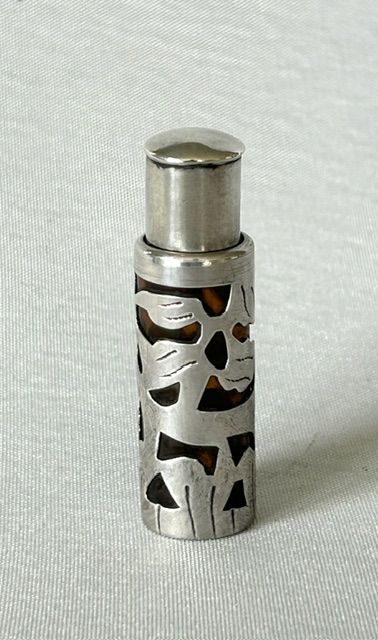
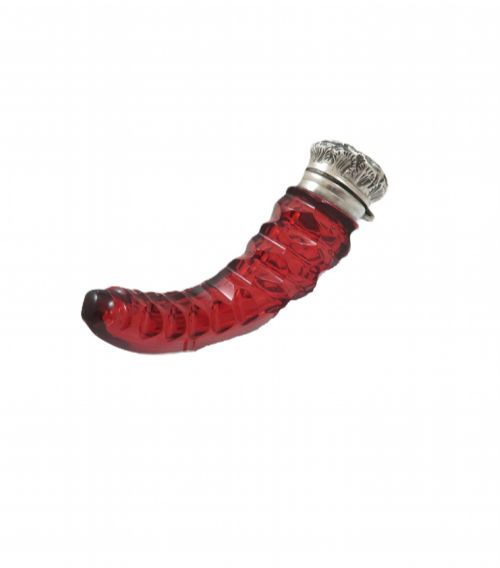
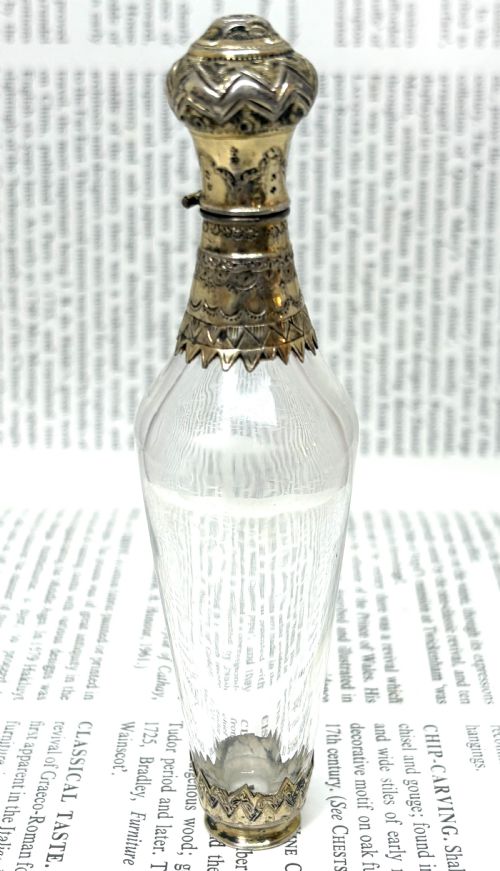
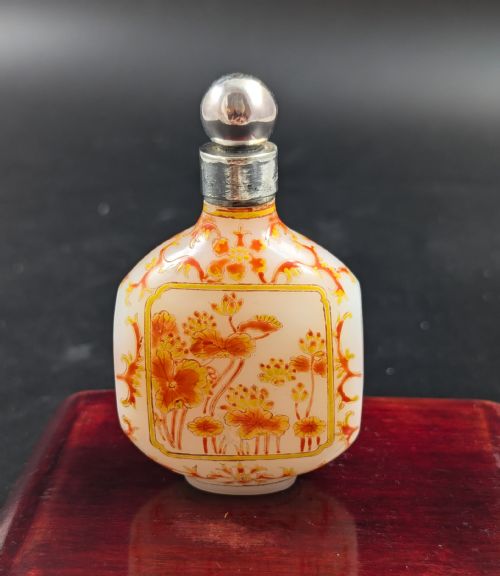
These antique scent vial examples are portable vessels for precious personal fragrances, offering collectors exquisite miniature metalwork and coloured glass from centuries past.
Antique Scent Vial
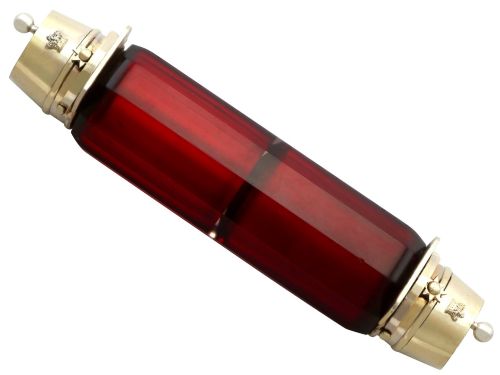
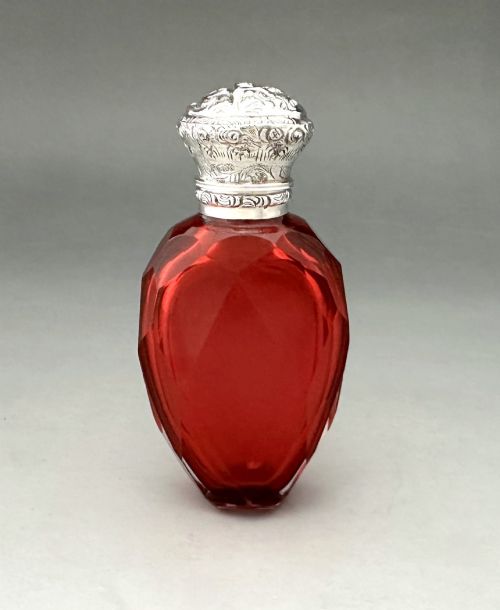
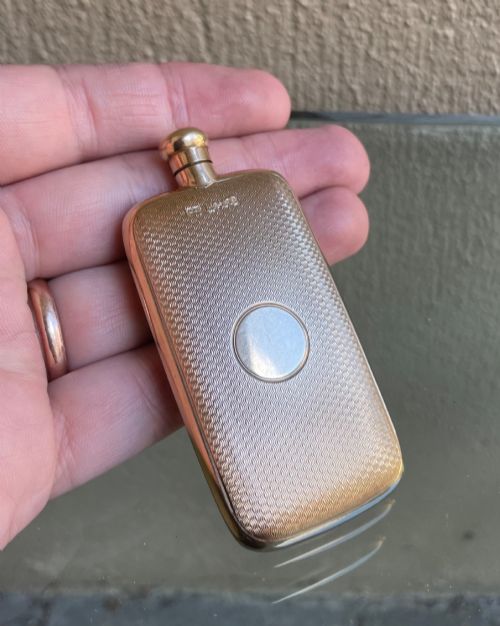
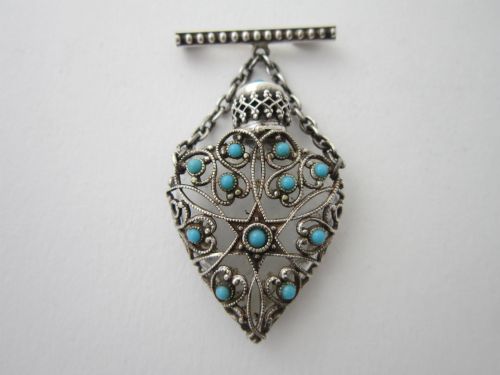
An antique scent vial is a small, portable vessel designed to hold perfume or smelling salts, frequently fashioned with a secure stopper or cap to preserve delicate aromas. The pieces seen here encompass everything from pocket flasks to vanity bottles.
The versions most commonly met on this page date from the Victorian and Edwardian eras, alongside Georgian and 19th-century examples. These earlier pieces often combine glass bodies with fitted metal mounts.
Materials and construction
Glass forms the primary body of many pieces, utilising rich colours such as cranberry, ruby, amber, and amethyst alongside clear cut and etched glass or enameled white glass. Metalwork provides structural mounts, caps, and hinged lids, executed in sterling silver, silver gilt, 9ct gold, and continental silver.
Techniques range from wheel-cutting and acid-etching on the glass to repoussé work, engraving, and enamel decoration on the metal components. Some containers feature double-ended designs or specialised flask shapes tailored for pocket carriage.
Antique Scent Vial Retail Price Guide 2026
Typical asking prices for scent vial among the pieces listed under this phrase on Sellingantiques today, from the lower quarter to the upper quarter. They describe what is for sale here now, not the wider market.
Materials recorded across the inventory include cranberry, ruby, amber, and amethyst glass, alongside solid silver, 9ct gold, and leather.
What separates the best pieces
Quality rests in the harmony between the glass body and its metal mounts, where precision in the engraving and snugness of the stopper closure indicate superior craftsmanship. Finer examples display intricate hand-chased metalwork or complex glass coloration.
The presence of maker marks, hallmarking, or specialised artistry such as enamel detailing elevates a piece above standard utilitarian containers. The integrity of the glass and the crispness of any cut decoration further define the upper tier.
Rene Lalique·Kate Greenaway·Guyue Xuan
The Antique Scent Vial Glossary
- Cranberry glass
- A rich red-pink transparent glass created by adding gold chloride to the molten batch. It appears frequently in Victorian scent containers.
- Double ended scent bottle
- A vessel featuring hinged caps at both ends, allowing the owner to carry two different liquids, often perfume on one side and smelling salts on the other.
- Silver gilt
- Silver objects that have been coated with a thin layer of gold on the surface. This technique provides a warm golden sheen while utilising a silver base.
- Repoussé
- A metalworking technique where the metal is hammered from the reverse side to form a raised design in relief. It is commonly seen on Victorian and Edwardian silver mounts.
- Snuff bottle
- A small container designed to hold powdered tobacco, sharing similar portable housing formats with perfume flasks of the same periods.
Antique Scent Vial: Frequently Asked Questions
What is an antique scent vial?
An antique scent vial is a small, decorative container made to hold liquid perfume or reviving salts for personal use. They were designed to be carried in a pocket or reticule, or kept on a dressing table.
Most surviving examples pair precious metals like sterling silver with coloured glass bodies. Their small scale required high levels of miniature craftsmanship from silversmiths and glassmakers.
How were they used in the past?
Owners used these small flasks to carry favourite scents or pungent smelling salts to combat foul odours or fainting spells in crowded public spaces. The tight stoppers prevented the volatile perfumes from evaporating.
Many designs included hinged lids or screw caps secured by chains so the stopper would not be lost while in motion. Double-ended versions allowed ladies to carry both perfume and salts simultaneously.
How do I date an antique scent bottle?
Dating relies heavily on hallmarks stamped onto the silver or gold mounts, which indicate the assay office and year of production. Stylistic clues such as Art Nouveau curves or Georgian engraving styles also help narrow the timeframe.
The manufacturing techniques of the glass body, from hand-blown cranberry vessels to machine-moulded later pieces, provide additional chronological markers.
How should I display them at home?
These small vessels sit well grouped on mirrored trays, inside glass cabinets, or upon dressing tables where light can pass through the coloured glass. Keeping them out of direct, harsh sunlight protects any delicate internal residues or coloured glass tones.
Because they are stable on flat bases, most flask and bottle forms require no special stands, though upright positioning keeps stoppers secure.