





Antique Satsuma Figure
These antique satsuma figure pieces are Japanese ceramic sculptures and vessels decorated with enamels and gold leaf, offering collectors finely painted historical scenes and deities.
Antique Satsuma Figure
An antique satsuma figure encompasses ceramic works originating from Japan across the Edo, Meiji, and Taisho periods, spanning from the eighteenth century into the early twentieth century. Buyers seeking this phrase encounter figurative okimono sculptures depicting deities and figures such as Daikoku, Hotei, and Bijin, alongside vessel forms decorated with human subjects.
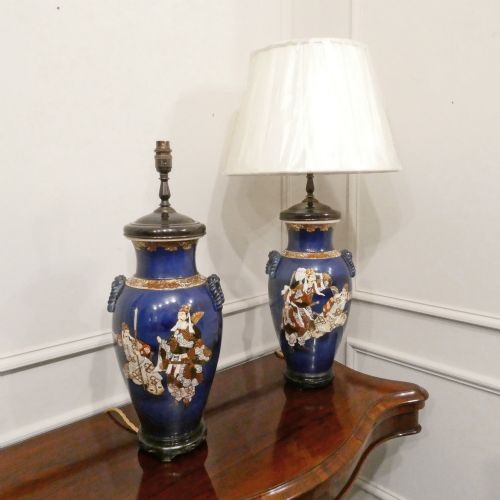
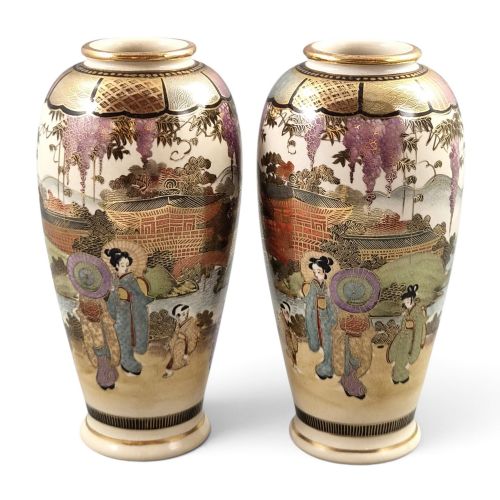
The pieces on this page lean heavily towards the Meiji and late Victorian eras, reflecting the strong export trade of that time. Alongside standalone figurines, the selection includes vases, bowls, and okimono that incorporate figures into their painted surface designs.
Originating from workshops in regions such as Kyoto and Tokyo, these items bridge traditional Japanese craftsmanship with Victorian decorative tastes. Collectors find both diminutive figural carvings and large scale exhibition pieces among the current offerings.
Materials and Techniques
The foundation of these works is earthenware or porcelain, shaped into vessels, plates, and figural okimono before receiving a crackle glaze. Artisans then applied intricate hand-painted enamels, building up complex multi-figure compositions with meticulous brushwork.
Antique Satsuma Figure Retail Price Guide 2026
Typical asking prices for satsuma figure among the pieces listed under this phrase on Sellingantiques today, from the lower quarter to the upper quarter. They describe what is for sale here now, not the wider market.
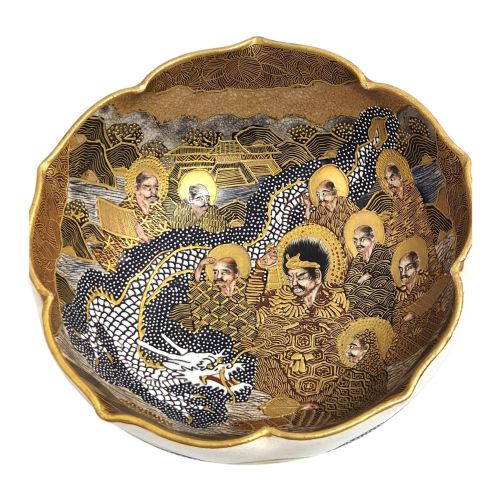
Daruma monks stare out from nineteenth century surfaces, reminding weary collectors to maintain their focus.
Assessing Quality
The refinement of the hand-painted brushwork sets the finer examples apart, particularly in the rendering of facial expressions, fingers, and intricate textile patterns on court figures and deities. Superior pieces demonstrate precise control over fine lines and disciplined placement of gold leaf without crowding the composition.
The density and crispness of the crackle glaze across the earthenware body also indicate the standard of production, alongside the complexity and depth of the enamel palette. Signed pieces from recognised makers or workshops carry an additional layer of evidence regarding their original craftsmanship.
Kinkozan Kyoto Satsuma·Kizan·Tokyo Taizan·Meizan
The Antique Satsuma Figure Glossary
- Okimono
- A Japanese ornamental carving or figurine designed for display on a tokonoma or shelf. These standalone sculptures often depict mythological figures, deities, or historical personages.
- Moriage
- A decorative ceramic technique utilising raised slip or enamel to create textured relief patterns. This method adds a tangible, three-dimensional quality to robes and decorative borders.
- Bijin
- A traditional Japanese artistic depiction of a beautiful woman. These figures frequently appear in court scenes on vases and decorative plates.
- Koro
- A traditional Japanese incense burner, often featuring a pierced cover for releasing fragrance. They appear in ceramic forms supported on feet.
Antique Satsuma Figure: Frequently Asked Questions
How do I identify Meiji period pieces?
Meiji period items correspond to the era of Japanese history spanning from 1868 to 1912. They often reflect the intense artistic output aimed at Western export markets.
Look for intricate enamel work, extensive gilding, and detailed figurative scenes on earthenware bodies.
Are these pieces made of porcelain or earthenware?
The listings include both earthenware and porcelain bodies decorated with glaze and enamel. Earthenware pieces typically feature the characteristic fine crackle glaze associated with traditional Satsuma ware.
Porcelain supports finer, smoother vessel forms while retaining similar enamel painting styles.
How were these items used originally?
Many figurative pieces and okimono served as decorative art objects within domestic interiors in both Japan and the West. Vessels like vases and incense burners fulfilled both ornamental and ritual functions.
Their detailed narrative scenes were designed for close inspection in a reception room or study.