



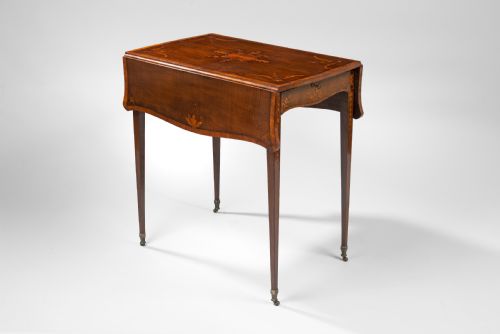


Antique Satinwood Sofa
An antique satinwood sofa offers pale, luminous timber and delicate banding that brings immediate lightness to a formal room.
Antique Satinwood Sofa
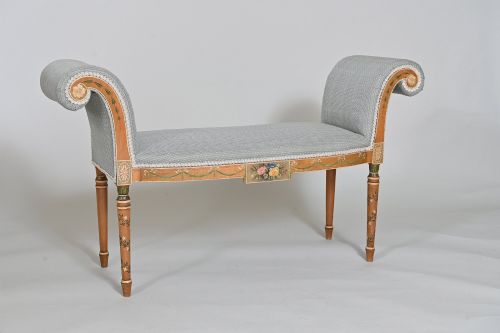
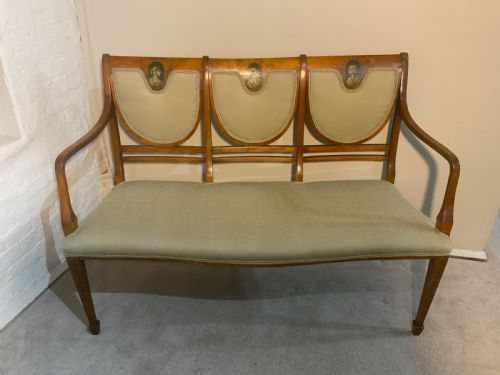
When you search for an antique satinwood sofa, you encounter seating forms spanning from the late eighteenth century through the Edwardian period. The selections here include early nineteenth century chair back settees, Edwardian inlaid two seater sofas, and painted satinwood settee designs.
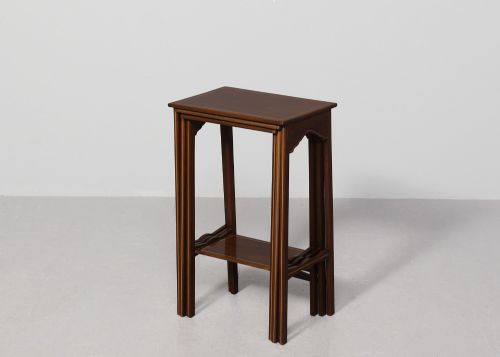
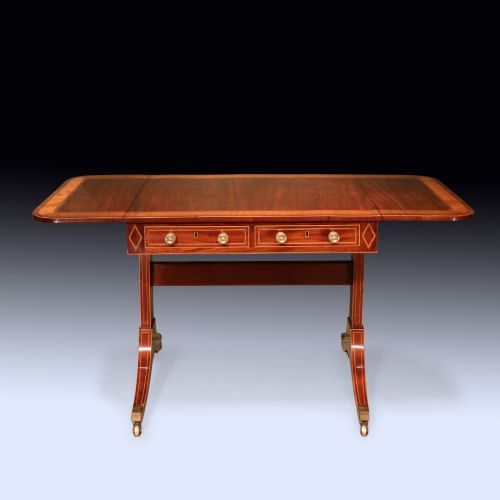
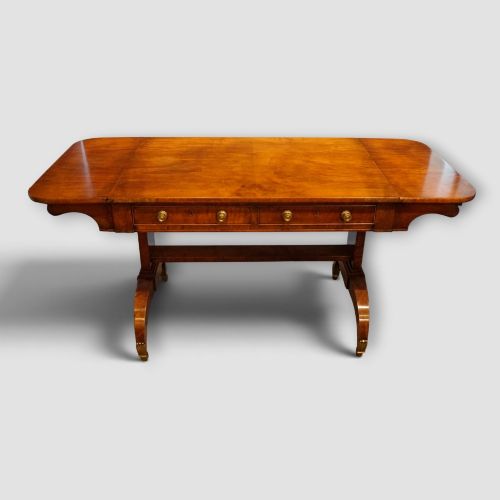
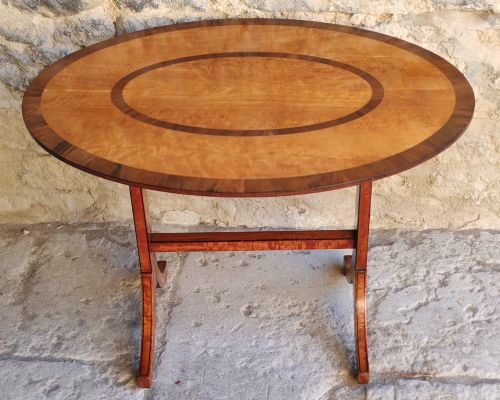
The material appears on formal salon seating as well as occasional tables and drop leaf sofa tables from the Regency and Georgian eras. Edwardian examples often feature mahogany frames combined with satinwood inlay, alongside specialised pieces like end of bed sofas.
Makers and workshops across the eighteenth, nineteenth, and early twentieth centuries utilised satinwood to create pieces influenced by Sheraton, Regency, and Neo-Classical styles. These seating options range from simple banded frames to intricately painted and caned examples.
Materials and Technique
The primary material, satinwood, provides a naturally reflective, golden surface that makers combined with contrasting timbers such as mahogany, rosewood, ebony, and boxwood for detailed inlay and banding. Craftsmen also incorporated marquetry, bone, and painted decoration onto the wood surfaces.
Structural framing often relied on sturdy mahogany or satin walnut, overlaid with fine veneers or built as solid drop flap tables and chair back settees. Caning and upholstered fabric inserts complete the construction of the seating pieces seen in the listings.
Antique Satinwood Sofa Retail Price Guide 2026
Typical asking prices for satinwood sofa among the pieces listed under this phrase on Sellingantiques today, from the lower quarter to the upper quarter. They describe what is for sale here now, not the wider market.
Listings feature satinwood combined with mahogany, rosewood, and ebony across Georgian, Regency, and Edwardian periods.
Gradations in Quality
Quality rests upon the crispness of the marquetry, the subtlety of the satinwood banding, and the integrity of the underlying timber frame. Finer examples display meticulous grain matching and precise inlay work rather than heavy or hurried surface decoration.
The proportion of the piece and the condition of original painted motifs or caning dictate the standing of a given settee. Pieces that retain their original timber surfaces without excessive later intervention command greater regard from collectors.
The Antique Satinwood Sofa Glossary
- Satinwood
- A hard, durable timber prized for its lustrous, yellow-gold sheen and smooth grain. It forms the primary visible surface on fine eighteenth and nineteenth-century case and seating furniture.
- Banding
- A narrow strip of contrasting veneer inlaid around the edges of a tabletop or chair rail. This technique frames the primary timber and accentuates the geometry of the piece.
- Marquetry
- The art of forming decorative patterns on a wooden structure using thin veneers of various woods, shells, or bone. It appears extensively on tabletops and salon settees.
- Pembroke table
- A small, versatile table featuring two hinged drop leaves on opposing sides. These tables often incorporate satinwood and mahogany construction with a single drawer.
- Settee
- A medium-length upholstered or wooden bench with a back and arms, designed for multiple sitters. Antique variants include chair back forms and painted salon models.
Antique Satinwood Sofa: Frequently Asked Questions
How do I date an Edwardian satinwood sofa?
Edwardian pieces typically date from around 1900 to 1920, often combining a mahogany structure with satinwood inlay and salon styling.
Examine the construction methods and the style of the upholstery framework to confirm this early twentieth-century origin.
What is the difference between a settee and a sofa?
In historical terms, a settee often denotes a lighter, more formal wooden or upholstered seat, frequently featuring exposed woodwork and decorative back rails.
A sofa historically implies a larger, more deeply upholstered piece intended for comfortable reclining.
Where should I place an end of bed sofa?
An end of bed sofa fits neatly at the foot of a larger bed frame, utilising a compact footprint to provide convenient seating in a bedroom.
Edwardian inlaid versions work particularly well in this setting by echoing traditional bedroom cabinet furniture.
How do I care for satinwood furniture?
Maintain satinwood surfaces by keeping them away from direct sunlight and excessive heat, which can dry out the delicate veneers and pale timber.
Dust gently with a soft cloth and apply appropriate wax sparingly to preserve the natural lustre.