



Antique Saltwater Pearls
Antique saltwater pearls are organic treasures gathered from the sea, prized for their deep lustre and mounted with precious gems.
Antique Saltwater Pearls
When you search for antique saltwater pearls, you are looking at organic gems that formed naturally in ocean waters rather than being farmed in modern operations. These pieces range from delicate Georgian examples to bold mid-century designs.
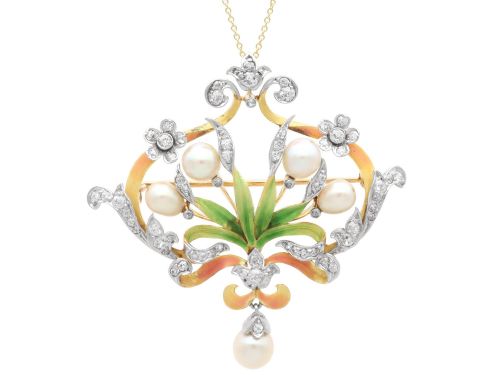
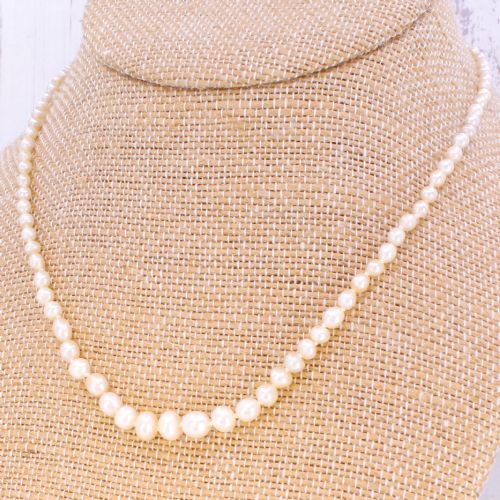
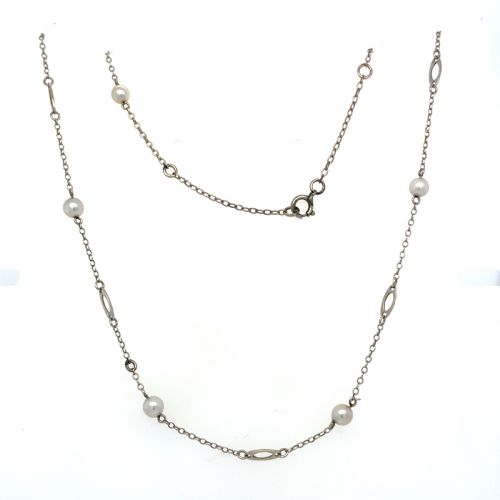
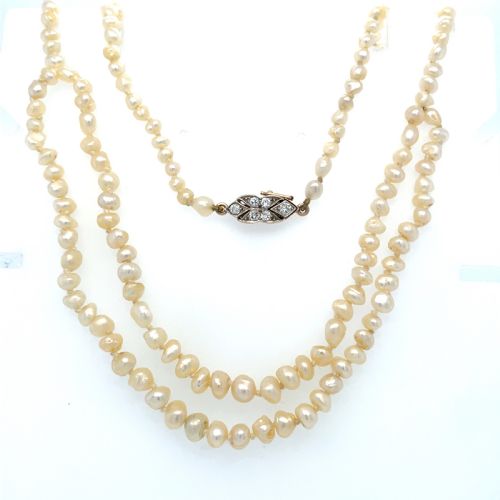
The most common form you will meet on this page is the necklace, often featuring carefully matched strands alongside pendants and brooches. Many pieces incorporate precious metals like platinum and gold to frame the pearls.
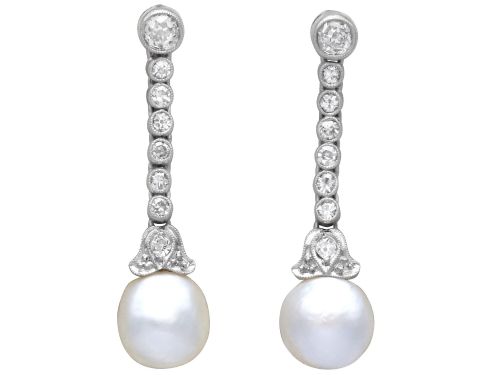
Makers across the Victorian, Edwardian, and Art Deco periods set these pearls into rings, bracelets, and drop earrings. Each era brought distinct aesthetic choices, from ornate enameled gold to sleek platinum geometries.
Materials and construction
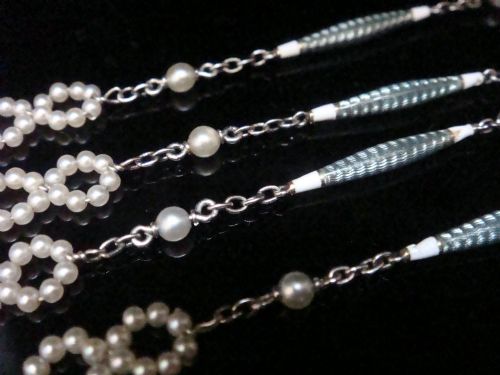
Goldsmiths and platinum-smiths combined natural saltwater pearls with mined diamonds, emeralds, and opals to create high-status jewellery. Metalwork utilised yellow gold, white gold, and platinum, frequently shaped into intricate Edwardian chains or secure settings.
Craftsmen relied on hand-drilling techniques and fine threading to assemble multi-strand rope necklaces and delicate line bracelets. Clasps were often integrated as decorative focal points set with brilliant-cut diamonds.
Antique Saltwater Pearls Retail Price Guide 2026
Typical asking prices for saltwater pearls among the pieces listed under this phrase on Sellingantiques today, from the lower quarter to the upper quarter. They describe what is for sale here now, not the wider market.
Materials paired with pearls across these selections include platinum, 9ct, 14ct, 15ct, and 18ct gold, alongside diamonds, opals, and emeralds.
Evaluating quality and design
The finest examples display a superior orient and lustre that only genuine natural saltwater growth produces over years in the ocean. Uniformity of size, shape, and surface smoothness across multi-pearl strands elevates the piece.
Superior execution shows in the integration of precious mountings, such as high-carat gold and platinum work paired with fine diamonds or enamel detailing. The integrity of the original clasps and setting security also distinguishes exceptional items.
The Antique Saltwater Pearls Glossary
- Natural saltwater pearl
- A pearl that formed organically within an oyster in the sea without human intervention. These gems possess unique layers of nacre developed over years.
- Edwardian
- A stylistic period spanning the early twentieth century known for delicate platinum work and lacy open-work designs. Jewellery from this era often pairs pearls with diamonds.
- Art Deco
- A design movement from the 1920s and 1930s characterised by geometric lines and stylised motifs. Pieces often feature sharp contrasts between white metals and dark gems.
- Orient
- The iridescent shimmer and play of light across the surface of a pearl. High-quality pearls display a deep, glowing lustre from within the nacre layers.
Antique Saltwater Pearls: Frequently Asked Questions
How do I clean antique pearl jewellery?
Wipe pearls gently with a soft, damp cloth after wearing to remove oils and residues. Avoid harsh chemical cleaners, ultrasonic baths, and prolonged immersion in water.
Store them separately from other jewellery to prevent scratching the delicate nacre surface. Professional restringing is recommended periodically for strung necklaces.
Are these pearls natural or cultured?
The listings include genuine natural saltwater pearls formed without human seeding, as well as period pieces utilising certified natural or early cultured pearls.
Certification details, where available, confirm the origin and growth method of the pearls. Examining the descriptions will clarify whether a piece is designated as natural or cultured.
What metals are typically used with these pearls?
Makers most frequently mounted saltwater pearls in platinum, yellow gold, and white gold across various carats. These metals provided the necessary strength for delicate Edwardian filigree and secure Art Deco settings.
Diamonds, emeralds, and enamel work frequently accompany these precious metals in rings, pendants, and bracelets.
How can I tell an Edwardian pearl piece from Victorian?
Edwardian jewellery predominantly utilises platinum for lighter, airier lace-like structures often featuring white-on-white diamond and pearl combinations. Victorian pieces lean towards heavier yellow gold, sometimes incorporating coloured stones like emeralds or opals alongside enamel.
Examining the metal colour and overall weight of the mount helps distinguish between these two distinct eras.