

Antique Salon Side Chairs
These antique salon side chairs bring decorative elegance and refined seating from the Victorian, Edwardian, and Regency periods into modern interiors.
Antique Salon Side Chairs
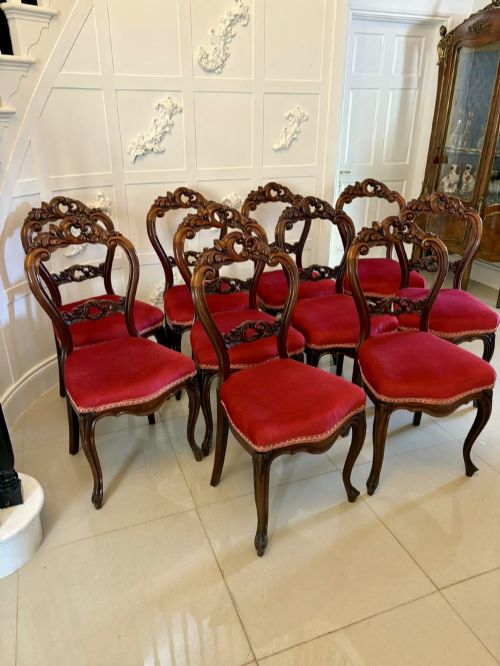
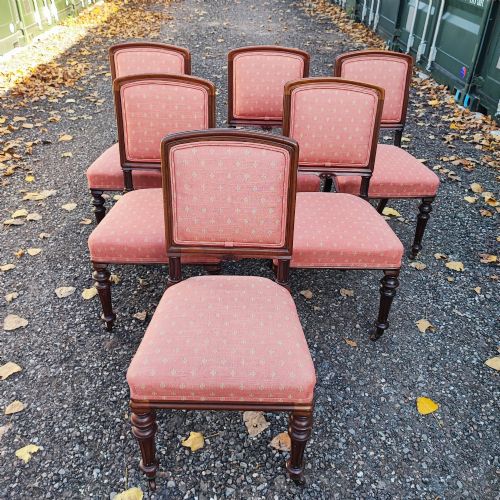
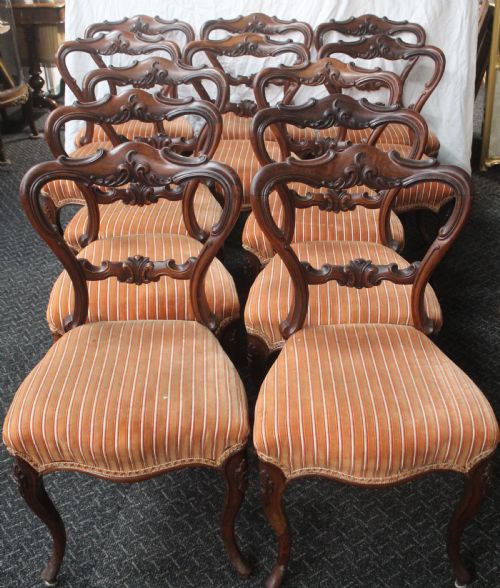
When searching for antique salon side chairs, collectors encounter lighter, smaller seating designed for drawing rooms and formal entertaining rather than heavy dining. These pieces emerge predominantly from Victorian and Edwardian workshops, alongside occasional French and Regency examples.
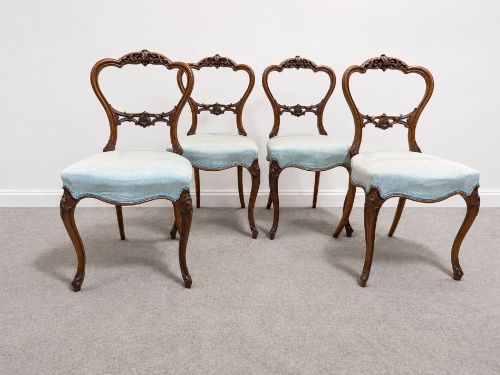
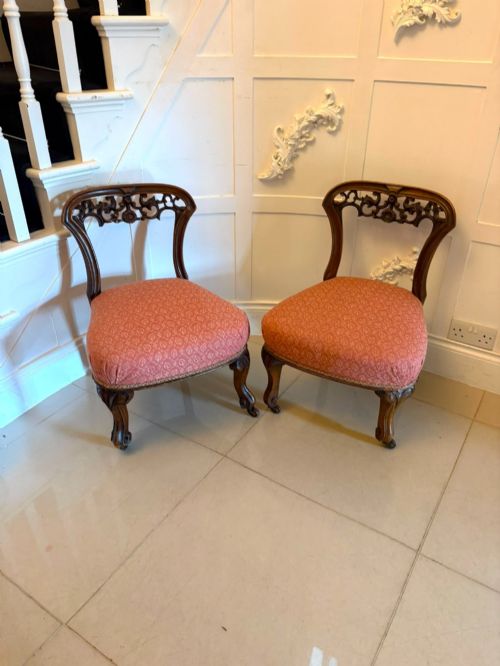
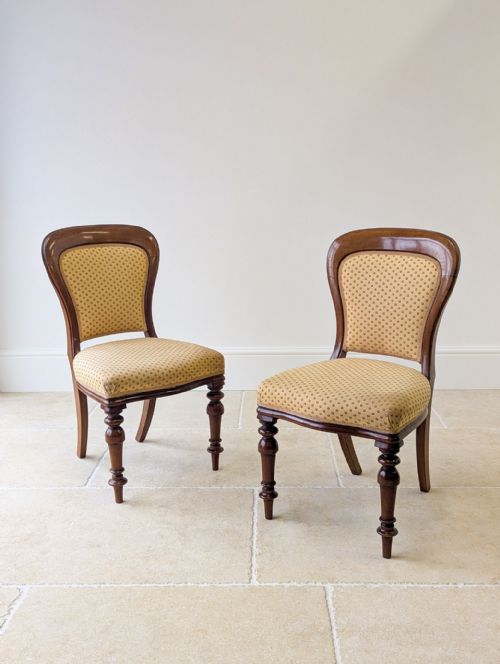
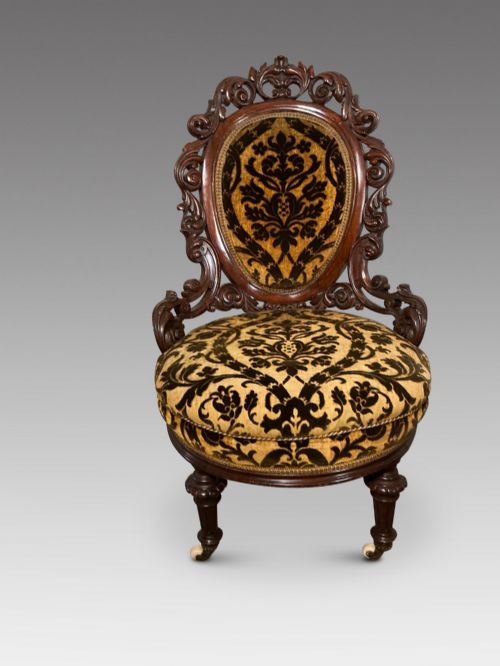
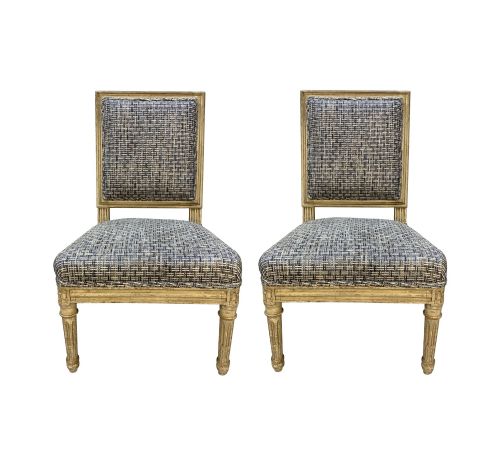
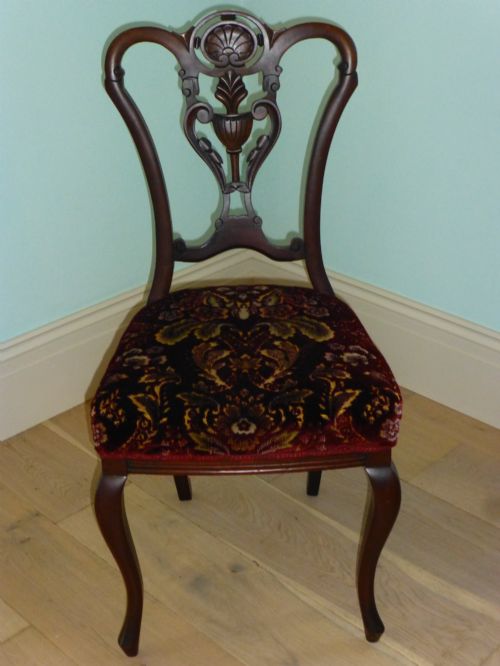
The forms span balloon backs, carved walnut frames, and inlaid mahogany structures, often appearing singly or in matched pairs. They reflect the refined domestic spaces of the nineteenth and early twentieth centuries, functioning as both decorative accents and occasional seats.
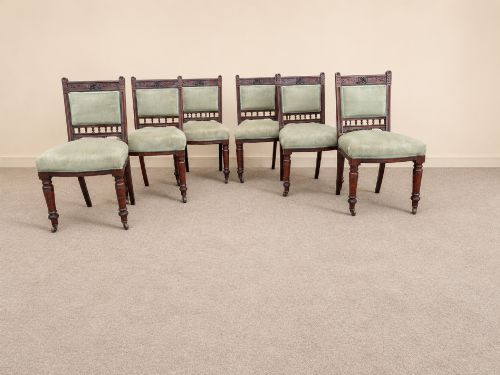
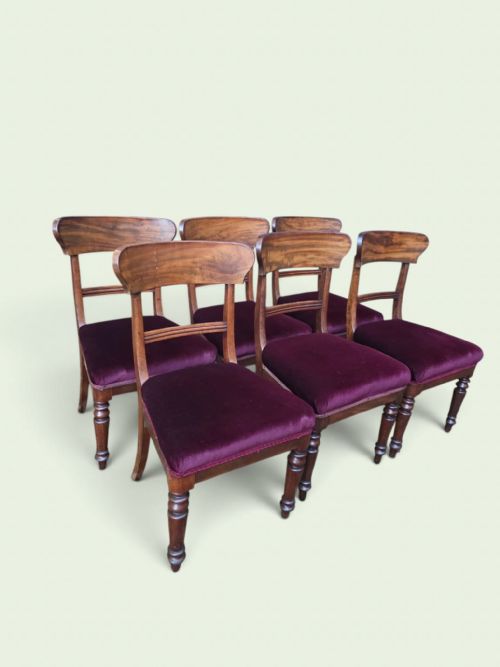
The selection here frequently displays the rich timbers and revival styles characteristic of the Victorian era, from Rococo curves to ebonised finishes. Buyers find everything from simple upholstered bedroom chairs to elaborate drawing room suites.
How they were made
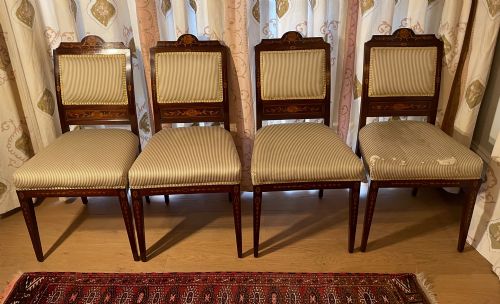
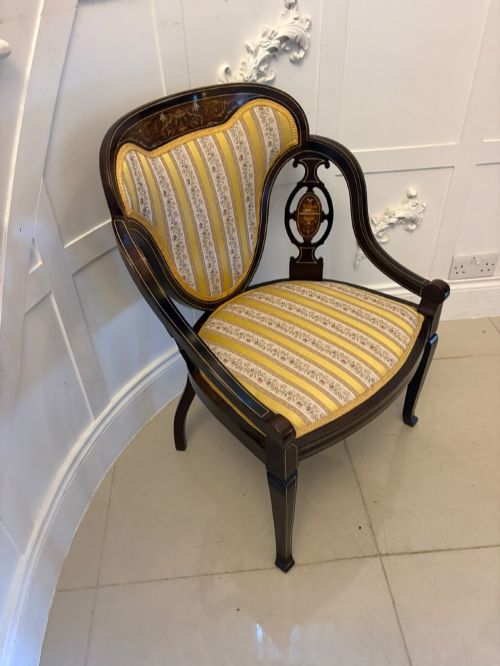
Cabinetmakers constructed these frames primarily using solid mahogany, walnut, and rosewood, often enhanced with intricate bone, boxwood, or mother of pearl inlay. Giltwood and ebonised finishes also appear, particularly on pieces influenced by French design and the Aesthetic Movement.
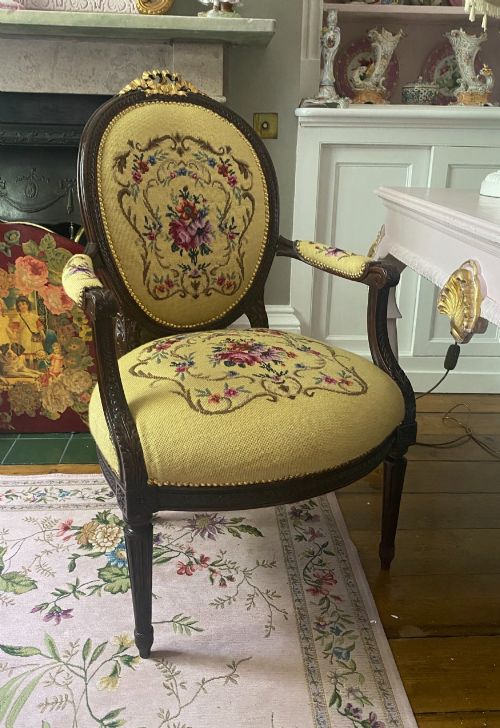
Upholstery utilised traditional webbing and stuffing techniques beneath various fabrics, velvets, and needlepoint tapestry panels. Carved details such as balloon backs and decorative side rails required specialist hand woodworking skills common to the period.
Antique Salon Side Chairs Retail Price Guide 2026
Typical asking prices for salon side chairs among the pieces listed under this phrase on Sellingantiques today, from the lower quarter to the upper quarter. They describe what is for sale here now, not the wider market.
Materials documented across the pieces include velvet, brass, giltwood, and traditional upholstery fabrics paired with intricate inlay.
What varies in quality
The distinction between ordinary and exceptional chairs lies in the crispness of the timber carving and the sophistication of the inlay work. Finer examples display deeply moulded walnut frames and precise joinery that remains tight after generations of use.
Proportion and decorative harmony separate standard seating from superior salon pieces. Better specimens integrate upholstery materials and wood tones with balanced stylistic flourishes, whether following Louis XVI revival patterns or Sheraton traditions.
J.B. C&W
The Antique Salon Side Chairs Glossary
- Balloon back
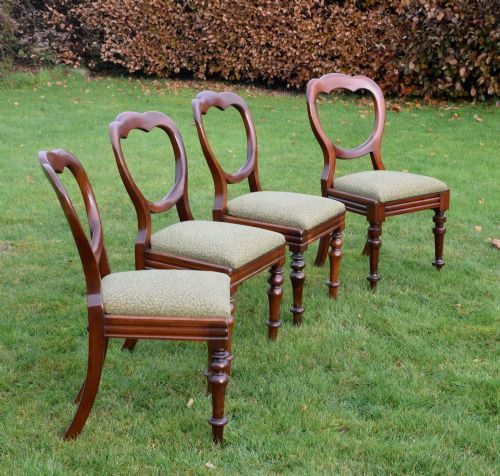
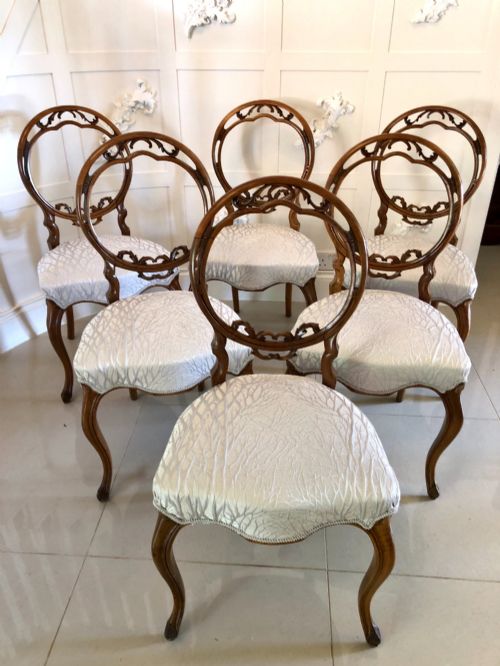
- A rounded, oval chair back shaped like a balloon, popular during the Victorian period. This design provides ergonomic support while presenting an elegant silhouette.
- Inlay
- A decorative technique where contrasting materials such as boxwood, bone, or mother of pearl are inserted into recesses in the wood surface. It defines many Edwardian and late Victorian mahogany pieces.
- Ebonised
- Wood finished with a dark stain or black lacquer to imitate ebony. This treatment appears frequently on Aesthetic Movement furniture from the late nineteenth century.
- Rococo Revival
- A nineteenth-century design movement drawing on the curved, asymmetrical motifs of the French Rococo period. Chairs in this style typically exhibit flowing carved woodwork and floral ornaments.
Antique Salon Side Chairs: Frequently Asked Questions
What distinguishes a salon side chair from a dining chair?
Salon side chairs are typically lighter, more decorative, and designed for occasional use in formal reception rooms rather than daily dining.
They often feature elaborate carved details, exposed polished frames, and lower seats intended for relaxed sitting.
How do I identify a Victorian walnut chair?
Victorian walnut chairs generally display rich, dark grain patterns and are frequently shaped into balloon backs or carved with floral motifs.
Cabinetmakers favoured walnut during the mid-nineteenth century for its malleability in carving intricate curves.
Where were these chairs used in a historic home?
These pieces occupied drawing rooms, parlours, and bedrooms as versatile seating that could be easily moved around for conversation.
Pairs often flanked fireplaces or windows, while larger matching sets formed part of extensive salon suites.
How can I tell an Edwardian chair from a Victorian one?
Edwardian chairs usually exhibit lighter framing, refined Sheraton revival inlay, and a greater emphasis on painted or satinwood finishes.
Victorian pieces tend to be heavier in construction, relying on deep mahogany or walnut timbers and substantial carving.