







Antique Sailing Model
An antique sailing model brings maritime craft home, spanning intricate dioramas and large wooden pond yachts built for the water.
Antique Sailing Model
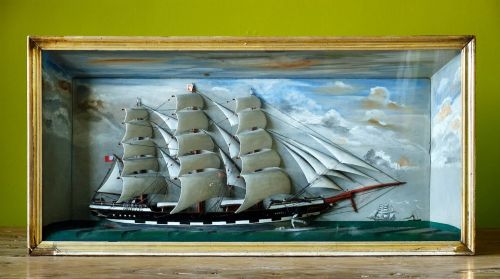
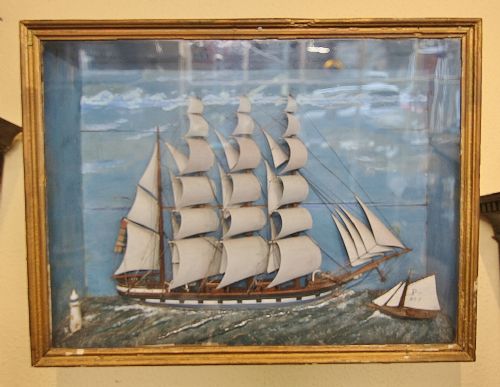
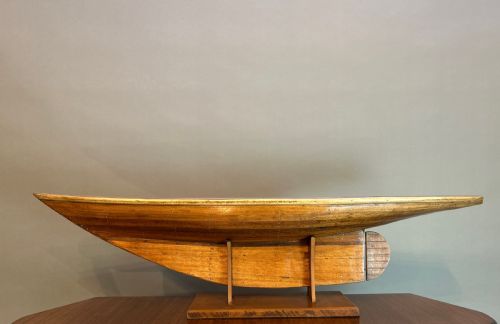
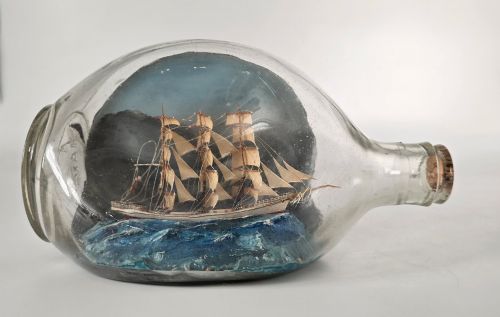
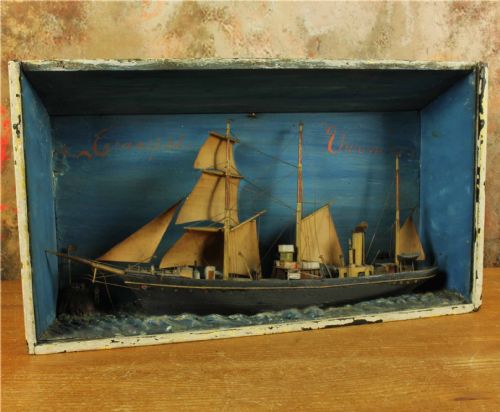
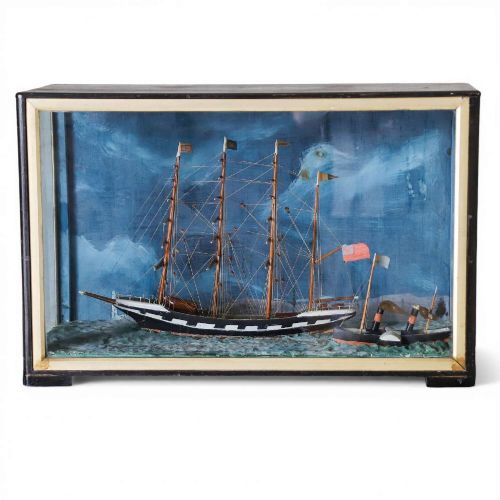
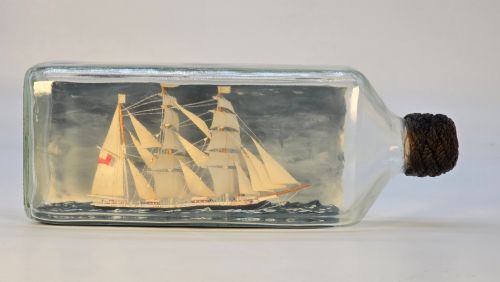
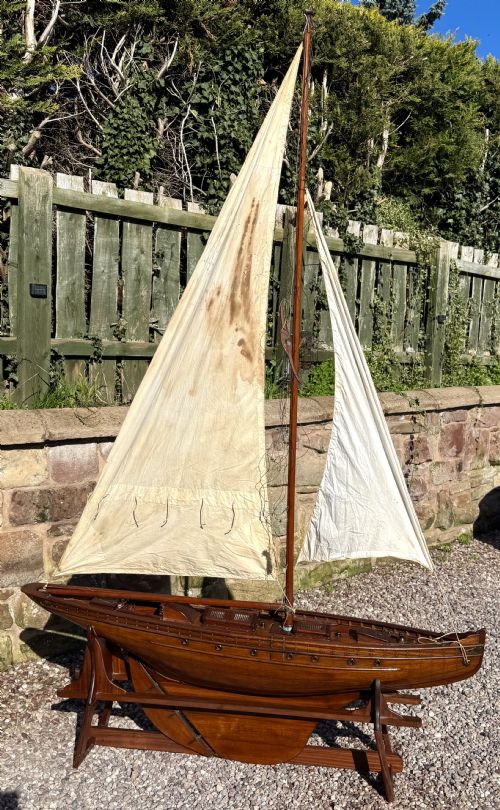
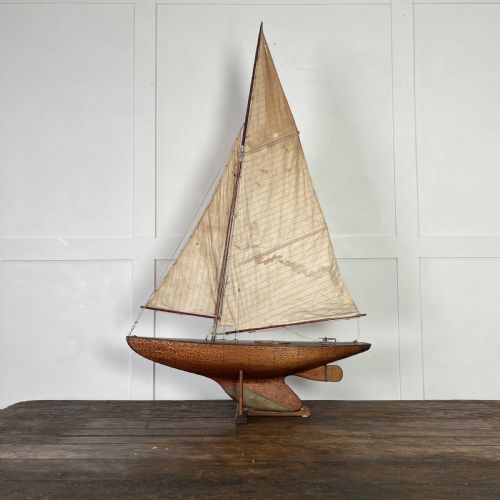
When you search for an antique sailing model, you encounter a diverse range of maritime pieces including shadow box dioramas, ships in bottles, and large pond yachts. The most common variations on this page are nineteenth-century wooden dioramas and early twentieth-century scratch-built pond yachts with canvas sails and metal rigging.
Makers ranged from folk artists and training workshops to individuals building scale models of specific vessels like the Glynllifon or HMS Daedalus. Objects stretch from simple decorative carvings to fully rigged racing yachts and cased scenes depicting vessels at sea.
Dioramas frame maritime subjects behind glass, often combining painted seascapes with wooden hulls and thread rigging, while pond yachts are designed for freestanding display on custom stands.
Materials and construction methods
Construction relies primarily on wood, carved and shaped into carvel hulls or solid bodies, augmented by canvas, thread, and paint to render sails, water, and rigging. Many pieces incorporate glass cases or bottles to protect the delicate internal components from dust and damage.
Makers utilised brass fittings, plaster, and occasionally straw work to add detail and texture to maritime shadow boxes and folk art displays. Scratch-built models demonstrate traditional hand-tool techniques, reflecting the vernacular skill of nineteenth and early twentieth-century makers.
Antique Sailing Model Retail Price Guide 2026
Typical asking prices for sailing model among the pieces listed under this phrase on Sellingantiques today, from the lower quarter to the upper quarter. They describe what is for sale here now, not the wider market.
Current listings span the nineteenth century through the 1930s, featuring wood, glass, canvas, and brass across both folk art and scale formats.
Assessing quality in maritime models
Quality rests in the precision of the rigging, the fidelity of the hull's scale construction, and the preservation of original painted or varnished surfaces. Scratch-built examples that maintain their original canvas sails and glass cases command greater interest than heavily restored alternatives.
Folk art charm also influences standing; naïve works with original character differ distinctly from precise scale training models, yet both require careful balance between the wooden vessel and its surrounding display context.
The Antique Sailing Model Glossary
- Diorama
- A three-dimensional scene enclosed in a glass-fronted case or shadow box, depicting ships racing or navigating painted seas.
- Pond yacht
- A large model sailing boat built for outdoor sailing on lakes and ponds, typically featuring a wooden hull and lead keel.
- Carvel hull
- A boat building method where hull planks are laid edge-to-edge flush against a supporting frame.
- Barque
- A sailing vessel with three or more masts having square-rigged sails on the forward masts and fore-and-aft sails on the aft mast.
- Scratch-built
- A model constructed entirely from raw materials by hand rather than assembled from a commercial kit.
Antique Sailing Model: Frequently Asked Questions
What is an antique sailing model?
These pieces comprise nineteenth and early twentieth-century wooden watercraft, shadow box dioramas, and bottled ships built by folk artists, sailors, and model makers.
They reflect historical maritime traditions, ranging from working training models to large pond yachts intended for leisure sailing.
How were pond yachts used?
Pond yachts were sailed actively on park lakes and ponds by enthusiasts who tuned their sails to navigate across the water without remote control.
After use, many were displayed indoors on wooden stands as decorative objects within domestic interiors.
How do I date a ship diorama?
Dating relies on the style of the case, the materials used for the painted backdrop, and the specific rigging details characteristic of nineteenth or early twentieth-century construction.
Inscribed names of real vessels or documented historical scenes also provide a firm chronological anchor.
How should I display a cased model?
Cased models and shadow boxes require stable indoor environments away from direct sunlight to protect fragile canvas sails, thread rigging, and painted plaster seascapes.
Freestanding pond yachts need secure floor stands to support their substantial weight and height safely.