


Antique Rustic Seat
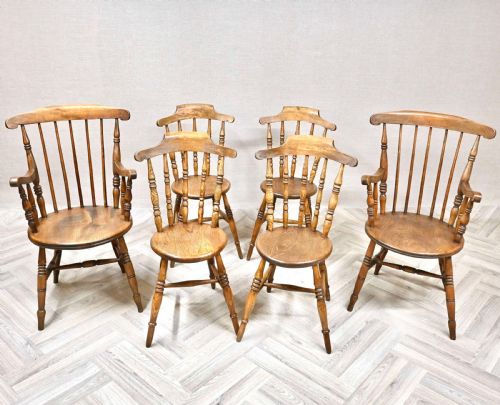
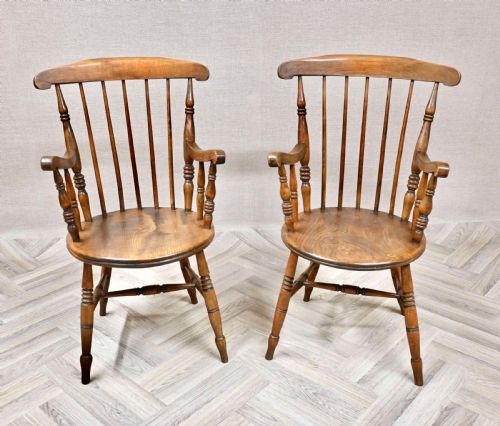
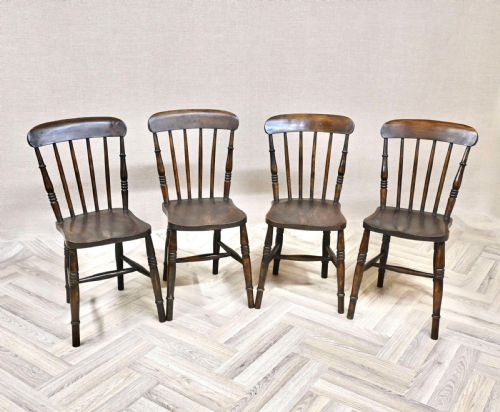
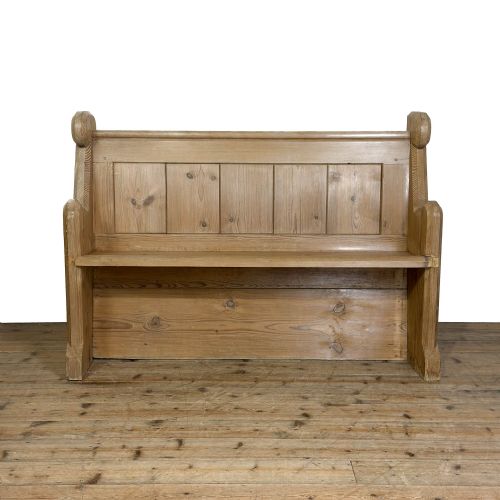
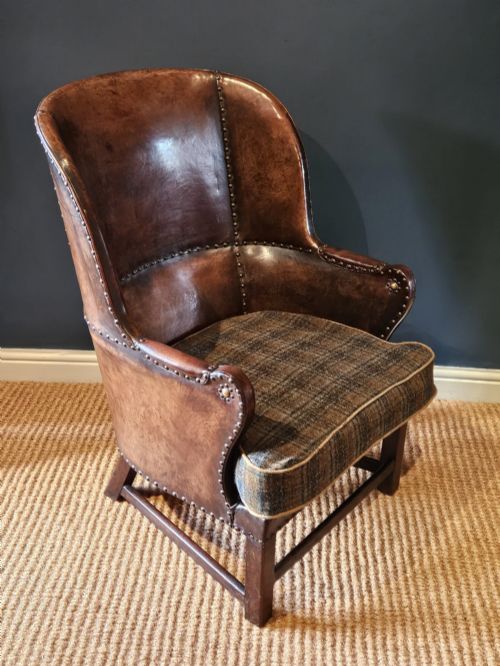
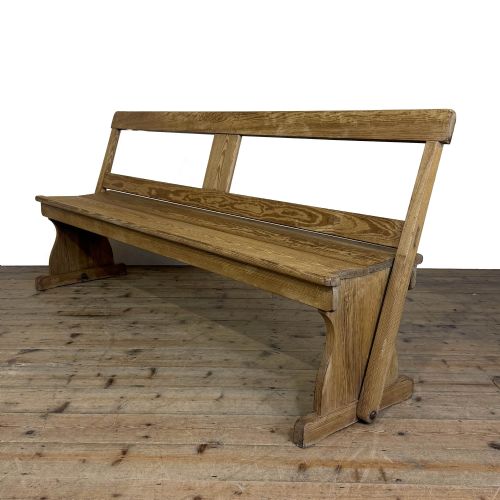
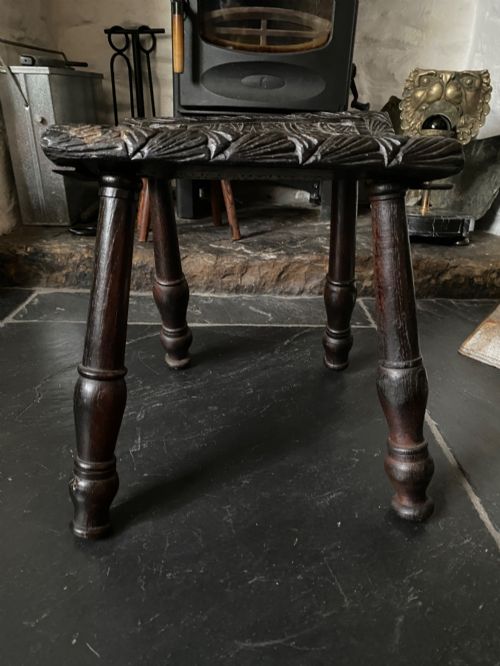
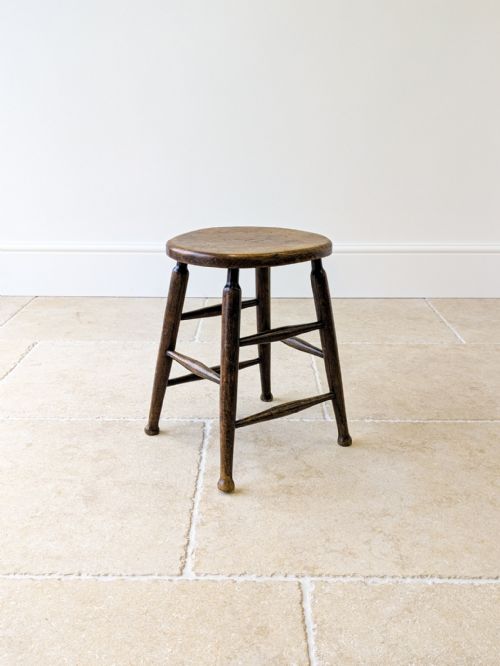
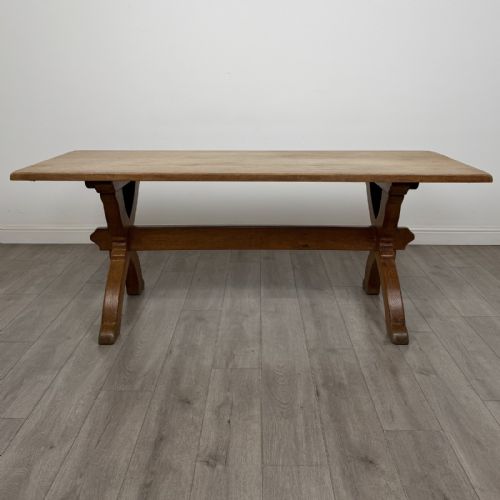
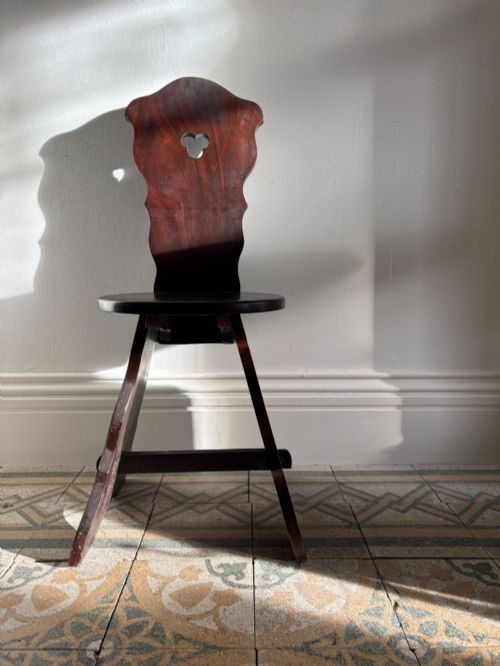
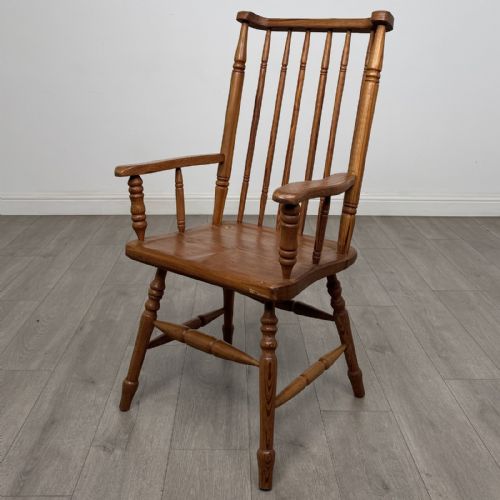
These pieces of antique rustic seat encompass robust wooden benches, settles, Windsor chairs and simple stools shaped by vernacular hands across centuries.
Antique Rustic Seat
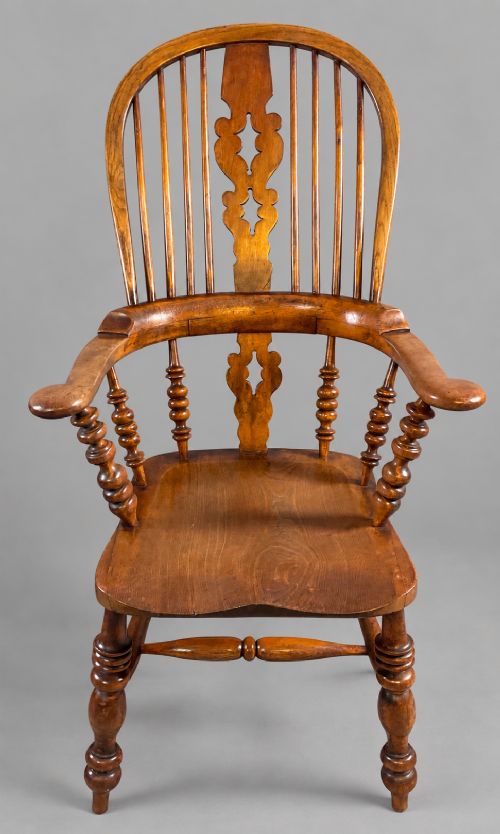
The most common examples on this page are nineteenth-century Windsor chairs and farmhouse seating alongside eighteenth-century oak settles and joint stools. English country examples dominate, though French, Austrian, Bavarian and Spanish regional pieces also appear alongside cast iron garden benches.
Forms range from single stools and armchairs up to large multi-seater settles, tavern benches and church pews. Many pieces combine multiple domestic timbers in a single frame, reflecting the resourceful traditions of local rural joinery.
Materials and construction methods
Makers utilised local hardwoods and softwoods including oak, elm, beech, ash, pine and walnut, frequently combining timbers within a single piece to suit structural demands. Elm provided durable, split-resistant seats while ash and beech offered flexible strength for spindles, legs and bentwood hoops.
Traditional construction relies on solid board seats, pegged joints, turned supports and wedged tenons rather than complex machinery. Simple paint finishes, rush seating, brass studding and occasional polychrome decoration appear on specific regional and vernacular examples.
Antique Rustic Seat Retail Price Guide 2026
Typical asking prices for rustic seat among the pieces listed under this phrase on Sellingantiques today, from the lower quarter to the upper quarter. They describe what is for sale here now, not the wider market.
One remarkably honest nineteenth-century survivor doubles as a barge box seat, proving our ancestors stored their belongings directly beneath their posteriors.
Distinctions in quality and execution
Quality rests in the integrity of the timber, the balance of the proportions and the honesty of the construction. Superior examples display thick, well-figured solid board seats and clean turning on legs and spindles that survive centuries of daily use without excessive replacement parts.
Finer pieces maintain their original surface patination, whether through bare waxed grain or early layers of paint. Lesser examples suffer from inappropriate modern repairs, excessive sanding that strips character, or weakened joints where dissimilar woods have shifted unevenly over time.
The Antique Rustic Seat Glossary
- Settle
- A high-backed wooden bench with solid sides designed to shield occupants from draughts in domestic halls and taverns. They frequently feature box bases or panelled backs.
- Windsor chair
- A chair constructed with a solid wooden seat into which the legs and back spindles are separately bored and wedged. Regional variants include hoop backs, stick backs and lath backs.
- Joint stool
- A low wooden stool built with pegged mortise and tenon joints by traditional joiners rather than carpenters. They served as versatile seating and occasional tables in early households.
- Penny seat
- A saddle-shaped wooden seat dished out with a adze or gouge to improve comfort. The term often describes specific regional Windsor kitchen chairs.
- Lancashire ladderback
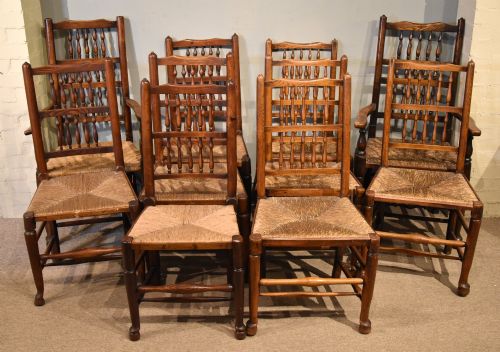
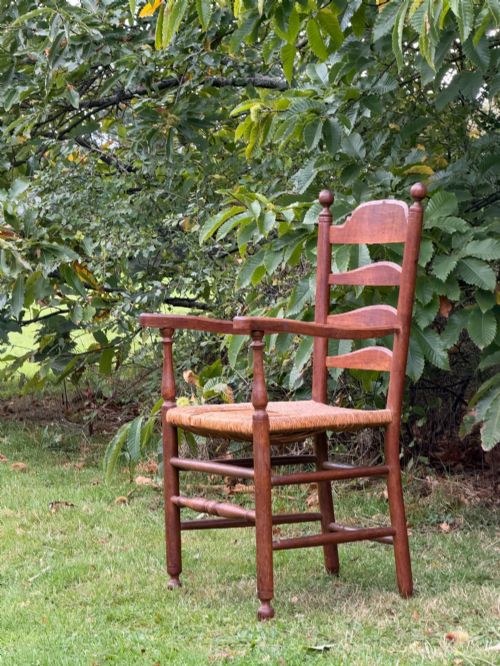
- A tall dining chair featuring horizontal arched slats across the back frame. These chairs commonly utilise rush seats and turned uprights.
Antique Rustic Seat: Frequently Asked Questions
What is an antique settle?
An antique settle is a high-backed wooden bench traditionally placed near fireplaces to block cold draughts. They often incorporate enclosed storage beneath the seat or feature solid panelled construction.
Most surviving examples date from the eighteenth and nineteenth centuries in oak or pine. They served as communal seating in taverns, farmhouses and cottages.
How do I identify a Windsor chair?
A Windsor chair is distinguished by its distinct construction method where legs and back spindles fit directly into holes bored through a thick solid wooden seat. They lack a traditional framed carcass.
Common styles include hoop back, comb back and stick back variations. Makers often combined ash, elm and beech in a single chair.
Where were rustic benches used?
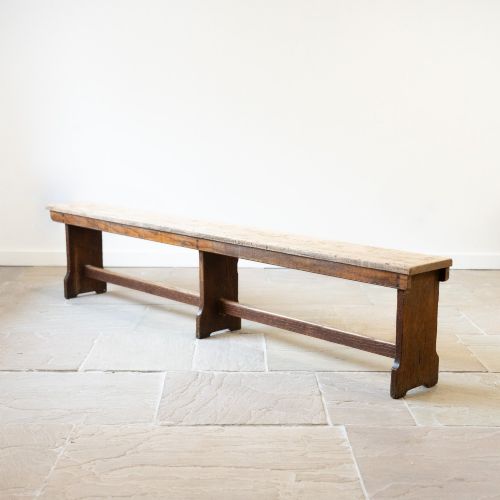
Rustic benches found placement in farmhouse kitchens, hallways, gardens, churches and rural taverns. Long tavern benches and church pews accommodated multiple sitters.
Garden variants utilised cast iron and timber to withstand outdoor exposure. Smaller stools and settles served versatile domestic tasks near hearths.
How do I care for old wooden seats?
Old wooden seats require stable indoor humidity away from direct heat sources to prevent timber splitting and joint shrinkage. Gentle cleaning with a soft cloth and occasional application of traditional wax helps preserve the surface patination.
Avoid harsh modern chemical polishes that strip historical finishes. Check structural pegging periodically without attempting aggressive mechanical restoration.