








Antique Rural River Paintings
These antique rural river paintings capture pastoral waterways, working figures, and tranquil riverbanks across the nineteenth and twentieth centuries.
Antique Rural River Paintings
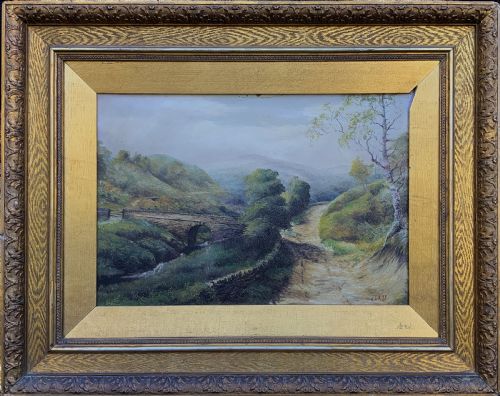
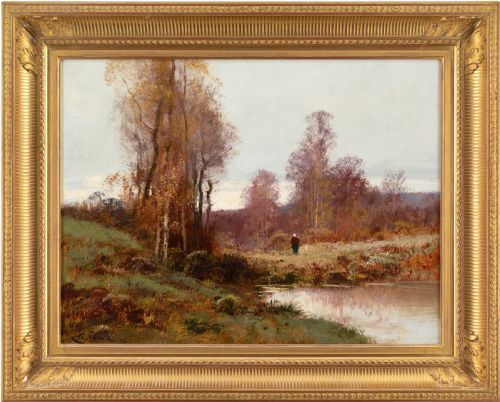
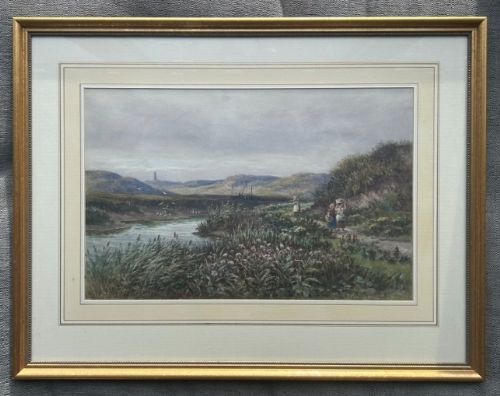
When searching for antique rural river paintings, collectors encounter framed artworks depicting countryside streams, rivers, and fenlands populated by fishermen, children, or farmworkers. These pieces span the Victorian, Edwardian, and early twentieth-century periods, capturing traditional pastoral life along British and continental waterways.
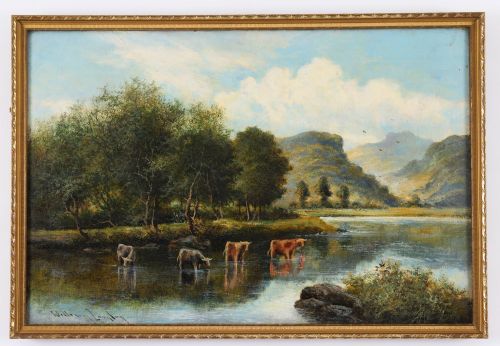
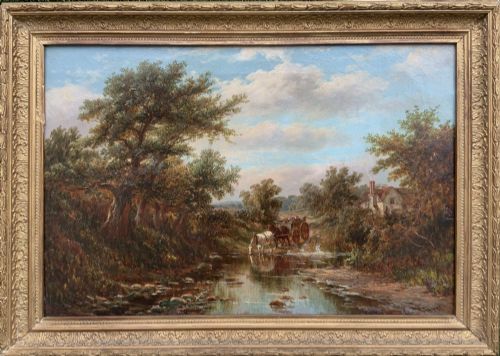
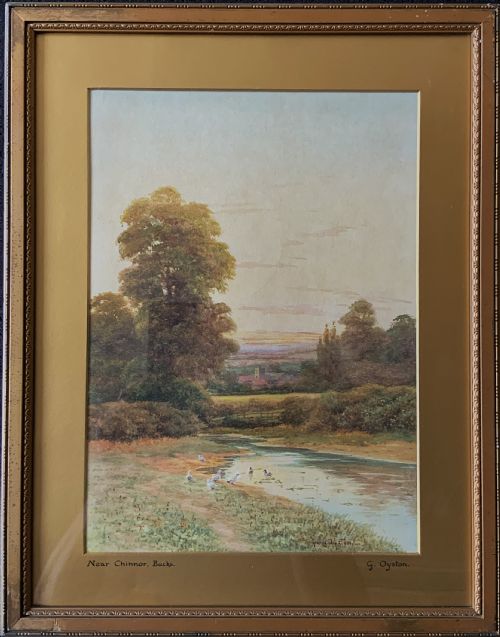
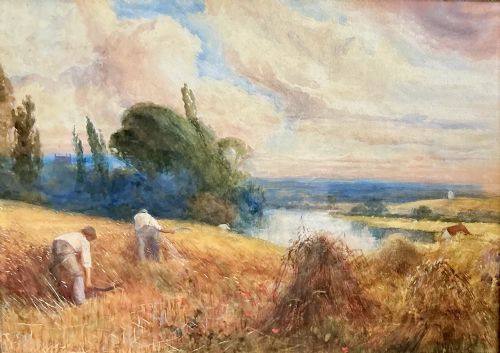
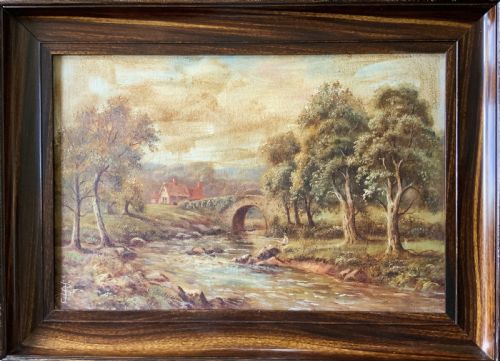
The version most commonly met on this page is the traditional British landscape rendered in watercolour on paper or oil paint on canvas. Many feature cottages, bridges, or harvesting figures beside gentle streams, reflecting the period's deep aesthetic interest in rustic tranquility.
Materials and Techniques
The works rely primarily upon oil paint on stretched canvas or wood panels, alongside delicate watercolours laid down on paper. Gilt wood framing often encloses these pieces, preserving the painted surface beneath glass where watercolours are concerned.
Artists employed traditional brushwork and layering techniques to build natural light and depth across the landscape. The application of oil allows for rich tonal gradations in water and foliage, while watercolour wash creates luminous skies and translucent river surfaces.
Antique Rural River Paintings Retail Price Guide 2026
Typical asking prices for rural river paintings among the pieces listed under this phrase on Sellingantiques today, from the lower quarter to the upper quarter. They describe what is for sale here now, not the wider market.
Materials documented across the collection include oil paint on canvas, watercolour on paper, and gilt wood frames.
Factors of Artistic Merit
Quality rests significantly upon the artist's ability to handle natural light and atmospheric perspective across the water. Superior examples demonstrate confident brushwork, balanced composition, and a harmonious palette rather than stiff mechanical reproduction.
The inclusion and execution of human or animal figures also distinguishes finer works from standard decorative landscapes. Well-rendered figures engaged in rural tasks add narrative depth and compositional vitality to the riverbank setting.
George Graham·George Oyston·Frederick Hines·Sydney Yates Johnson·John Horace Hooper·Charles Clair·Colin H Greenwood·Robert Winchester Fraser·William Joseph Boyes·William Langley·William Manners·Thomas James Lloyd·Gudrun Sibbons·Abraham Hulk Junior·Harry Pennell·William Hoggatt·Thomas Pyne·William Sidney Cooper·Alois Arnegger·George Turner·Henry John Sylvester Stannard·Sir Ernest Albert Waterlow·Henry John Kinnaird·Henry H Parker·William Stephen Coleman
The Antique Rural River Paintings Glossary
- Canvas
- A heavy woven fabric stretched across a wooden frame to serve as a support for oil paint. It provides a textured surface that holds thick impasto and delicate glazes alike.
- Watercolour
- A paint consisting of pigment suspended in a water-based solution, applied to paper. This medium produces translucent washes that capture soft daylight and watery atmospheres.
- Wood Panel
- A rigid flat wooden support utilised in place of canvas for oil paintings. These panels offer a stable ground that prevents the cracking often found on aged fabric supports.
- Gilt Wood
- Timber framing coated with a thin layer of gold leaf or metallic gilt paint. Such frames enhance the visual weight and period authenticity of nineteenth-century fine art.
Antique Rural River Paintings: Frequently Asked Questions
What periods do these river paintings come from?
The selections predominantly date from the nineteenth and early twentieth centuries, encompassing Victorian, Edwardian, and post-impressionist movements. Pieces range from mid-Victorian watercolours to interwar oils.
Specific dates within titles often point to the active years of the artist or the exact decade of composition. This historical span records changing British and European attitudes toward the countryside.
How were these artworks traditionally displayed?
Most pieces were originally commissioned or purchased for domestic interior display within formal parlours and drawing rooms. Ornate gilt wood frames were standard practice to elevate the status of the landscape.
Today, these frames continue to provide structural protection while complementing the traditional tones of the canvas or paper within.
How can I tell watercolours and oil paintings apart?
Watercolour works are executed on paper and almost invariably displayed behind protective glass to prevent moisture damage. They exhibit a translucent quality where the white of the paper illuminates the pigment.
Oil paintings utilise canvas or wood panels with thicker, opaque paint layers that reflect light directly from the textured surface. Oils rarely require glass framing, relying instead on heavy varnish for preservation.
What subjects typically appear besides rivers?
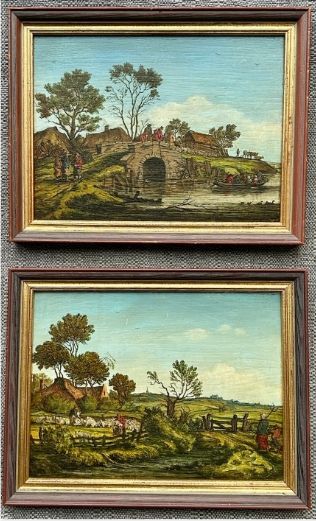
Artists frequently integrated rural architecture such as country cottages, stone bridges, and watermills alongside the main river course. Figures engaged in fishing, harvesting, or boating often animate the foreground.
Cattle, livestock, and horse-drawn carts crossing shallow fords also appear regularly in these pastoral compositions. These elements ground the landscape in daily nineteenth-century rural existence.