

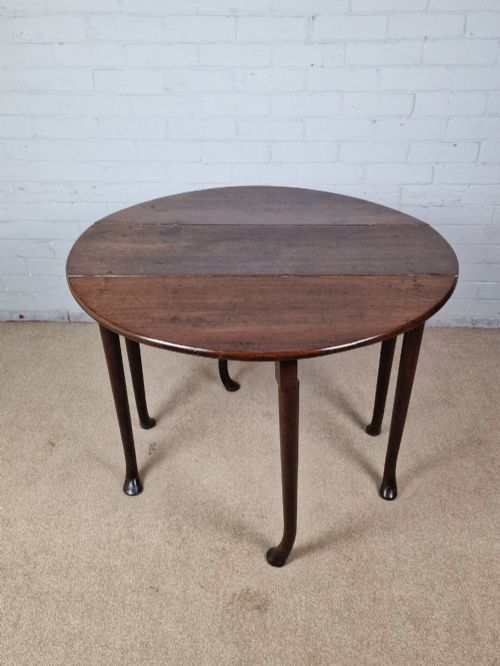


Antique Round Drop Leaf
These antique round drop leaf tables offer practical folding surfaces spanning centuries of cabinetmaking skill.
Antique Round Drop Leaf
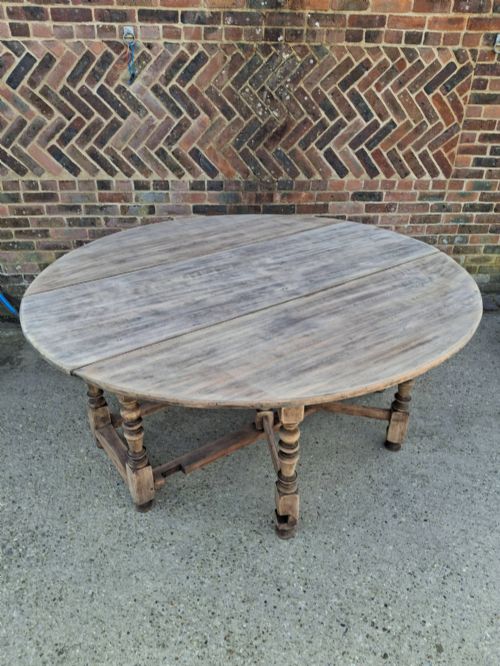
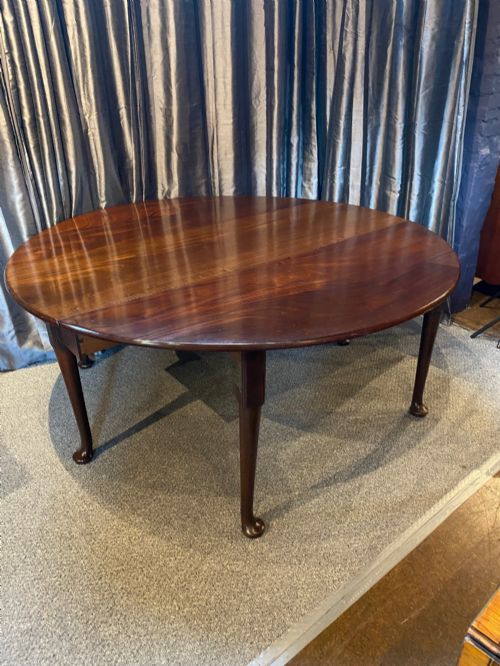
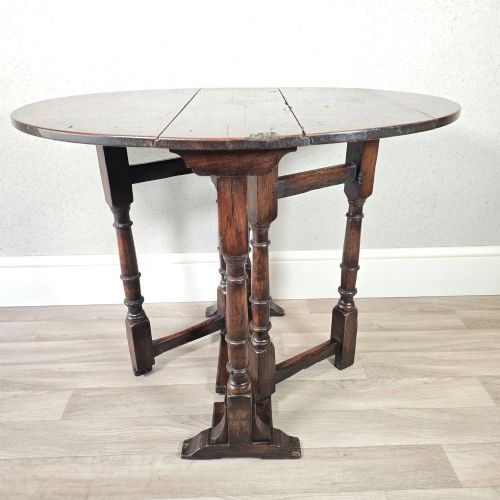
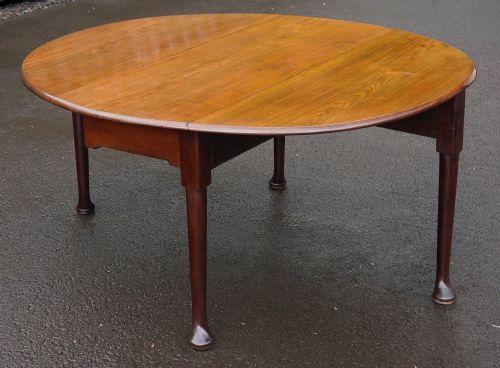
An antique round drop leaf table provides a versatile surface that expands using hinged flaps supported by swing legs or gates. When searching for an antique round drop leaf, you encounter versatile gateleg dining tables alongside smaller occasional and coffee tables designed for compact spaces.
The selections span various periods including the eighteenth century, Georgian era, and nineteenth century, alongside later revival pieces. Oak and mahogany dominate the offerings, occasionally supplemented by elm and cherrywood.
Forms range from large dining tables seating multiple people down to smaller side tables and coffee tables. These pieces served practical domestic functions in kitchens, parlours, and dining rooms, adapting easily to changing spatial needs.
Factors that separate different examples
The grade of timber used for the top and base dictates much of the visual character, with carefully selected grain patterns elevating an ordinary piece. Figured mahogany or well-figured oak displays a superior warmth and depth compared to plain utility timber.
Execution of the turning on legs, such as crisp barley twists or well-proportioned pad feet, reflects the maker's competence. Smooth operation of the folding leaves and the stability of the supporting gate legs demonstrate sound construction.
Antique Round Drop Leaf Retail Price Guide 2026
Typical asking prices for round drop leaf among the pieces listed under this phrase on Sellingantiques today, from the lower quarter to the upper quarter. They describe what is for sale here now, not the wider market.
Some tables hide their folding flaps so neatly you might sit down for tea before realising the furniture has extra wings.
Balbiani Brookley
The Antique Round Drop Leaf Glossary
- Gateleg table
- A table with hinged leaves supported by legs that swing outward like a gate to hold the flaps aloft. This clever design allows a large surface area to fold down compactly.
- Pad foot
- A simple foot shape where the base of the leg rests on a flattened, pad-like terminal. It appears frequently on Georgian and eighteenth-century furniture.
- Barley twist
- A spiral turning carved into furniture legs, resembling a twisted strand of barley. This decorative feature became popular during the seventeenth century and saw revivals later.
- Drop-leaf
- A table construction featuring a fixed centre section and movable flaps hinged on either side. These flaps drop down when the extra surface is unneeded.
- Demi-lune
- Half-moon shaped furniture ends or tables that can be placed against walls or joined to other sections. Georgian dining tables often utilised these curved ends.
Antique Round Drop Leaf: Frequently Asked Questions
How do I use a drop leaf table daily?
Keep the leaves dropped against the sides to save floor space in smaller rooms, raising them only when you need extra surface area for dining or working. The hinged flaps lift smoothly and rely on swing legs to hold them steady.
Ensure you place the table where the swinging gate legs have adequate clearance to open fully without obstruction. Treating the timber surface with appropriate care preserves the finish through everyday use.
How can I tell a Georgian table from a later revival?
Examine the timber selection, construction marks, and wear patterns to gauge the true age of a piece. Georgian examples often feature timber characteristics and joinery methods consistent with eighteenth-century workshops.
Later revival pieces built around nineteen-hundred often replicate earlier styles like Jacobean turning but utilise machine-cut elements or different finishing techniques. Comparing the patination and hardware provides further clues to dating.
What woods were commonly used for these tables?
Oak and mahogany represent the predominant timbers found across these historical periods, valued for their strength and rich grain. Earlier centuries relied heavily on sturdy oak, while later Georgian and Victorian makers favoured polished mahogany.
Some provincial pieces utilise alternative native timbers such as elm or cherrywood. Each material ages differently, developing a distinct surface patination over decades of use.
Will an antique drop leaf seat six people?
Many larger gateleg and extension versions provide ample seating for four to eight guests when fully opened. The folding leaves expand the surface perimeter significantly compared to the closed footprint.
Check the dimensions and clearance underneath the frame to ensure chairs fit comfortably beneath the top. Tables featuring extending mechanisms or multiple leaves offer the greatest flexibility for hosting.