




Antique Rouge Pot
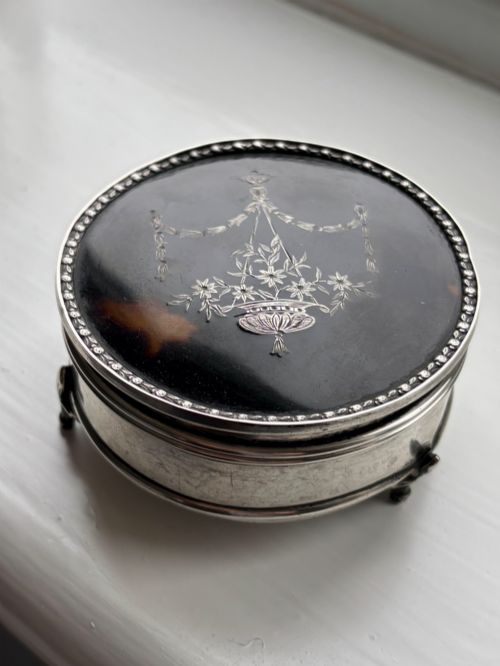
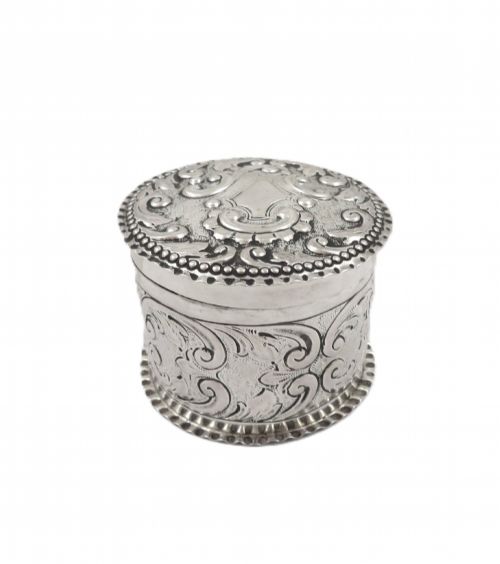
An antique rouge pot is a small lidded container for cosmetics, offering a tactile touch of dressing room history that sits easily in the palm.
Antique Rouge Pot
An antique rouge pot is a compact vanity vessel designed to hold cosmetic pigment, appearing alongside related dressing table jars, trinket boxes, and powder bowls. These small containers span the Victorian, Edwardian, and George V periods into the Art Deco era of the nineteen twenties and thirties.
The versions most frequently met on this page combine sterling silver mounts with materials such as glass, enamel, and faux tortoiseshell. Makers utilised various substances, including agate, marble, and hardwood, to fashion these desktop and dressing table accessories.
Origins range from English workshops to Chinese export pieces, alongside French bedside cabinets and jardiniere stands associated by decorative style. Buyers find both simple vanity pots and decorative pill boxes designed for the boudoir.
How they were made
Silversmiths constructed the metal mounts using sterling silver, frequently hallmarked in Birmingham or associated with firms such as Ollivant & Botsford and Hasset & Harper. These silver rims and lids secure glass, enamel, or faux tortoiseshell bodies.
Enamelling techniques, including guilloche work, provide colourful surface decoration across lids and jars, while other pieces feature carved walnut or cut glass bodies. Stonework and mineral substances like marble and agate appear shaped into small vessels and larger furniture supports.
Antique Rouge Pot Retail Price Guide 2026
Typical asking prices for rouge pot among the pieces listed under this phrase on Sellingantiques today, from the lower quarter to the upper quarter. They describe what is for sale here now, not the wider market.
Listings feature sterling silver, enamel, glass, marble, and faux tortoiseshell across Victorian, Edwardian, George V, and Art Deco periods.
What varies in quality
The distinction between standard items and finer examples rests upon the crispness of the silver hallmarking, the weight of the glass or stone, and the preservation of delicate enamel surfaces. Maker attribution to known firms adds discernible weight to an individual piece.
Material selection dictates much of the character, where solid hardwoods, unblemished agate, and intricate guilloche patterns separate basic containers from more ambitious dressing table accessories.
Ollivant & Botsford·Hasset & Harper
The Antique Rouge Pot Glossary
- Guilloche enamel
- A decorative technique involving precise mechanical engraving beneath translucent enamel layers. This method produces repeating geometric patterns that catch the light.
- Sterling silver
- An alloy consisting of silver and other metals, standard for quality British mounts and tableware. It carries official hallmarks indicating the assay office and year.
- Faux tortoiseshell
- A manufactured material created to imitate the appearance of natural shell. It was widely used in Edwardian and George V dressing table sets.
- Chinese export
- Items manufactured in China specifically for Western markets. These objects often blend traditional Eastern materials with European forms.
Antique Rouge Pot: Frequently Asked Questions
What is an antique rouge pot?
An antique rouge pot is a small lidded container designed to hold cosmetic powder or cream on a dressing table. They are typically made from materials like silver, glass, and enamel.
These pieces date from the Victorian period through to the Art Deco era of the nineteen thirties. They reflect the personal grooming habits of past decades.
How were rouge pots used?
These pots sat upon dressing tables, vanity units, and washstands alongside powder bowls and trinket boxes. They held coloured cosmetics used for facial makeup.
The secure lids kept the contents clean from dust while offering decorative appeal in private bedchambers and boudoirs.
How do I date these pots?
Dating relies heavily on silver hallmarks stamped onto the metal mounts, which indicate the exact year and assay office. Stylistic clues such as Art Deco geometric lines or Victorian ornamentation also help place an object in time.
Materials like faux tortoiseshell and guilloche enamel point towards specific decades in the early twentieth century.
How do I care for silver and enamel?
Silver mounts require gentle cleaning with a soft cloth to maintain the metal without harming adjacent enamel or glass surfaces. Abrasive polishes should be kept away from decorated lids.
Store these small vessels away from direct sunlight and damp conditions to preserve the integrity of both the metal and the decorative inserts.