

Antique Rosewood Shelf
An antique rosewood shelf brings deep, figured timber and structured tiered storage into a room, spanning forms from hanging display units to open bookcases.
Antique Rosewood Shelf
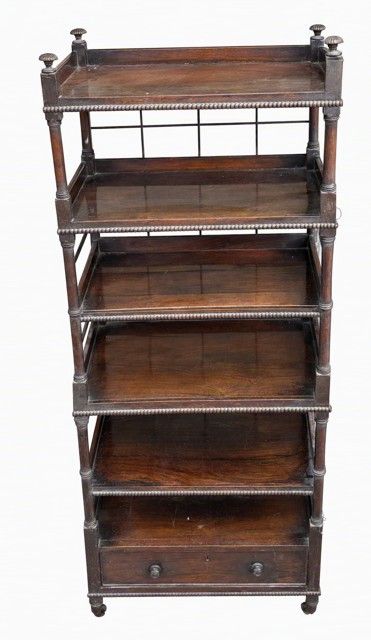
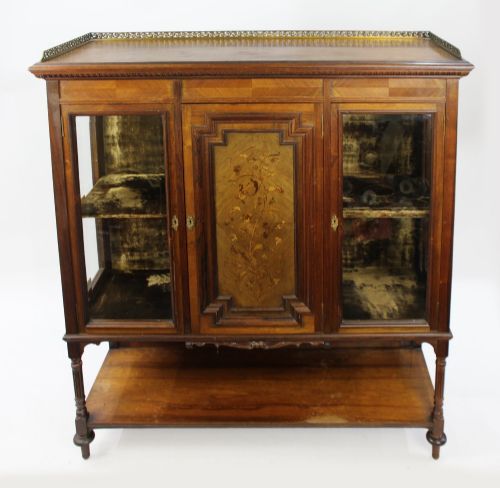
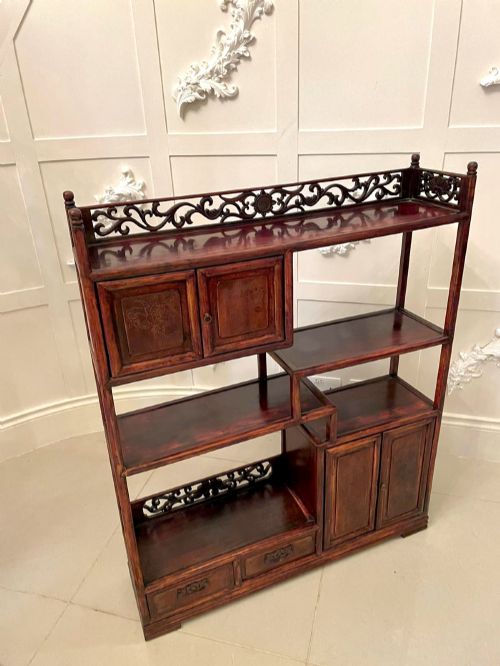
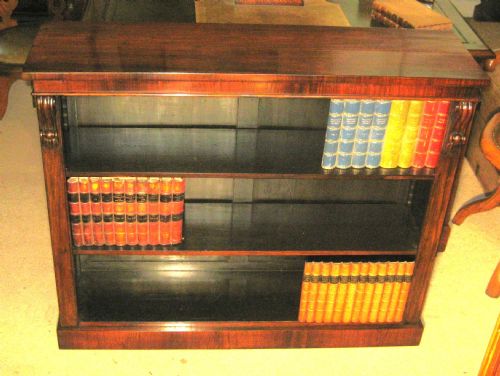
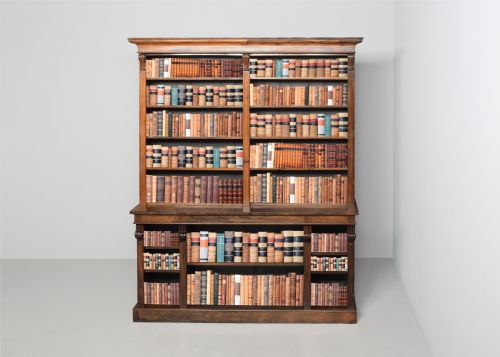
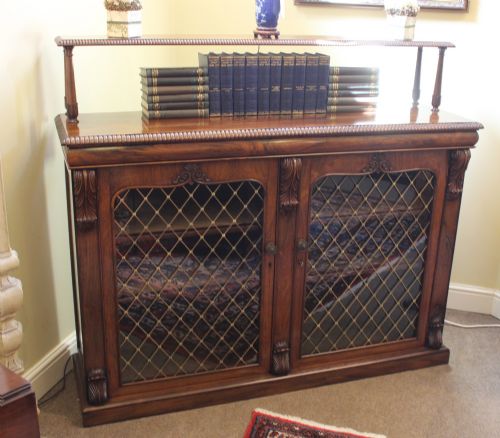
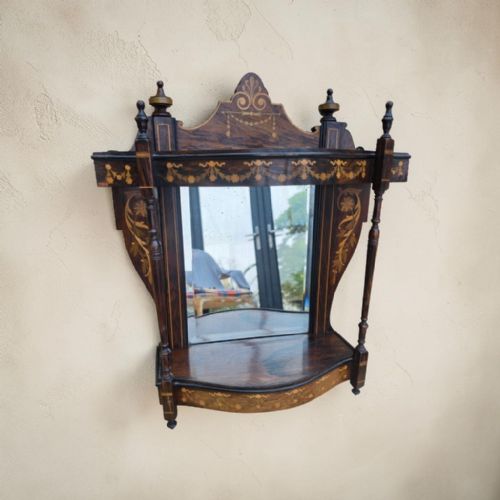
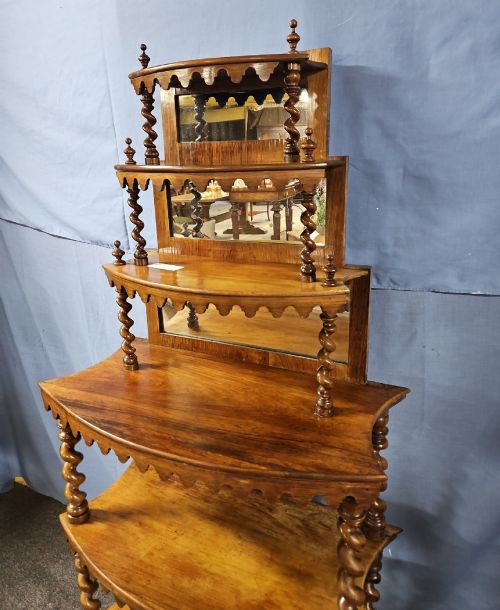
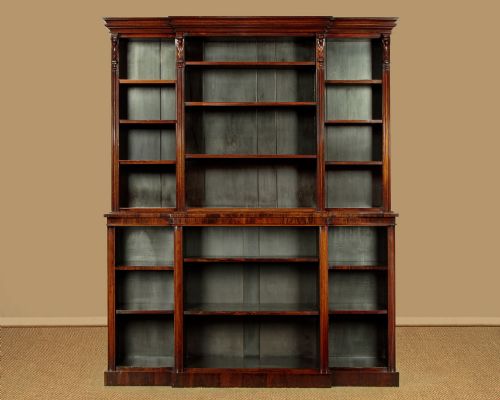
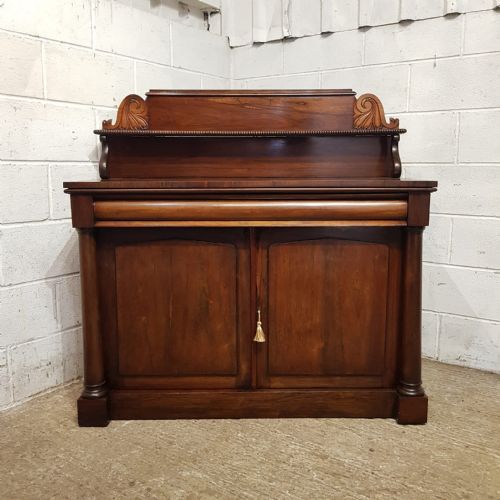
An antique rosewood shelf encompasses tiered display pieces, open bookcases, and wall-mounted storage forms rooted primarily in the Regency, Victorian, and Georgian periods. Buyers searching this phrase meet multi-tiered whatnots, side cabinets, and architectural open bookcases constructed to display volumes or decorative objects.
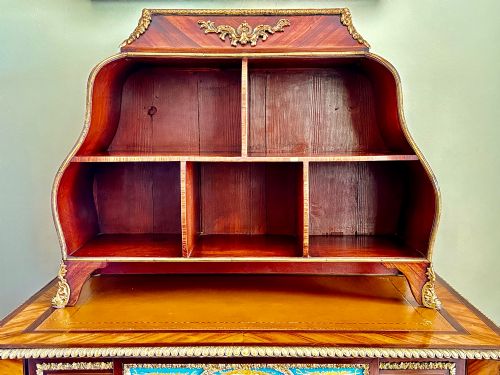
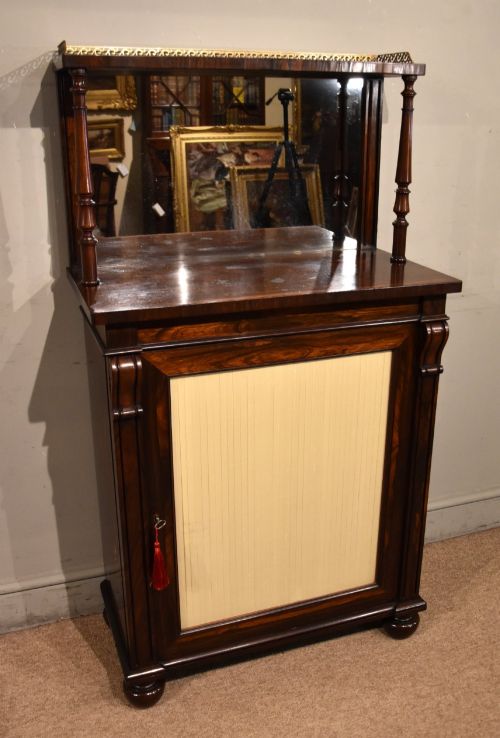
The material vocabulary ranges from solid rosewood to rosewood veneer applied over secondary timbers like pine, occasionally incorporating mirror glass, brass, and ormolu mounts. Pieces vary from compact wall-hanging corners to substantial breakfront bookcases and central standing buffet shelves.
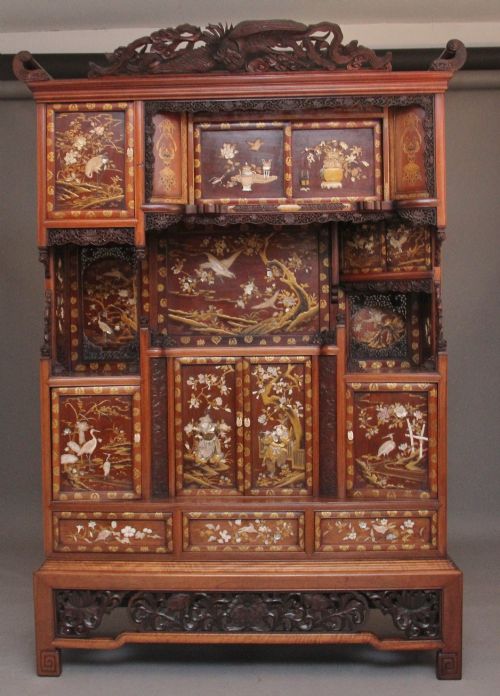
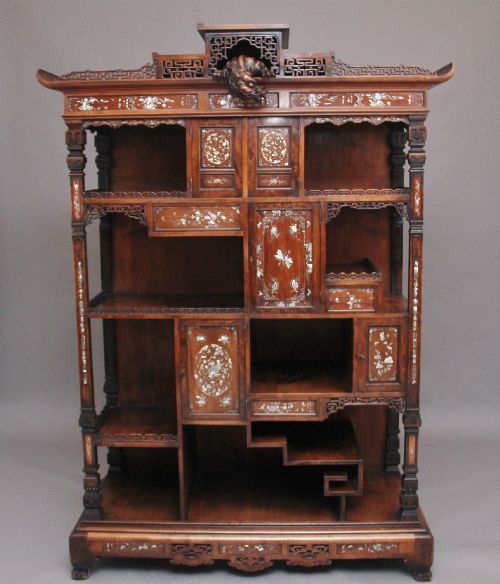
Stylistic influences stretch from English cabinet-making traditions to French Louis XV and Louis XVI revivals, alongside Chinese Qing and Meiji period interpretations. The common thread remains the dense, richly grained rosewood substrate that defines the visual weight of each shelf and cabinet.
How they were made
Cabinet-makers utilised dense rosewood timber and fine rosewood veneers applied over secondary carcase woods such as pine, often pairing the dark grain with brass inlay, ormolu mounts, or glass panels. Construction methods relied on traditional joinery to support tiered shelves, drop drawers, and glazed vitrine sections.
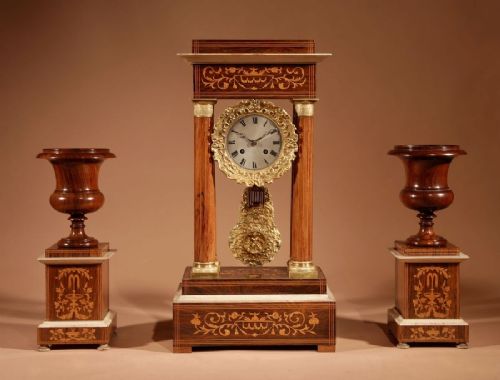
Surface finishing relied on hand-polishing techniques that emphasised the natural oils and contrasting dark figures within the rosewood. Decorative additions included carved corbels, satinwood and kingwood marquetry, and adjustable shelving mechanisms seen in Regency and Victorian workshops.
Listings feature rosewood furniture spanning the Georgian, Regency, and Victorian eras, alongside Edwardian and French revival styles.
What varies in quality
Quality rests upon the selection and matching of the rosewood grain across prominent surfaces, alongside the crispness of brass inlay, carved corbels, or ormolu mounts. Pieces built with solid rosewood or thick, well-figured veneers demonstrate superior cabinet-making ambition compared to simpler veneered carcases.
Structural integrity reveals itself in the stability of tiered whatnots, the smooth operation of drawers, and the precision of adjustable shelving systems. The sophistication of secondary details, such as marquetry inlays or integrated mirror glass, separates standard utility furniture from exceptional workshop productions.
Robert Strahan·Samson and Son·Seller of Reading·Gillows
The Antique Rosewood Shelf Glossary
- Whatnot
- A piece of furniture consisting of open shelves for books or ornaments, popular in the 19th century. These tiers are often supported by slender turned columns.
- Chiffonier
- A low cabinet, typically with doors enclosing shelves and sometimes topped with a raised shelf or mirror. They served functional storage roles in Victorian and Regency interiors.
- Ormolu
- Gilt bronze mounted onto furniture as decorative embellishment. It provides bright metallic contrast against dark rosewood surfaces.
- Marquetry
- Decorative veneer work forming geometric or floral patterns using various coloured woods. It appears on sophisticated French and English cabinets.
- Corbel
- A projecting bracket of wood supporting a shelf or super-structure. They are frequently carved with scroll or acanthus leaf motifs.
Antique Rosewood Shelf: Frequently Asked Questions
How were antique rosewood shelves used?
These pieces served practical storage and display functions in Victorian and Regency drawing rooms, libraries, and bedrooms. They held portable libraries, decorative ceramics, and personal keepsakes.
Larger bookcases accommodated bound volumes on adjustable shelves, while multi-tiered whatnots and hanging brackets elevated smaller ornaments above floor level.
Where should I place a rosewood shelf?
Rosewood pieces suit reception rooms, studies, and hallways where their dark, figured timber can anchor a room's colour scheme. Freestanding open bookcases and chiffoniers work well against principal walls.
Smaller hanging whatnots and tabletop étagères require secure wall fixings or stable chest surfaces away from direct, strong sunlight.
How do I care for rosewood furniture?
Maintain the timber by keeping pieces away from direct heat sources and rapid humidity shifts that cause wood to dry or split. Regular dusting with a soft, dry cloth preserves the polished surface.
Avoid silicone-based sprays and apply occasional specialist wax polish sparingly to nourish the rosewood grain.
How do I tell Regency from Victorian pieces?
Regency pieces often display restrained classical lines, geometric brass inlay, and light proportions dating from the early 19th century. They reflect architectural influences of the period.
Victorian examples tend to feature heavier proportions, darker finishes, carved corbels, and more elaborate decorative motifs such as applied marquetry or mirror glass.