

Antique Rosewood Lamp
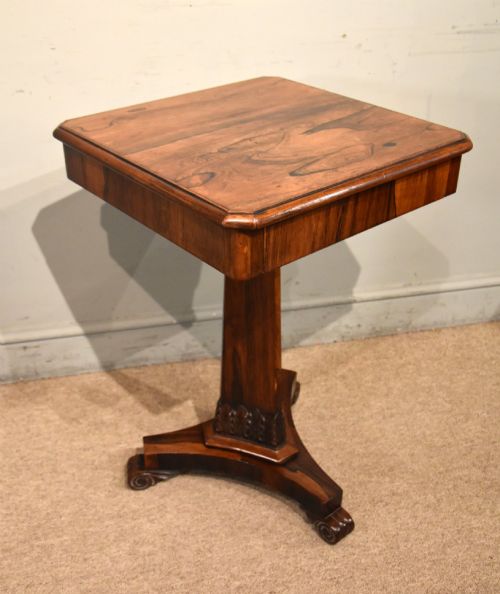
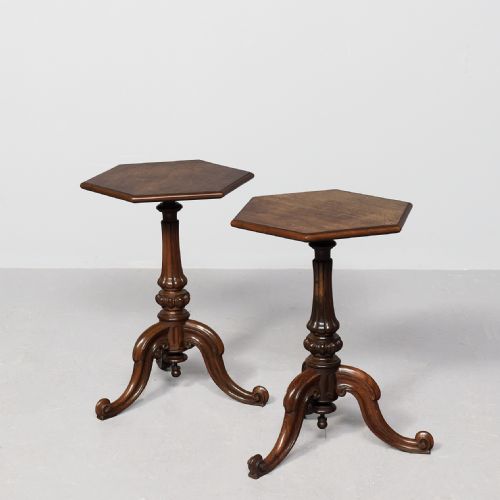
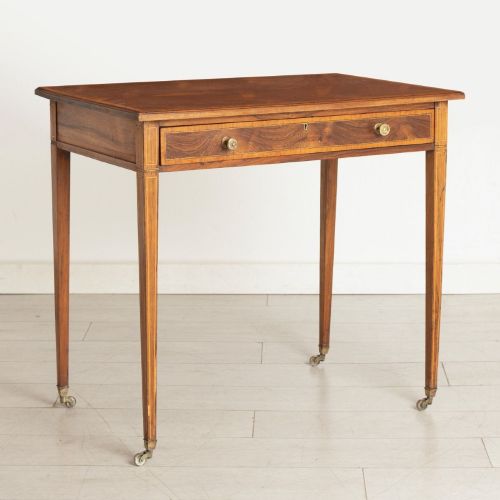
An antique rosewood lamp table offers a dense, richly figured timber surface that anchors a room and supports a lighting source with period character.
Antique Rosewood Lamp
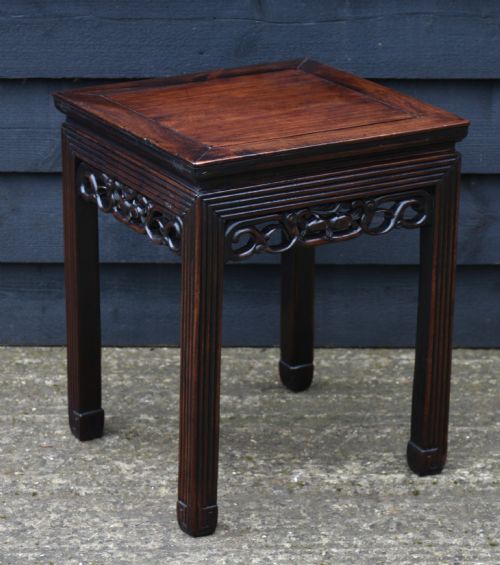
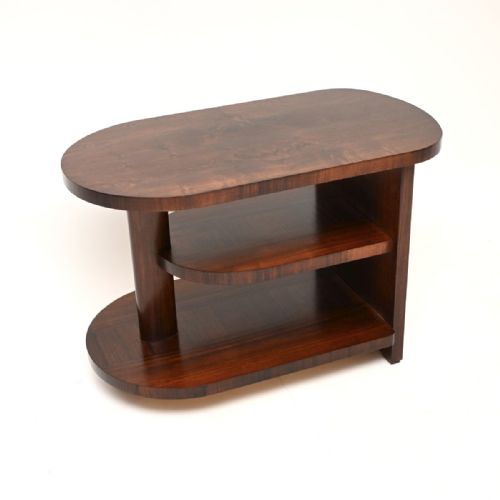
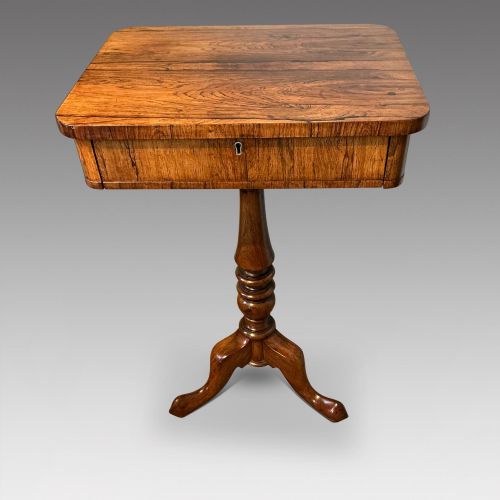
When searching for an antique rosewood lamp piece, buyers encounter a variety of low tables, occasional pieces, and specialised stands designed to hold lighting in sitting rooms and parlours. The selection spans distinct eras, from Regency and William IV examples through Victorian, Edwardian, and later periods, reflecting changing domestic interiors.
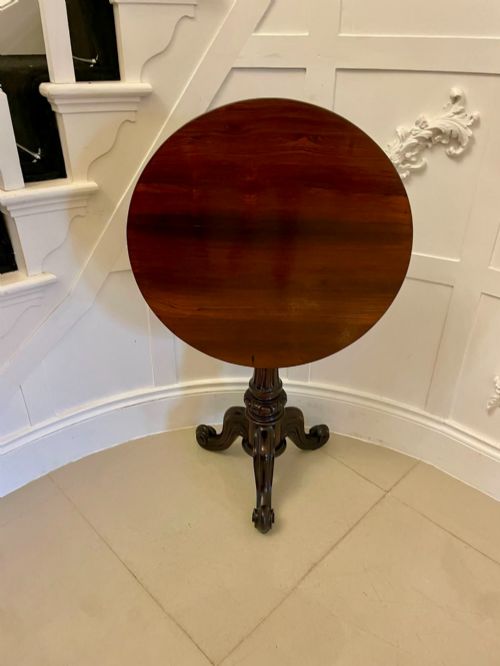
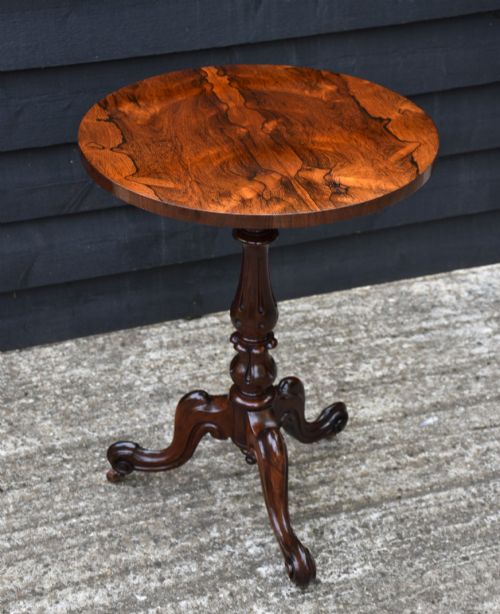
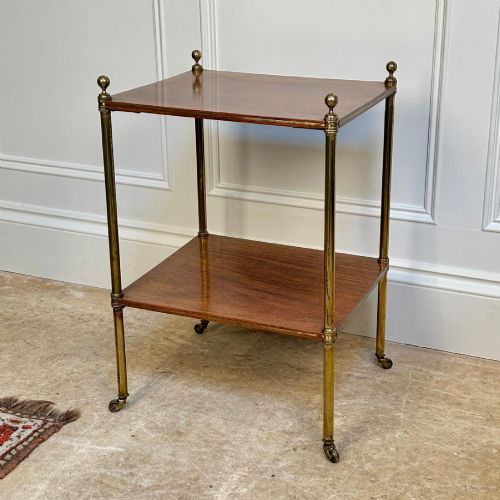
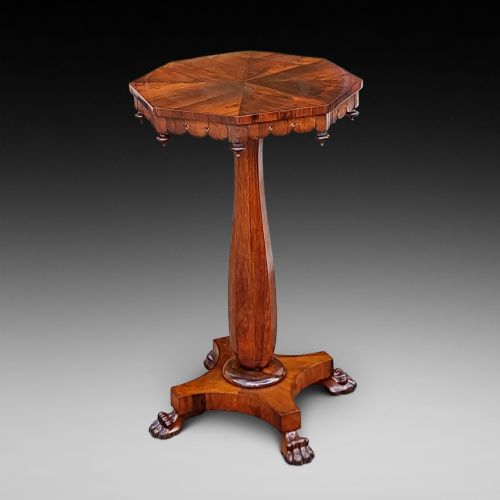
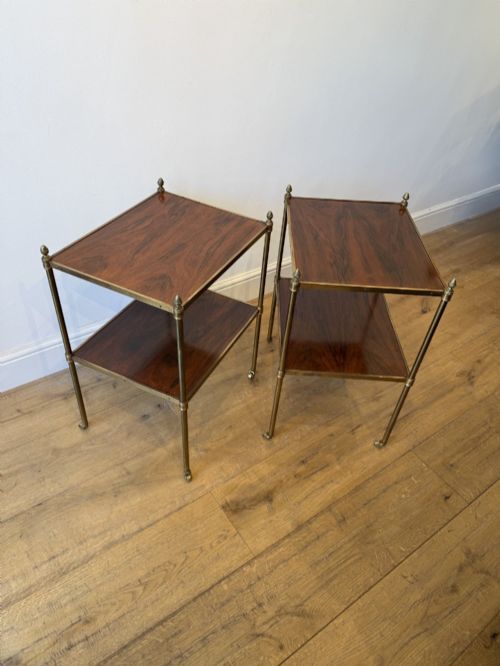
Circular lamp tables predominate among the archived and current pieces, often featuring tripod bases or central pedestals. Alongside these round formats, side tables, quartetto sets, and multi-tiered etageres appear frequently, showing the flexibility of nineteenth and early twentieth-century cabinet work.
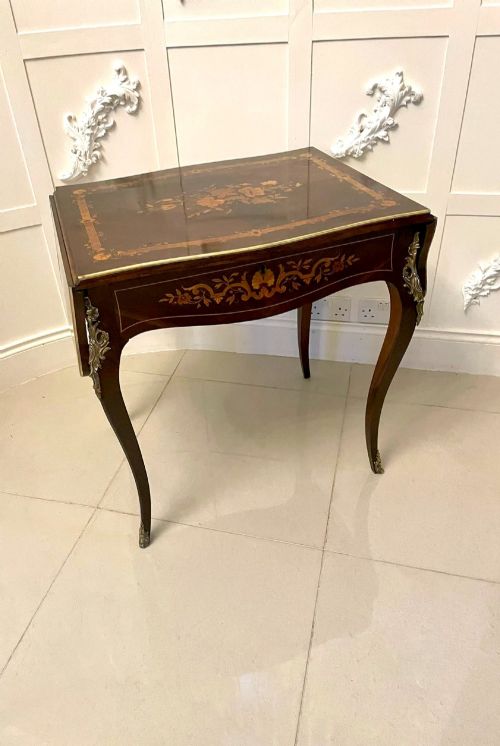
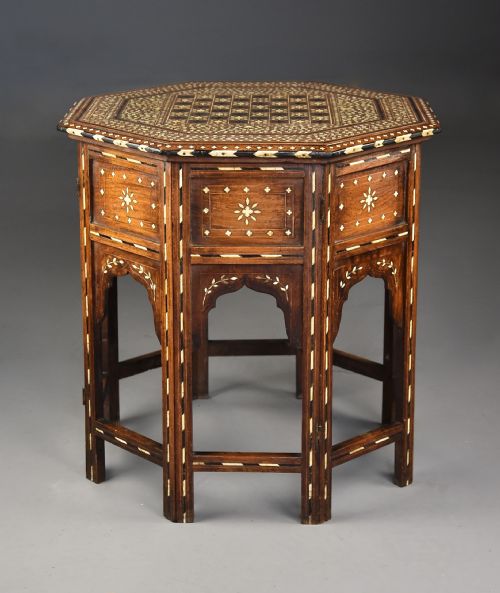
Geographic styles expand the form beyond standard English cabinet-making, incorporating Anglo-Indian pieces with intricate inlays and French-influenced designs featuring brass mounts or marquetry. These variations provide alternatives to conventional domestic furniture while maintaining the central rosewood medium.
How They Were Made
Makers utilised solid rosewood and decorative veneers applied to secondary timbers, selecting pieces for strong natural figuring and deep colour grain. Cabinet-makers combined this dense tropical hardwood with contrasting materials such as brass stringing, ormolu mounts, satinwood, and mahogany inlay.
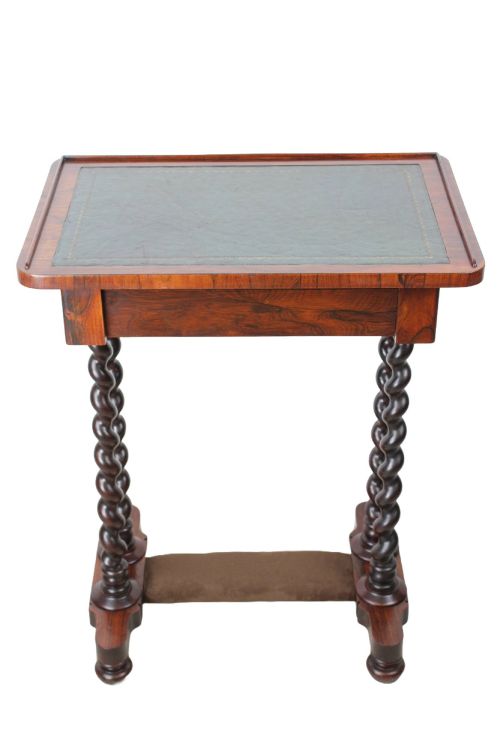
Structural methods included sturdy tripod bases, barley twist turning, and pedestal columns supported by platform feet. Joinery techniques accommodated folding elements like drop leaves and rotating tops on games or envelope tables.
Surface decoration relied on marquetry, specimen wood parquetry, and beadwork details. Craftspeople finished the timber to highlight the natural oily lustre of the rosewood without masking its characteristic dark veining.
Some Victorian card tables double as lamp stands, hiding gaming layouts beneath surfaces built to hold evening illumination.
What Varies in Quality
The degree of refinement in timber selection and veneer matching defines the visual weight of the piece, with heavily figured grain commanding greater presence. Subtle execution of brass inlay, stringing, and marquetry separates standard workshop output from exhibition standard furniture.
Structural integrity depends on the stability of the central pillar, the tightness of tripod joints, and the precision of operating mechanisms on drop leaves or multi-tiered etageres. Original components, including brass castors and mounts, preserve the integrity of the design.
Attribution to known makers or retail houses adds historical context, though unlabelled cabinet work from the Regency and Victorian periods often matches documented pieces in execution and proportion.
Collingson & Lock·Mallett·George Bullock·Gillow·Druce & Co London
The Antique Rosewood Lamp Glossary
- Rosewood
- A heavy, durable timber known for dark grain patterns and a fragrant scent when cut. This dense wood forms the primary material for the tables on this page.
- Ormolu
- Gilded bronze used for decorative mounts and accents on furniture frames. This technique appears on French-influenced pieces from the nineteenth century.
- Marquetry
- The art of applying pieces of veneer to a structure to form decorative patterns or pictures. Craftsmen utilised contrasting timbers such as satinwood and kingwood within rosewood surfaces.
- Etagere
- A piece of furniture consisting of a set of open shelves for displaying small objects. These tiered tables offer multiple surfaces in compact footprints.
- Quartetto
- A nested set of four tables designed to slide underneath one another. This form provides flexible surface space in drawing rooms.
Antique Rosewood Lamp: Frequently Asked Questions
What defines an antique rosewood lamp table?
These pieces are compact tables engineered to support lighting in nineteenth and early twentieth-century domestic settings. They utilise dense rosewood timber, often featuring circular tops, pedestal bases, or tripod supports.
Cabinet-makers adapted the forms to suit various rooms, producing occasional tables, wine tables, and specialised lamp stands that integrated into period interiors.
How do I identify a Regency period table?
Regency pieces often display classical proportions, sabre legs, brass stringing, and architectural turning. The timber grain on these earlier examples tends to show deep, contrasting dark figuring.
Makers working in this era emphasised clean lines and structural clarity, drawing inspiration from classical design motifs while maintaining functional utility.
Where were these tables used in period homes?
Owners placed these items beside seating areas in morning rooms, libraries, and drawing rooms to hold oil lamps or candles for reading. Their modest footprints allowed them to fit beside sofas and armchairs.
Multi-tiered versions and etageres also functioned as display surfaces for decorative objects, plants, or books in hallways and parlours.
How do I care for rosewood furniture?
Protect the timber from direct sunlight and steady heat sources to prevent the wood from drying out or fading. Maintaining consistent room humidity preserves the stability of the veneers and structural joints.
Dust the surface regularly with a soft cloth and apply occasional treatments formulated for antique hardwood finishes to maintain the natural lustre.