

Antique Rose Pendant
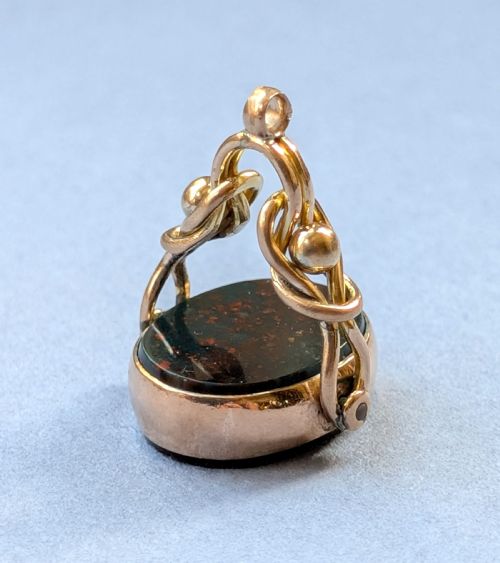
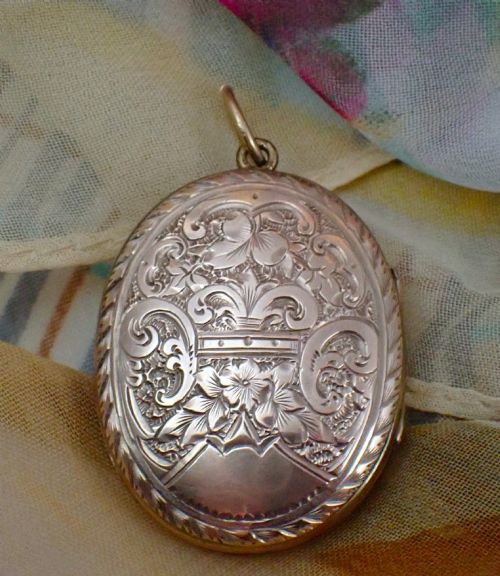
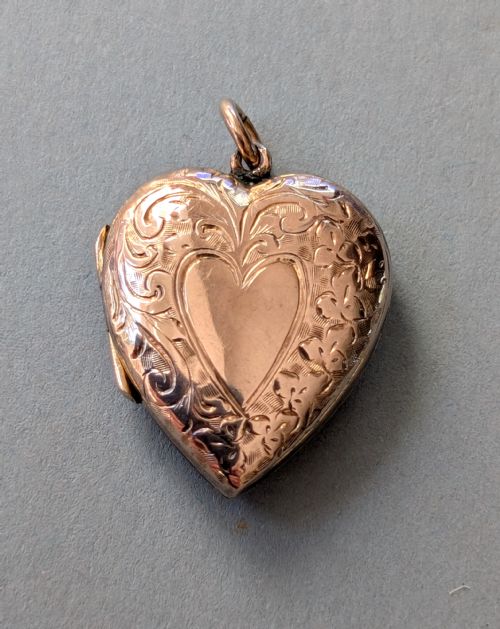
An antique rose pendant carries the warmth of 9ct rose gold and the intricate detail of Victorian, Edwardian, and Art Nouveau craftsmanship, offering a wearable piece of history.
Antique Rose Pendant
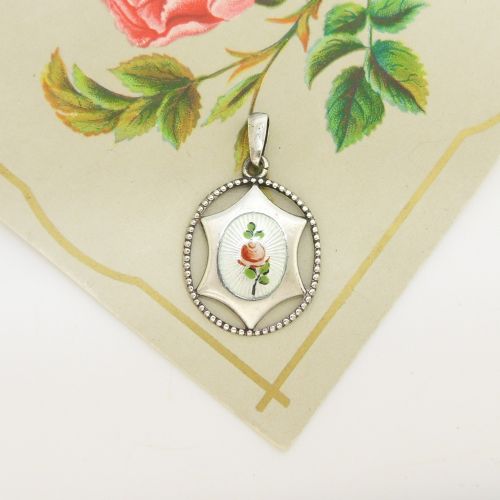
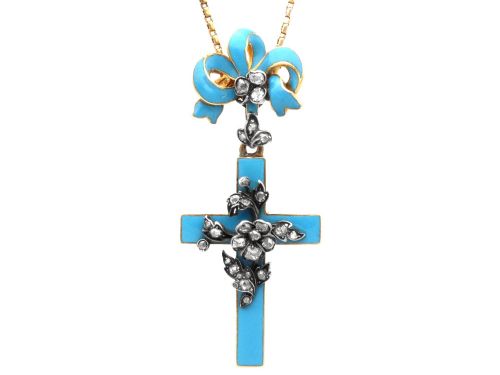
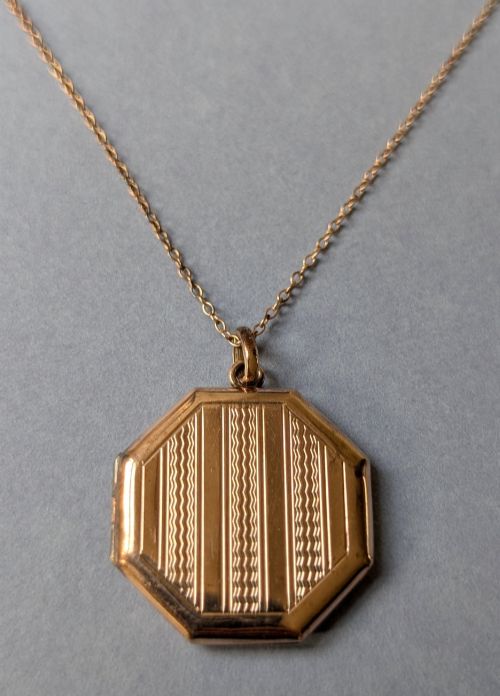
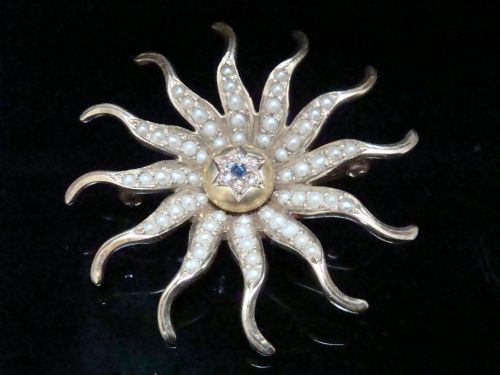
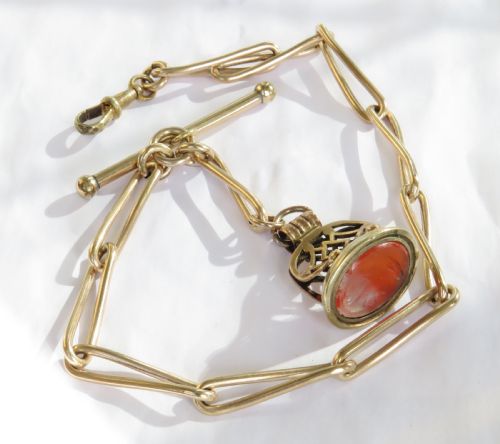
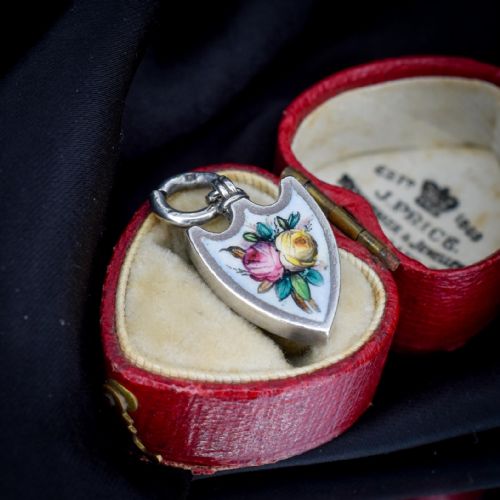
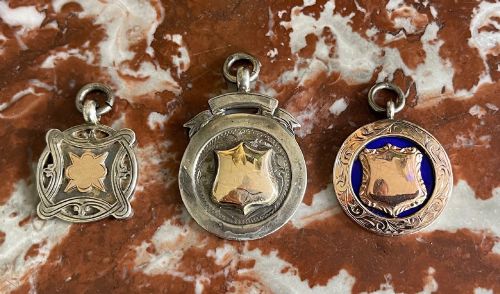
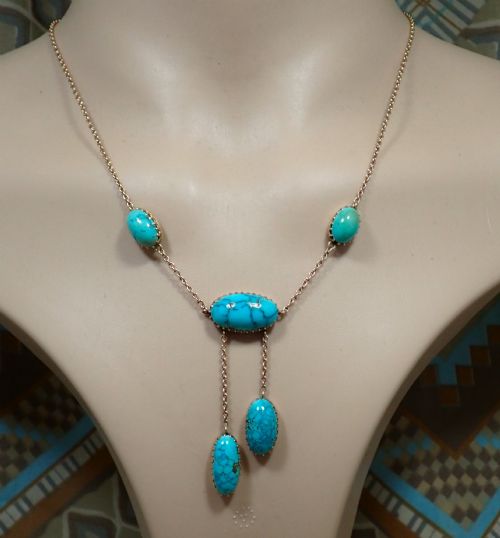
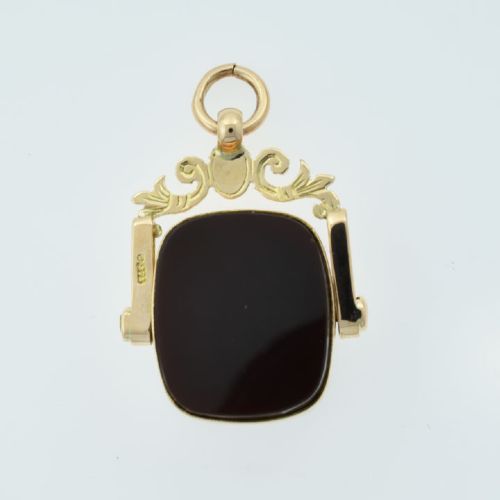
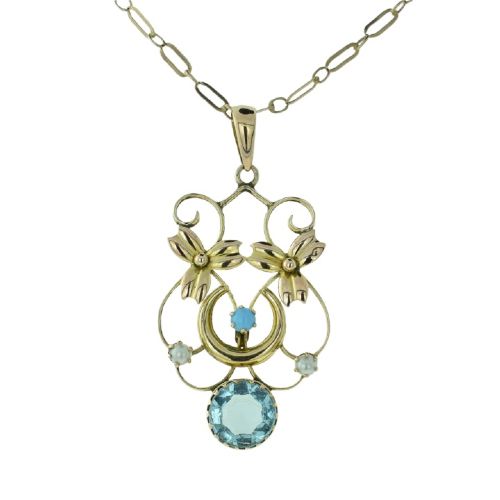
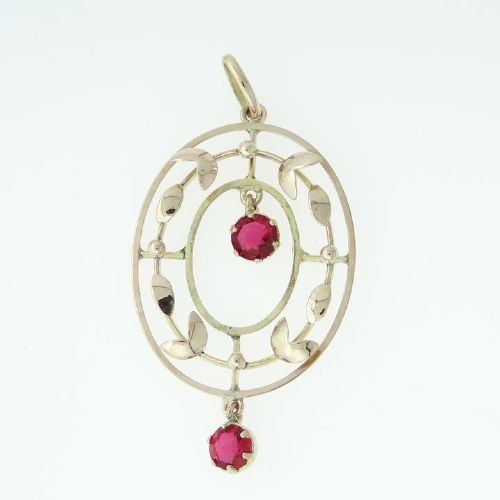
When you search for an antique rose pendant, you encounter a selection spanning the Victorian and Edwardian eras, alongside Art Nouveau and 1920s designs. These items range from heart lockets and floral motifs to gemstone drops and religious medals.
The most common versions on this page combine 9ct rose gold with stones such as garnet, turquoise, and diamond, often taking the form of stamped lockets, engraved charms, or delicate necklaces.
Materials and construction methods
The construction of these pieces relies heavily on 9ct rose gold, silver, and occasionally 14ct or 18ct yellow and rose gold alloys. Goldsmiths utilised stamping, hand-engraving, and bezel settings to secure diamonds, garnets, and enamel work.
Many items incorporate gold back and front techniques, pairing precious metal shells with base metal cores for structural rigidity, while others utilise hollow stamped forms for lightweight wear.
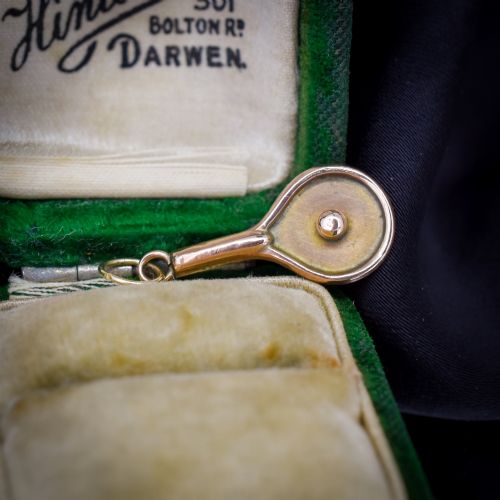
Among the rose gold charms, a tiny tennis racket dated 1901 proves that Edwardian sportsmen and sportswomen accessorised with athletic flair.
Assessing craftsmanship and condition
Quality in these items depends on the crispness of the hand-engraving and the structural integrity of hinges and jump rings. Superior examples retain sharp details on floral repoussé work and secure stone settings without excessive solder repairs.
The depth of the gold colour and the preservation of enamel or surface patination distinguish finer workshop output from mass-produced or heavily worn alternatives.
Charles Horner·Amy Sandheim·Osler
The Antique Rose Pendant Glossary
- Rose gold
- A gold and copper alloy producing a distinctive warm reddish hue, widely utilised in Victorian and Edwardian jewellery.
- Locket
- A hinged pendant designed to open and enclose miniature portraits, hair, or sentimental keepsakes.
- Repoussé
- A metalworking technique where the artisan hammers the design from the reverse side to form a raised relief on the front.
- Back and front
- A manufacturing method where thin sheets of gold are applied over a base metal core to provide durability at a lower cost.
- Charm
- A small decorative pendant suspended from a bracelet or chain, often marking personal milestones or interests.
Antique Rose Pendant: Frequently Asked Questions
How do I care for rose gold jewellery?
Rose gold requires gentle cleaning with warm soapy water and a soft cloth to preserve the copper alloy surface without scratching the metal.
Avoid harsh chemical dips, particularly if the pendant incorporates softer stones like turquoise, pearls, or fragile enamel work.
What periods do these pendants span?
The pieces on this page primarily date from the Victorian and Edwardian eras, extending through the Arts and Crafts movement into the 1920s and 1930s.
Stylistic cues such as foliate engraving, cabochon garnets, and distinct clasp types help differentiate these decades.
Are all rose gold pendants solid gold?
Not all items are solid gold; many period pieces utilise a gold back and front construction where a gold exterior is bonded to a supportive inner core.
Hallmarks and stamps stamped onto the metal surface generally indicate the purity and manufacturing method used by the workshop.