




Antique Rose Pendant Necklace
An antique rose pendant necklace brings warmth and history to the neckline through delicate pink gold and floral motifs.
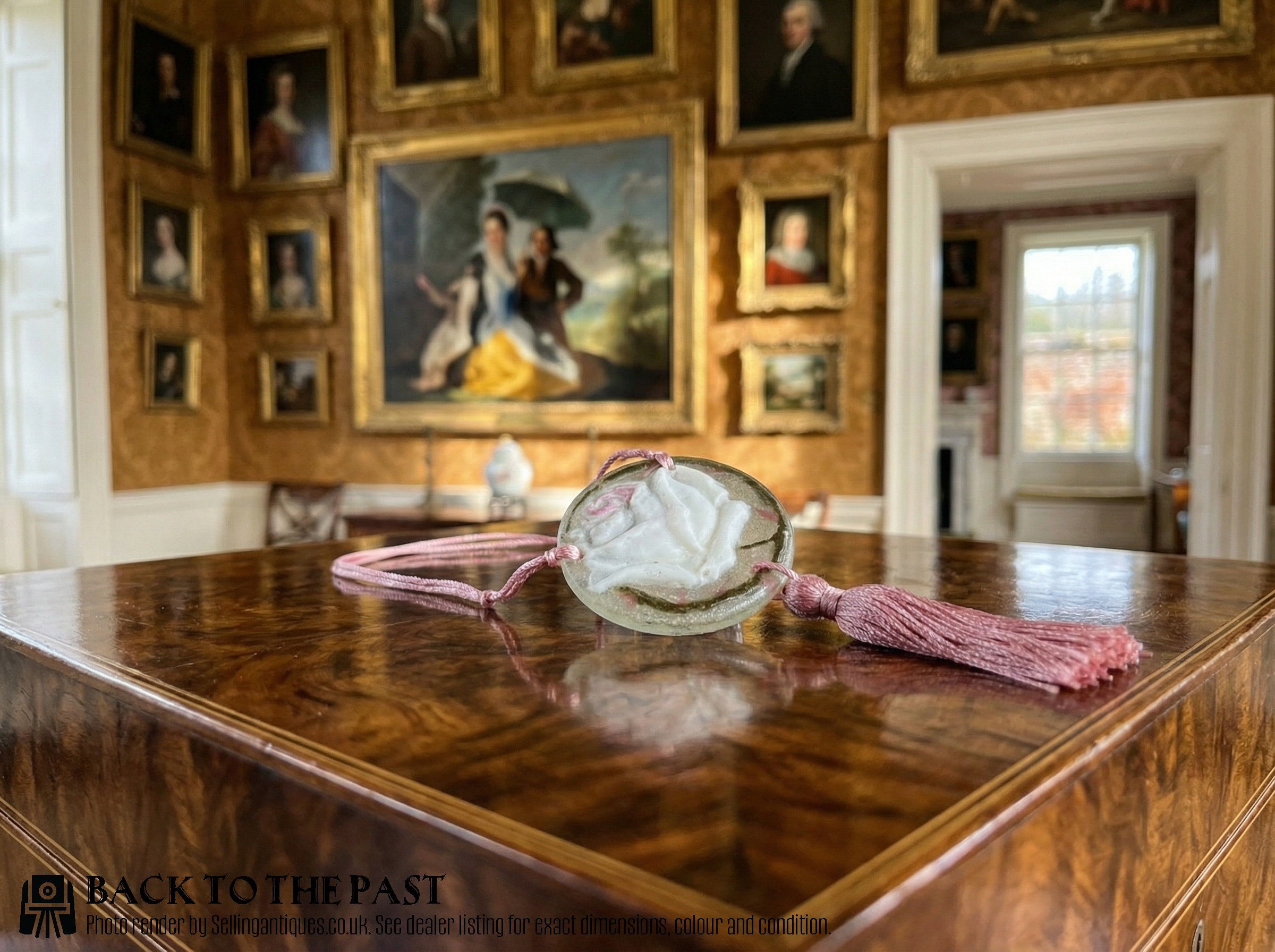
Antique Rose Pendant Necklace
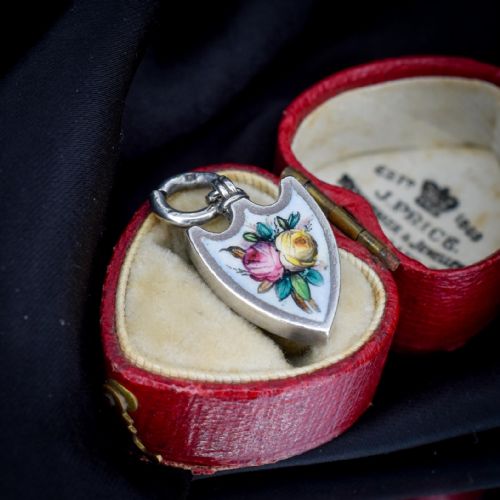
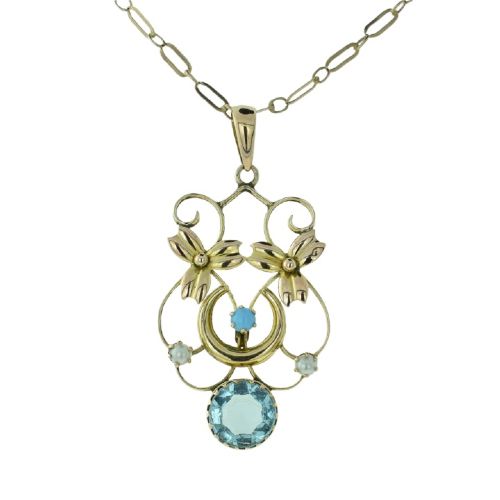
When searching for an antique rose pendant necklace, collectors encounter a diverse array of pieces spanning the Victorian, Edwardian, and Art Deco periods. These items incorporate both actual rose gold alloys and floral designs centred on carved or enamelled roses.
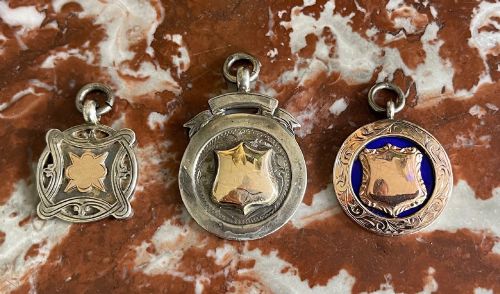
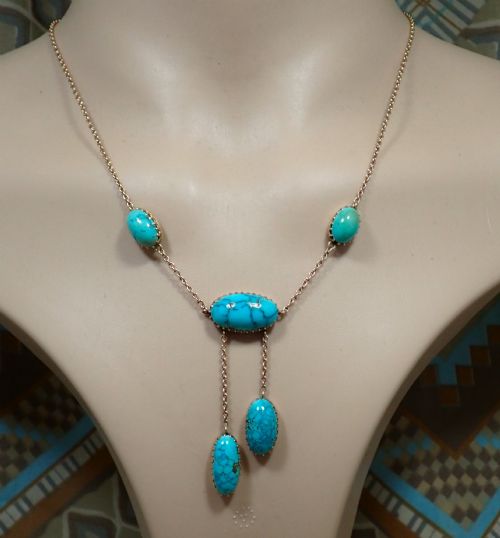
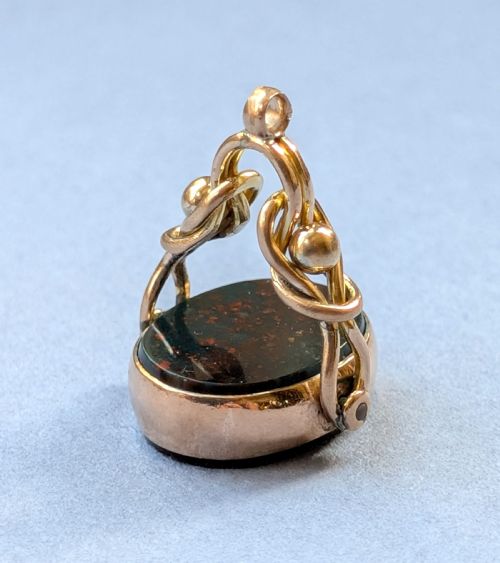
Beyond literal flower motifs, the category encompasses convertible brooches, watch fobs adapted for suspension, and negligee necklaces. These forms reflect the shifting fashions of the late nineteenth and early twentieth centuries.
Materials and construction methods
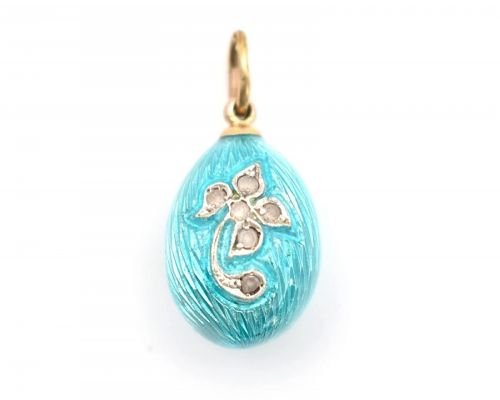
Goldsmiths utilised varying alloys of rose gold, alongside silver settings for diamonds to enhance their brilliance. Enamel work, including plique-à-jour and opaque coloured layers, frequently added vibrant hues to floral and religious subjects.
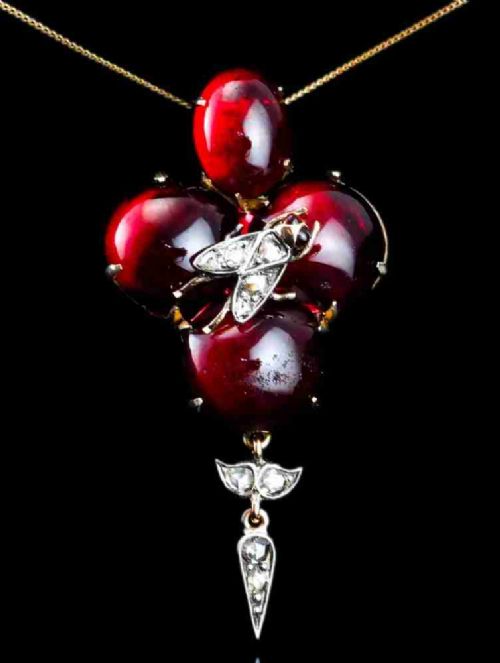
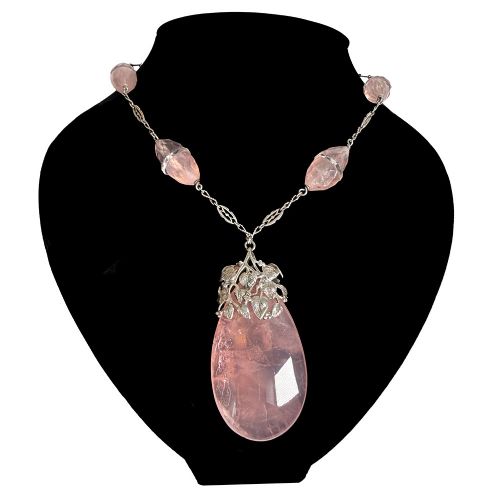
Gemstones such as garnets, opals, turquoise, and pearls were hand-cut or cabochon-polished before being secured in collet or claw settings. Many items combine multiple metals, pairing yellow or rose gold with contrasting silver mounts.
Listings feature items spanning from the Georgian era through to the 1950s, utilising gold, silver, enamel, and natural gemstones.
Distinctions in craftsmanship and design
Quality rests upon the crispness of the chased or engraved botanical details and the structural integrity of the delicate gold chains. Finer items exhibit superior stone matching, particularly in garnets, pearls, and rose-cut diamonds.
The execution of vitreous enamel work strongly dictates the refinement of a piece, with unblemished surfaces and translucent cells commanding greater appreciation. Maker attributions and intact hallmarks also elevate the standing of surviving jewels.
Amy Sandheim·George Hunt·Argy Rousseau
The Antique Rose Pendant Necklace Glossary
- Rose-cut
- A diamond cut featuring a flat base and a faceted dome that resembles an unopened rosebud. This historic style maximises surface spread and creates a soft, candlelit reflection.
- Plique-à-jour
- An enamelling technique where pigment is fired without a backing, creating a translucent, stained-glass effect. Light passes directly through the coloured glass cells.
- Negligee necklace
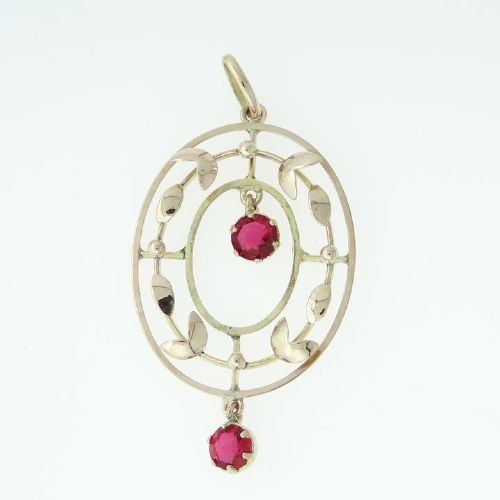
- A pendant style featuring two unequal drops suspended from a central motif, popular during the Edwardian era. This design draws the eye downward with asymmetric grace.
- Albert chain
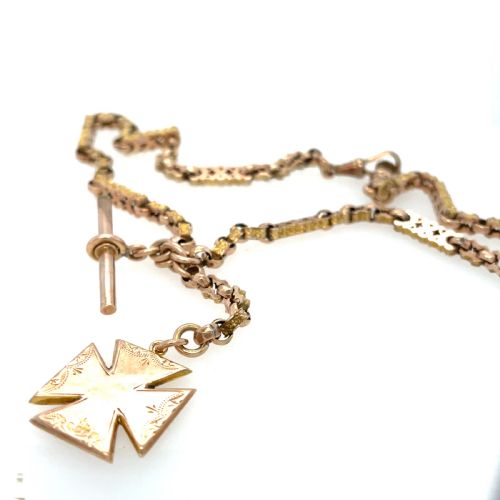
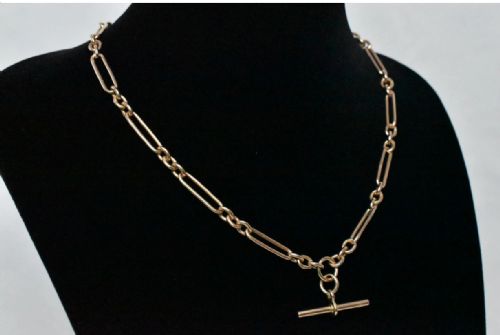
- A heavy pocket watch chain equipped with a T-bar, frequently repurposed as a necklace or charm holder. These robust links showcase substantial rose gold content.
- Pietra dura
- A method of inlaying polished, coloured stones to form pictorial images such as floral arrangements. Hardstones like jasper and chalcedon are meticulously fitted together.
Antique Rose Pendant Necklace: Frequently Asked Questions
How do I care for antique enamel pendants?
Enamel is essentially glass and requires gentle handling to prevent chipping or scratching during daily wear. Avoid ultrasonic cleaners and harsh chemicals, wiping the surface instead with a soft, damp cloth.
Store these delicate pendants separately in lined boxes to protect them from abrasion against harder jewellery items. Keeping them away from prolonged direct sunlight preserves the original vibrancy of the coloured pigments.
Are these chains original to the pendants?
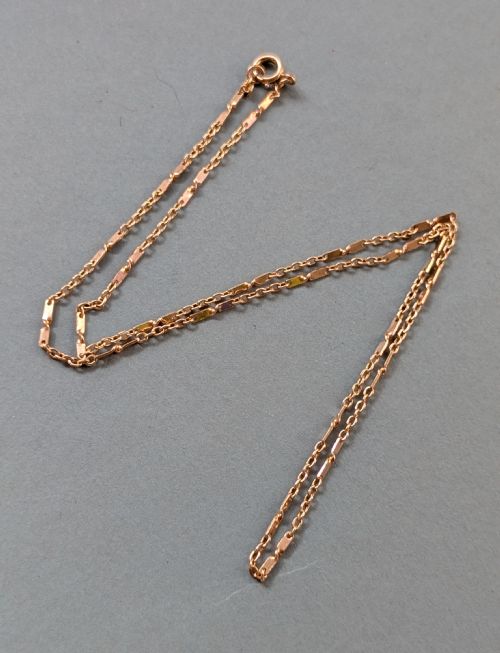
Many antique pendants were originally sold separately from their supporting chains, which were often acquired independently by past owners. Albert chains and simple rose gold links found today frequently represent period-matched pairings rather than factory-original sets.
Examining the wear patterns and gold alloy colours helps determine whether a chain and pendant share the same era. Variations are entirely normal given the modular nature of historic jewellery.
What is the difference between Victorian and Edwardian styles?
Victorian pieces tend to feature heavier gold weights, deeper gemstone hues like Bohemian garnets, and robust floral or sentimental motifs. They often incorporate rich yellow and rose gold combinations alongside intricate chased work.
Edwardian design shifts toward lighter, airier platinum and silver-on-gold mountings with diamonds and pearls. The overall aesthetic prioritises lace-like openwork and graceful fluidity over the solid presence of earlier decades.
Can convertible brooch pendants be worn safely?
Convertible pieces feature hinged pin stems and safety catches alongside hidden loops for suspension as necklaces. Ensuring the clasp mechanism locks securely prevents the pin from snagging on clothing during wear.
Jewellers can inspect the hinge and bail attachments to guarantee structural reliability before hanging the piece from a chain. Careful handling preserves these dual-purpose mechanisms for everyday enjoyment.