





Antique Root Wood
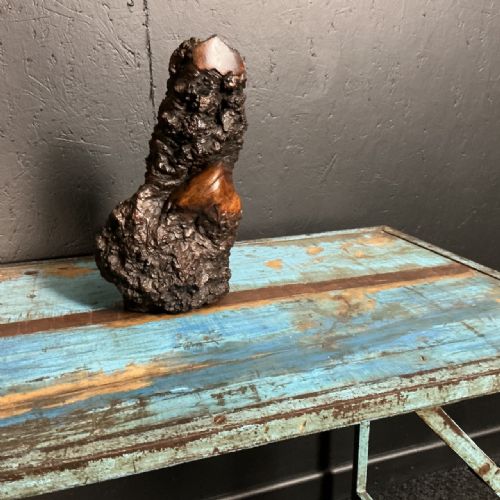
Antique root wood pieces bring organic gnarled forms into interiors, shaping nature into sculptures, tables, and lamps.
Antique Root Wood
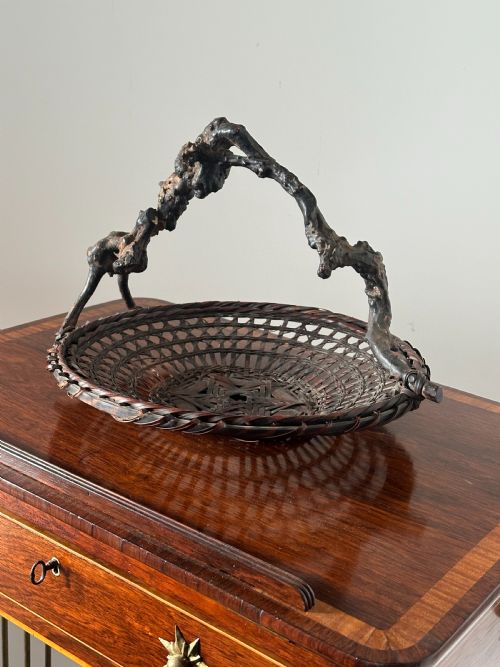
When you search for antique root wood, you encounter organic sculptures, table lamps, side tables, and decorative objects shaped from the subterranean growths of trees. The pieces span the nineteenth century and the early twentieth century, originating from Chinese workshops, Scandinavian makers, and Japanese craftsmen.
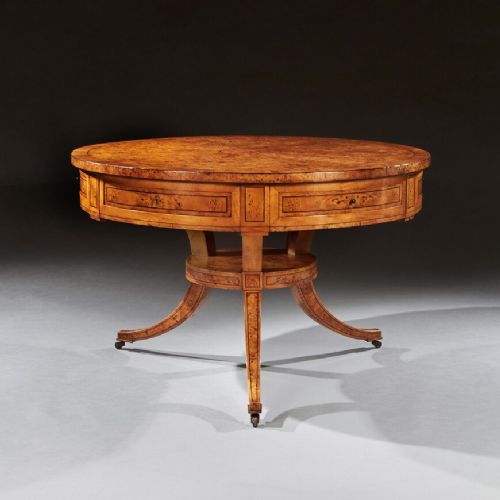
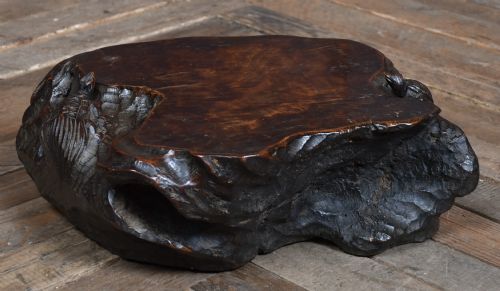
Chinese carvings dominate the selection, frequently depicting scholars, deities, Dogs of Foo, and lion dogs carved directly from gnarled roots. Alongside these figural works appear functional items like drum tables, tilt-top tables, stands, and table lamps that utilise the irregular contours of the material.
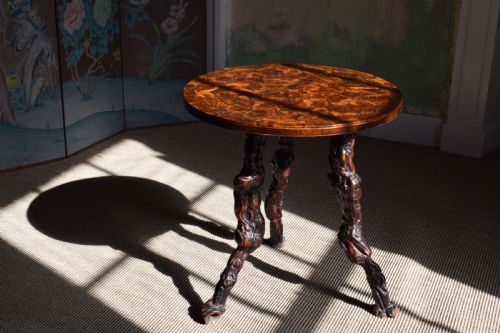
European examples bring a different vernacular, ranging from Swedish alder root occasional tables to folk art branch figures and walking sticks with root-ended handles. Burl wood, bamboo, and hardwood also appear across the inventory, reflecting a widespread Victorian and naturalist appetite for rustic domestic items.
What varies in quality
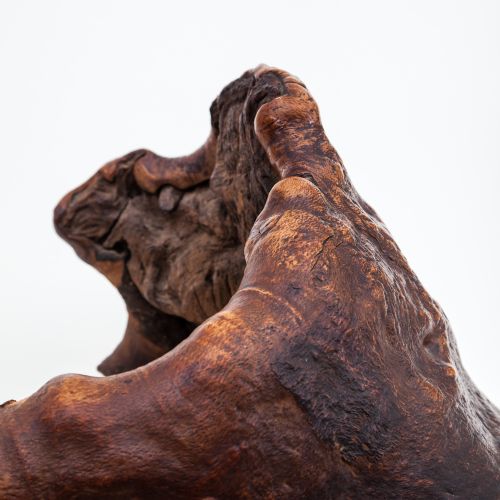
Quality rests upon how successfully the maker exploited the natural configuration of the wood without overworking the material. Superior carvings display a deep, warm patina and anatomical clarity that respects the original subterranean growth.
Construction integrity separates functional pieces like side tables and drum tables from purely decorative items. Joinery stability and the retention of natural edge contours distinguish finer regional examples from simpler vernacular objects.
Antique Root Wood Retail Price Guide 2026
Typical asking prices for root wood among the pieces listed under this phrase on Sellingantiques today, from the lower quarter to the upper quarter. They describe what is for sale here now, not the wider market.
Listings feature items from the nineteenth century, eighteen-eighty, eighteen-ninety, and the early twentieth century, spanning Chinese, Japanese, and Scandinavian origins.
The Antique Root Wood Glossary
- Burl wood
- A tree growth where the grain has grown in a deformed manner, producing intricate swirling patterns prized by cabinetmakers. It yields highly decorative surfaces on tables and boxes.
- Root wood
- The subterranean part of a tree utilised for its gnarled, twisted formations in sculptural and furniture design. Carvers shape these natural irregularities into figures and stands.
- Ikebana
- Japanese art of flower arranging, associated here with specialised bamboo and root baskets. These vessels hold botanical displays.
- Foo dog
- Chinese mythological lion guardian, frequently rendered in carved root wood and hardwood sculptures. They protect domestic spaces in traditional settings.
- Tilt-top table
- A table with a hinged top that pivots to a vertical position when not in use. Scandinavian alder root examples utilise this mechanism for space-saving storage.
Antique Root Wood: Frequently Asked Questions
What is antique root wood?
Antique root wood encompasses furniture and sculptures shaped from the gnarled underground growths of trees during the nineteenth and early twentieth centuries.
Craftsmen across China, Scandinavia, and Japan transformed these twisted organic forms into tables, lamps, and figural carvings.
How were root wood sculptures made?
Artisans studied the natural contours of harvested roots and burrs, carving figures or adapting the organic shapes into functional objects.
They preserved the erratic grains and knots while smoothing handling areas and mounting sculptural elements onto secure bases.
Where do these pieces originate?
The pieces originate primarily from Chinese workshops, alongside Scandinavian makers and Japanese craft traditions.
Chinese pieces often depict scholars and mythical beasts, while Scandinavian makers produced alder root tables and birch tobacco boxes.
How do I style root wood in a room?
Root wood pieces introduce organic texture and sculptural form, serving as focal points on side tables or desks.
Their gnarled silhouettes contrast effectively against clean architectural lines and neutral interiors.