
Antique Rococo Wall Carving
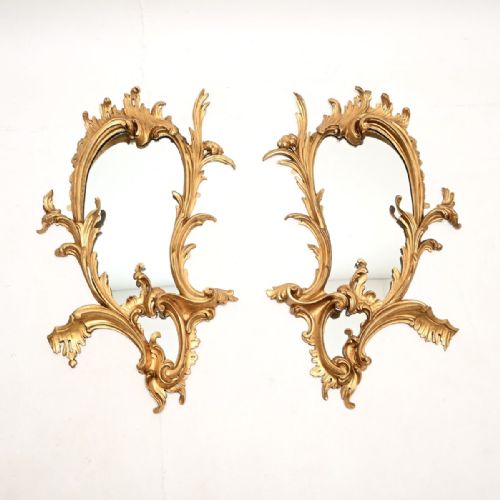
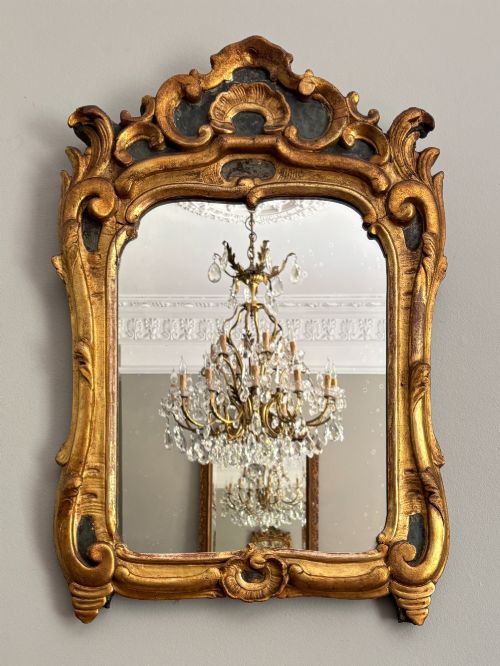
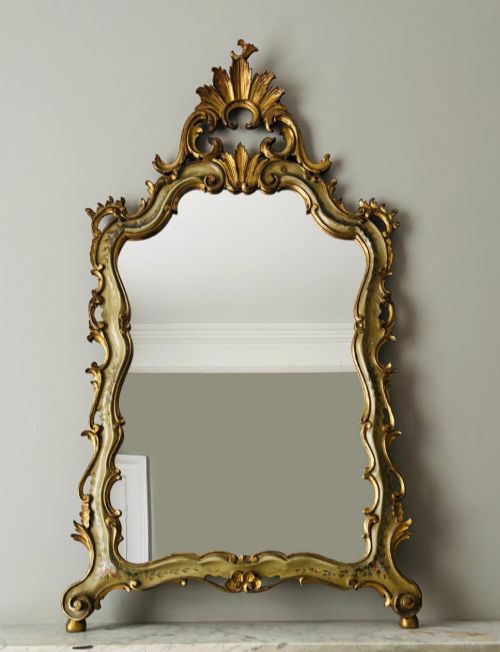
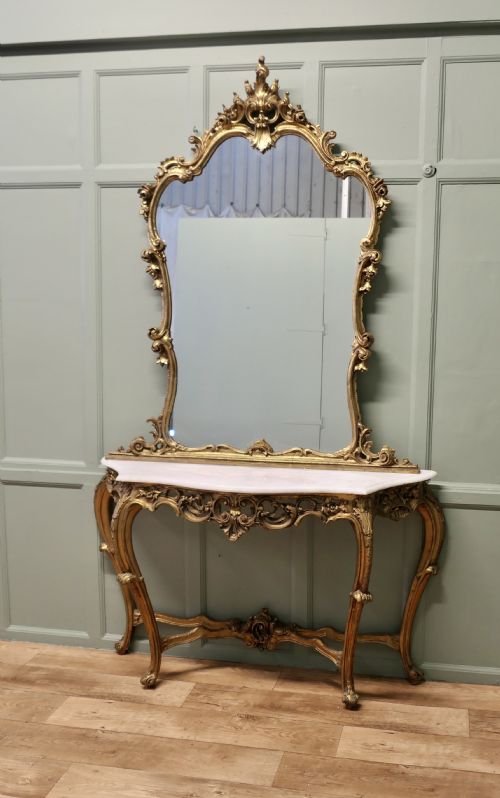
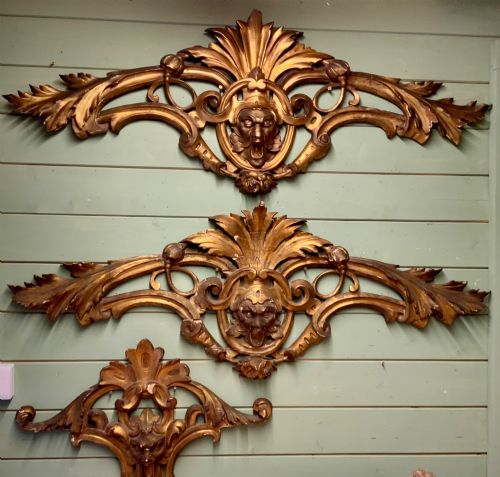
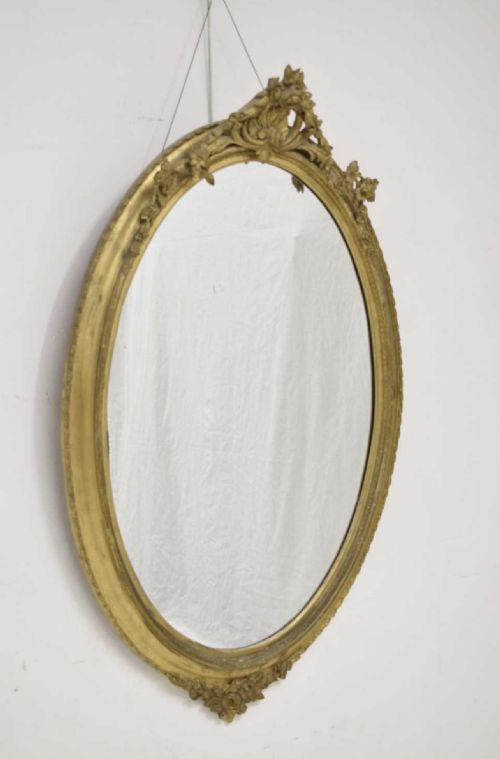
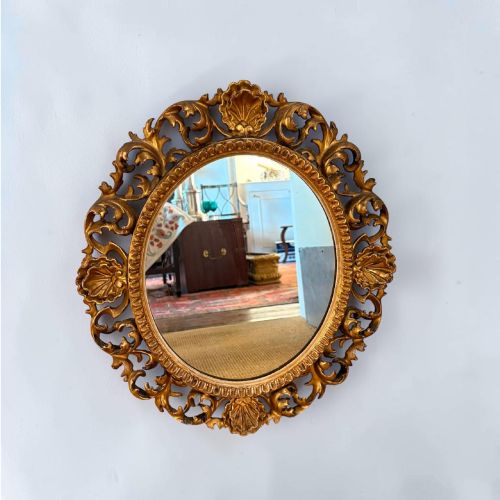
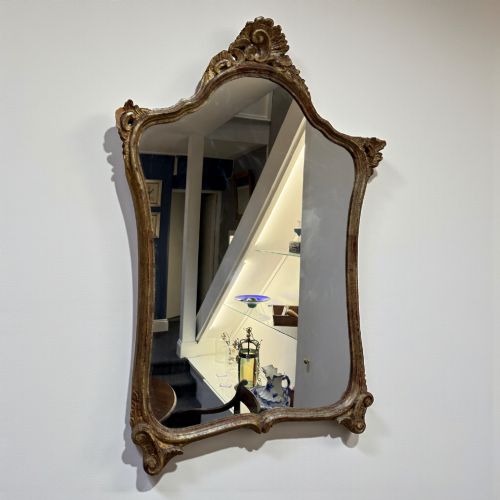
These antique rococo wall carving examples bring exuberant asymmetric scrolls, giltwood and carved detail into a room.
Antique Rococo Wall Carving
When searching for antique rococo wall carving, buyers encounter ornate decorative items shaped by French and Italian design traditions. The selection spans 18th century origins through Victorian and later revivals, reflecting enduring tastes for flowing organic forms.
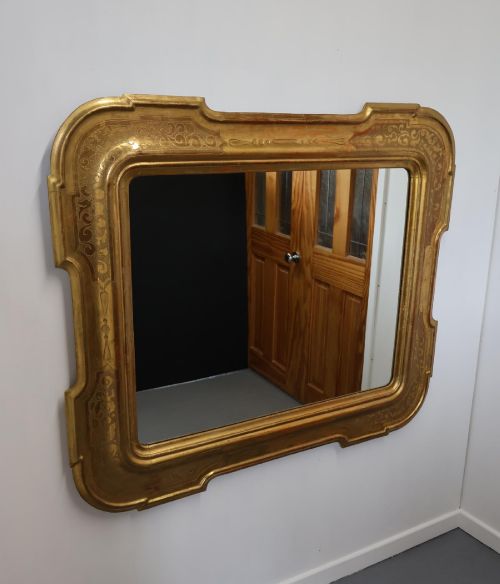
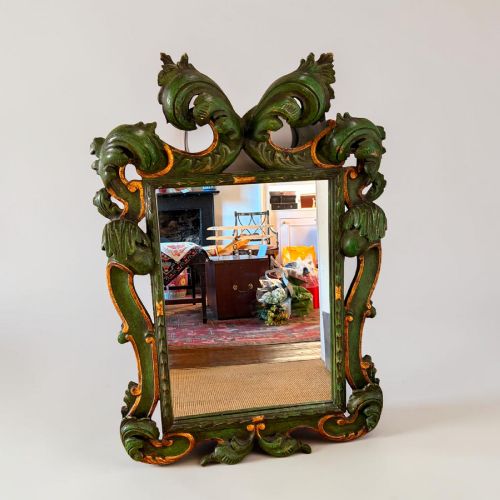
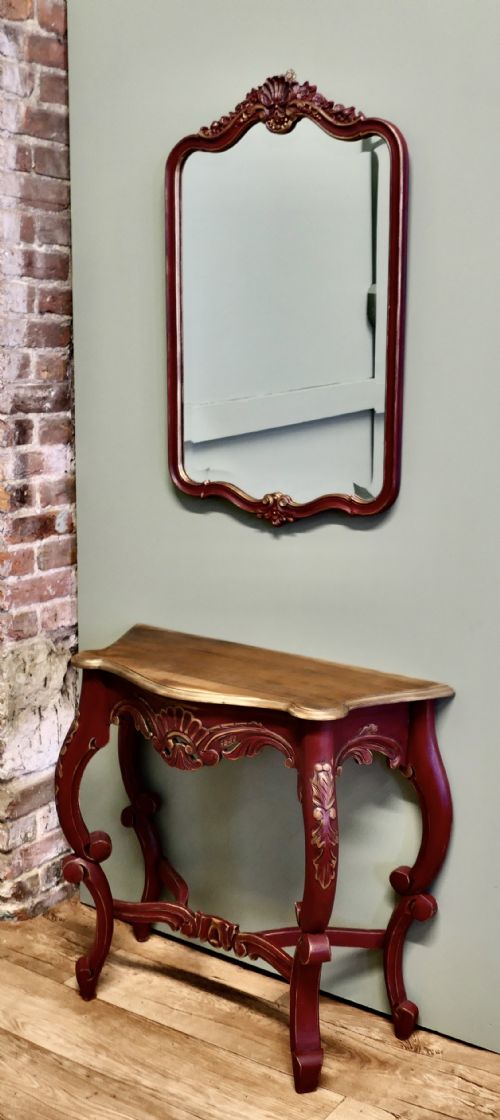
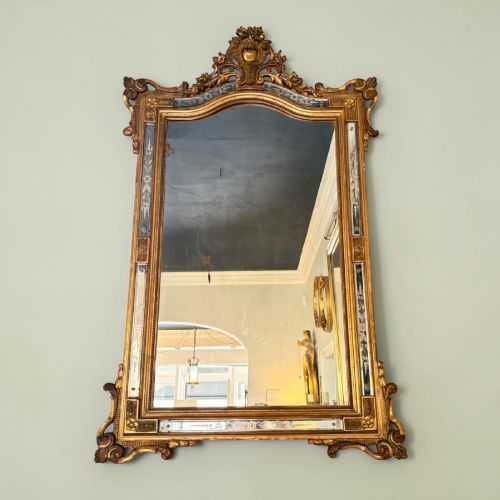
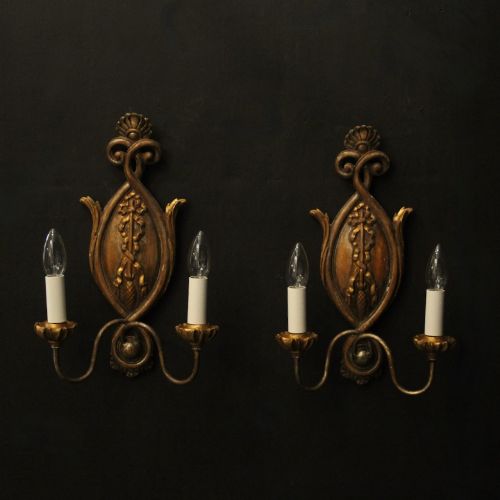
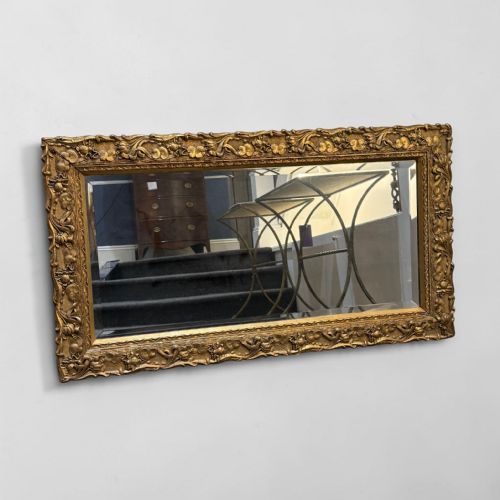
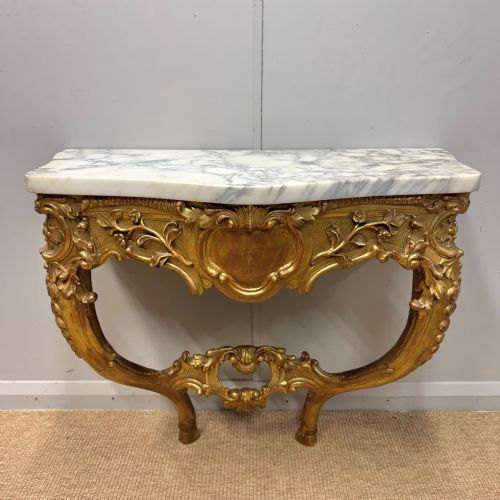
Mirrors form the most common format on this page, appearing as large overmantels, pier mirrors and oval wall pieces alongside console tables and wall lights. These items typically combine carved wood frames with reflective glass and gilt finishes designed to catch and amplify interior light.
How they were made
Carvers shaped timber substrates from oak, pine and other woods before applying layers of gesso to build up high-relief scrollwork and floral motifs. Artisans then applied gold leaf or metallic gilt finishes over the prepared surfaces to achieve a brilliant reflective sheen.
Mirror plates incorporated antique glass, sometimes featuring hand-etched designs or bevelling at the edges. Metal elements such as gilt bronze appliques and wall lights were cast and chased to complement the woodwork.
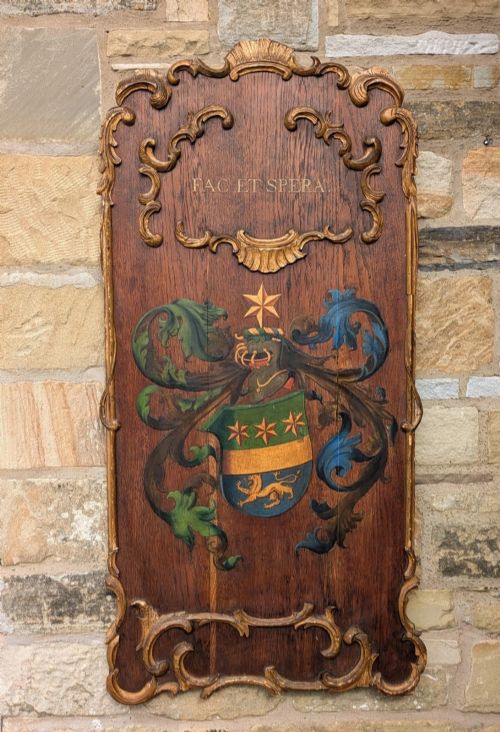
Coat of arms paintings remind us that heraldry once took pride of place beside your mirrors.
What varies in quality
Quality rests in the depth and crispness of the carved detail rather than mere surface decoration. Superior pieces display fluid, deeply undercut scrolls and organic asymmetric asymmetry executed by skilled hands.
The integrity of the original gilt surface and gesso foundation distinguishes finer examples from heavily restored items. Original antique mirror plates with natural foxing add considerable character compared to modern replacement glass.
Poix Blin·Nanninga Uitterdyke
The Antique Rococo Wall Carving Glossary
- Giltwood
- Wood that has been coated with gold leaf or metallic powder. This finish gives the carved frames their characteristic golden brilliance.
- Gesso
- A plaster-like mixture applied to wood frames to create a smooth base for carving and gilding. It allows for crisp, intricate sculptural detail.
- Overmantel mirror
- A large mirror designed to hang directly above a fireplace mantel. These pieces often dominate a room and reflect light across the space.
- Console table
- A table designed to stand flat against a wall, frequently paired with a matching wall mirror. They often feature marble tops and ornate carved legs.
- Girandole
- A branched wall light or sconce holding candles or lamps, often mounted with a mirror backplate. They multiply the flicker of candlelight in a room.
Antique Rococo Wall Carving: Frequently Asked Questions
How do I hang a heavy carved wall mirror?
Large mirrors and carved wooden panels require secure wall anchors fixed directly into structural studs or masonry. Professional hanging hardware distributes the substantial weight safely across the frame.
Ensure the hanging wire or brackets match the load capacity specified for the piece to prevent accidental displacement.
Are these pieces purely French in origin?
While the rococo style originated in France during the reign of Louis XV, the listings include significant Italian Florentine and Dutch examples. Each regional interpretation brings distinct local carving characteristics and finishes.
Italian pieces frequently showcase vibrant polychrome paint or distinct Florentine gilding techniques.
How do I spot a later revival piece?
Revival pieces from the Victorian era and the early twentieth century often utilise machine-sawn timber elements and different gesso formulations. Examining the backboards, joinery and ageing of the materials helps clarify the exact period.
Historical styles were frequently reinterpreted during the nineteenth century with exceptional sculptural skill.