




Antique Ring Circa 1890
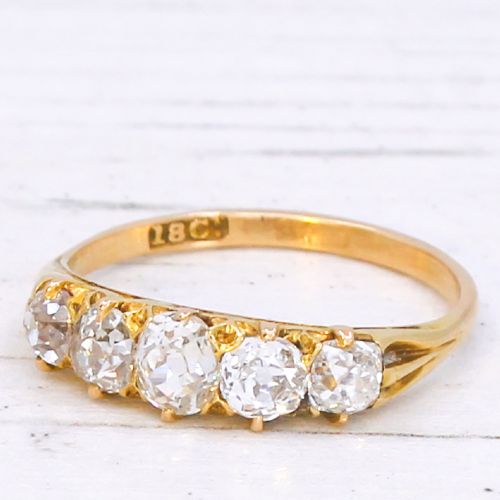
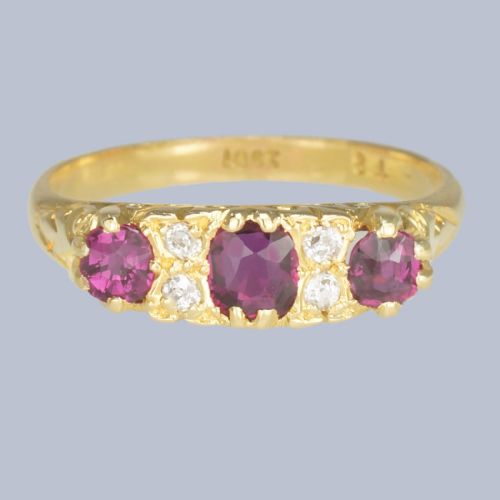
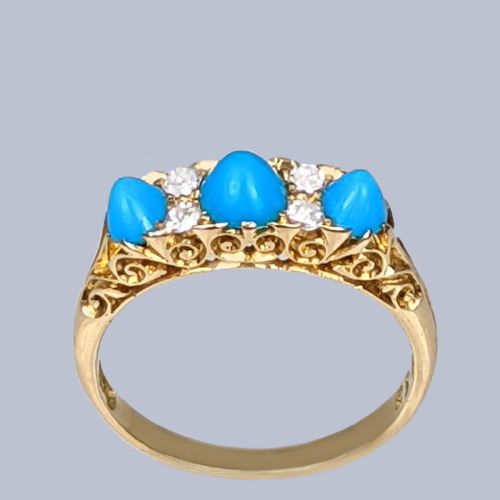
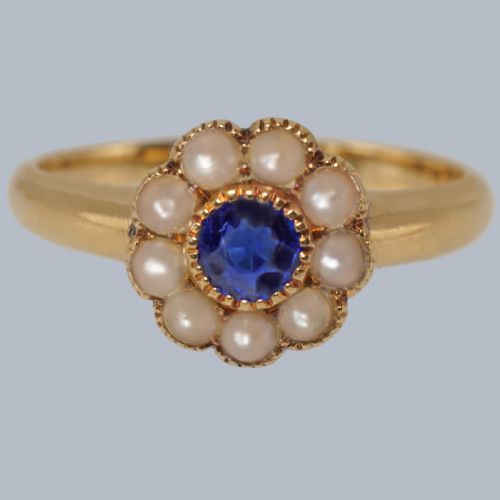
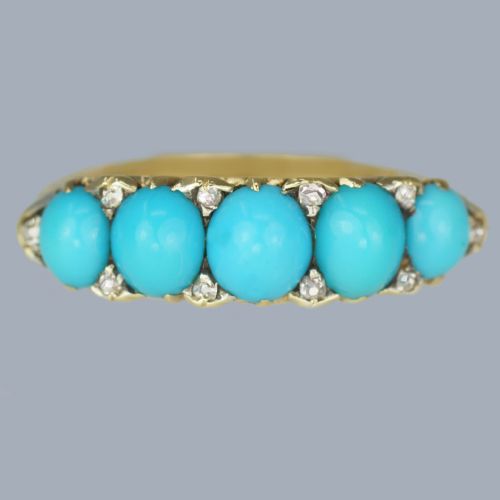
These antique ring circa 1890 examples offer a distinct window into late Victorian jewellery design, combining rich coloured gemstones with substantial old cut diamonds.
Antique Ring Circa 1890
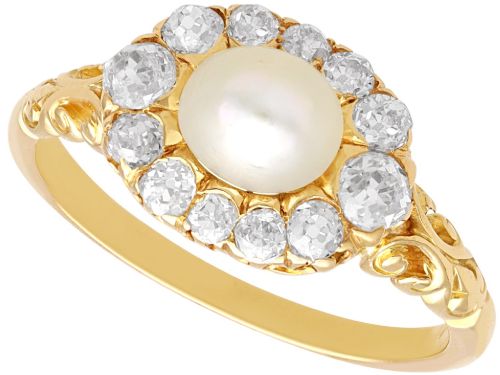
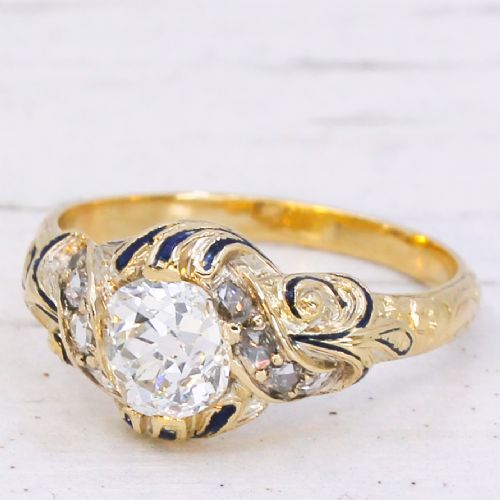
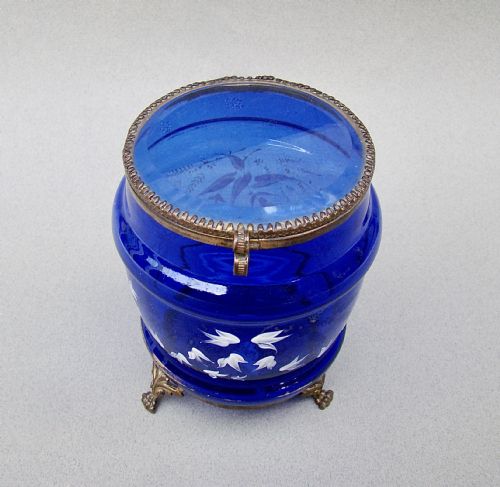
The forms span several classic configurations recorded in the period, including solitaire, trilogy, cluster, navette, and twist designs. Alongside these finger ornaments, occasional related pieces from the identical decade appear to diversify the selection.
Materials and construction
Goldsmiths of this period relied primarily on 18ct yellow and rose gold to construct durable settings for valuable stones. Gemstones such as diamonds, rubies, sapphires, turquoises, opals, pearls, and amethysts were secured using traditional claw and bezel techniques.
Stones like natural pearls and turquoise were often paired with old cut diamonds to create textured cluster and trilogy arrangements. Enamel work and French ormolu occasionally surface in related items from the exact same timeframe.
Antique Ring Circa 1890 Retail Price Guide 2026
Typical asking prices for ring circa 1890 among the pieces listed under this phrase on Sellingantiques today, from the lower quarter to the upper quarter. They describe what is for sale here now, not the wider market.
Materials recorded in this period include 18ct yellow gold, 15ct yellow gold, 18ct rose gold, diamond, sapphire, ruby, turquoise, opal, pearl, enamel, and ormolu.
Evaluating quality and merit
Quality in these pieces is dictated by the proportion, cut, and purity of the central diamonds and coloured gems, such as Burmese rubies or basaltic sapphires. The weight and presence of the stones directly influence the visual impact of the ring.
Artisanal execution in the gold settings and the harmony of the cluster or navette layout distinguish superior examples from standard production. The retention of original gemstone pairings, including split pearls and turquoise, adds historical integrity.
The Antique Ring Circa 1890 Glossary
- Old cut diamond
- A diamond cut popular in the nineteenth century featuring a smaller table, higher crown, and open culet, designed to catch candlelight.
- Trilogy ring
- A ring featuring three principal gemstones set in a row, often symbolising the past, present, and future.
- Navette ring
- A boat-shaped ring design characterised by an elongated pointed silhouette that sits lengthways along the finger.
- Cluster ring
- A setting style where a central gemstone is surrounded by a border of smaller accent stones.
- Basaltic sapphire
- A sapphire originating from alkali basalt terrains, known for deep, saturated blue tones.
Antique Ring Circa 1890: Frequently Asked Questions
How do I care for antique rings?
These pieces require gentle cleaning with a soft brush and warm soapy water, avoiding harsh chemical dips that can damage softer gems like opals and turquoise.
Store them individually in lined boxes to prevent the harder diamonds from scratching neighbouring gold or stones.
Can I wear an 1890 ring daily?
Many people wear these rings daily, provided they check the security of the settings periodically with a professional jeweller.
Consider removing them during strenuous physical tasks to protect the delicate antique gold claws.
What defines the Victorian style?
The Victorian era encompasses diverse design phases, moving from sentimental romantic motifs to bolder, stone-heavy cluster arrangements by the end of the century.
Jewellery from circa 1890 typically showcases substantial diamond work combined with vivid rubies, sapphires, or opals.
Are these rings engagement rings?
While many multi-stone and solitaire configurations served as engagement rings in the nineteenth century, others functioned simply as dress or fashion rings.
Buyers today frequently select these antique trilogy and diamond pieces to mark modern engagements.