






Antique Riding Art
Antique riding art captures the dynamism of equestrian life across centuries in oil, watercolour, bronze and carved wood.
Antique Riding Art
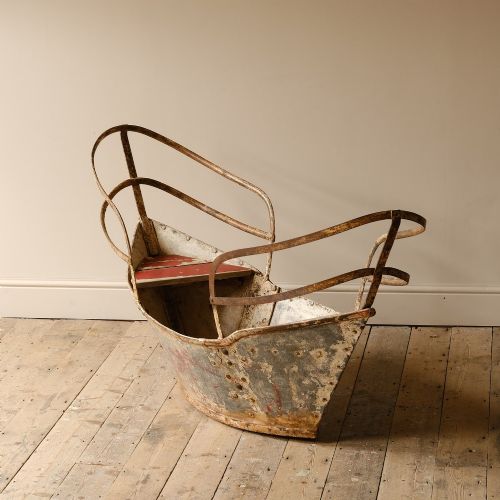
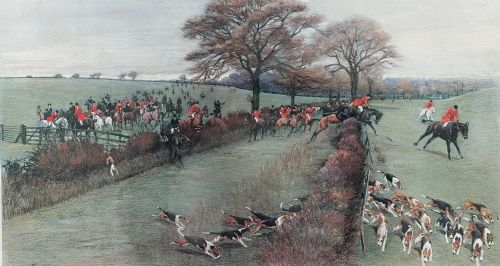
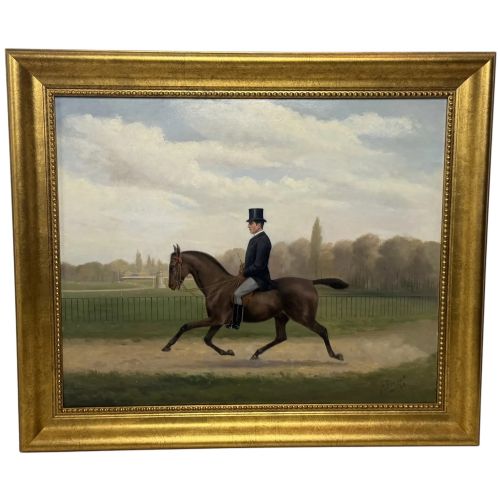
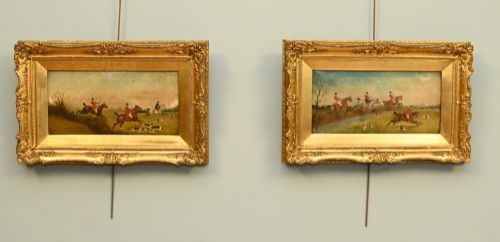
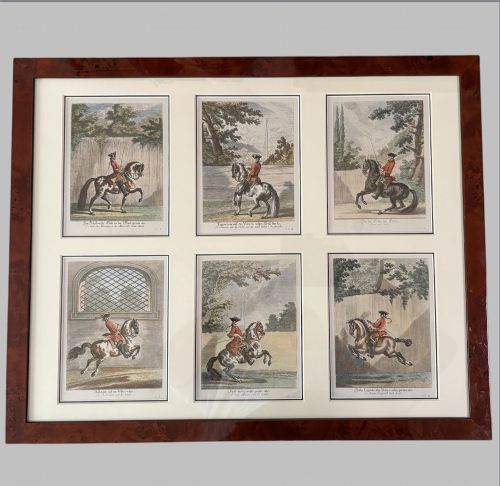
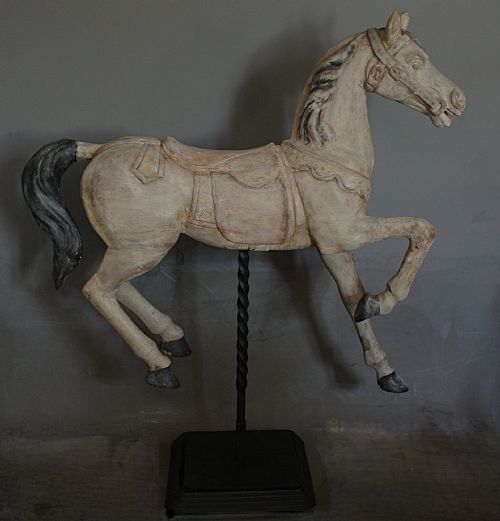
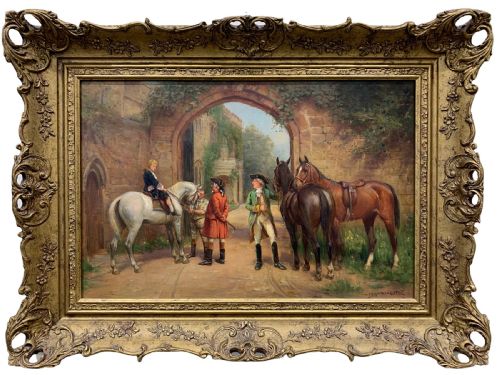
When you search for antique riding art, you encounter a diverse range of depictions spanning the seventeenth century through to the art deco period. The selection includes Victorian equestrian oil paintings, Georgian copper engravings by Ridinger, and early twentieth century fairground ride fragments alongside bronze sculptures and hand-coloured prints.
You are most likely to meet Victorian sporting oils and nineteenth-century prints depicting hunts, park rides and portraits of equestriennes. The forms vary widely from wall art and framed maps to carved wooden carousel horses and Staffordshire pottery figures.
How they were made
Makers utilised traditional mediums such as oil paint on canvas, ink and watercolour on paper, and hand-coloured copper engravings. Canvas and paper provide the foundation for detailed portraits of horses and riders, while wood and bronze serve as the primary materials for three-dimensional fairground carvings and sculptures.
The technique relies on precise draftsmanship, whether capturing the musculature of a galloping racehorse in paint or carving dynamic movement into fairground dragons and ride panels. Engravings involve intricate copperplate printing finished with hand colouring, while textiles employ gros-point wool embroidery for pictorial depiction.
Antique Riding Art Retail Price Guide 2026
Typical asking prices for riding art among the pieces listed under this phrase on Sellingantiques today, from the lower quarter to the upper quarter. They describe what is for sale here now, not the wider market.
Little Red Riding Hood occasionally swaps her forest path for wool embroidery and Victorian pottery.
What varies in quality
The standard of execution in antique riding art depends heavily on the artist's anatomical accuracy and the fluidity of line used to convey motion. Superior pieces render the tension between rider and horse with convincing weight and proportion, whereas lesser examples rely on stiff postures and generic backgrounds.
Material preservation and the crispness of the medium dictate distinction across the range. Original prints retain sharp plate marks and vibrant hand colouring, while oil paintings show depth in brushwork and pigment retention rather than flat, uniform surfaces.
John Speed·Basil Nightingale·Alexander Maclean·John Sanderson-Wells·Bruno Zach
The Antique Riding Art Glossary
- Copper engraving
- A printmaking process where an image is incised into a copper plate with a burin. The resulting lines hold the ink for transfer under pressure.
- Gros-point
- A type of needlepoint embroidery worked on canvas using wool thread. It creates a durable, textured surface suitable for pictorial wall hangings.
- Fairground art
- Decorative carvings and painted panels produced for amusement park rides. These objects utilise bold colours and dynamic forms designed to catch the eye in motion.
- Sporting art
- A genre of painting and illustration dedicated to equestrian pursuits, hunting and racing. It emphasises accurate portrayal of animals and sporting activity.
- Watercolour
- A painting method where fine pigments are suspended in a water-soluble binder. Applied to paper, it yields transparent washes of colour.
Antique Riding Art: Frequently Asked Questions
What defines antique riding art?
Antique riding art encompasses visual representations of horses, riders, hunts and equestrian culture produced from the seventeenth century through to the early twentieth century. It spans various media including oil paintings, watercolours, bronze sculptures, and carved wooden fairground figures.
The category bridges fine art and social history, reflecting how horses were utilised for transport, sport, and leisure across different periods. Works range from formal aristocratic portraits to vibrant folk art and fairground decorations.
How do I care for works on paper?
Works on paper, including watercolours, engravings and printed maps, require protection from direct sunlight and excessive humidity. Framing should utilise acid-free mounts and ultraviolet-filtering glass to prevent fading and paper degradation.
Maintaining stable indoor temperatures prevents warping and foxing, which is the appearance of brown spots caused by mould and iron impurities. Proper framing ensures these fragile pieces survive in clear condition.
How can I distinguish period prints?
Period prints often display plate marks where the edges of the metal printing plate pressed into the paper during the intaglio process. Hand-coloured examples show subtle variations in pigment application under magnification, unlike modern mechanical dot-matrix reproductions.
Examining the paper stock, watermark, and framing remnants provides further clues to age. Authentic older pieces exhibit natural ageing processes consistent with their stated century.