


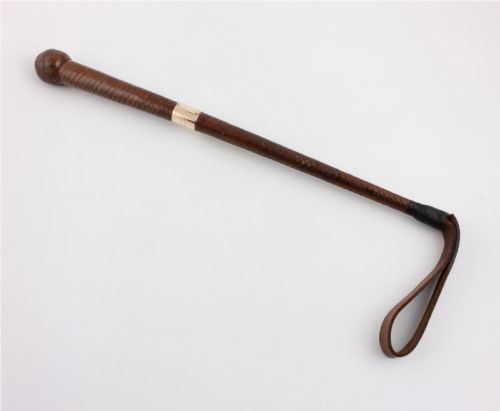


Antique Ride on Horse
An antique ride on horse captures motion and equestrian spirit through carved timber, bronze, and canvas.
Antique Ride on Horse
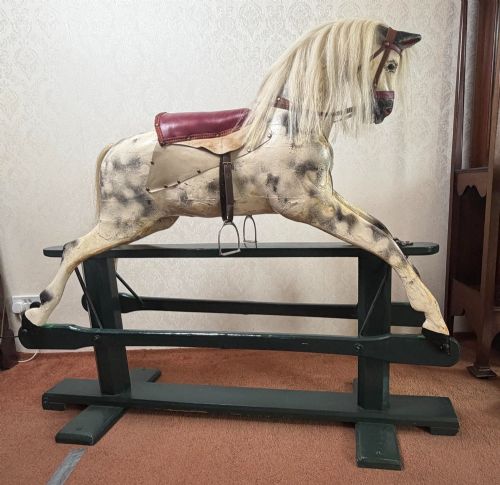
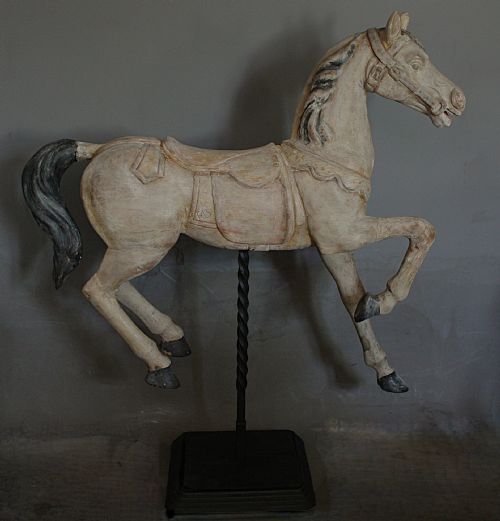
When collectors seek an antique ride on horse, they encounter traditional rocking horses, carousel figures, and mechanical velocipedes that bring historical motion into a room. These pieces range from substantial carved wooden frames mounted on original rockers to painted figures that once stood on fairgrounds.
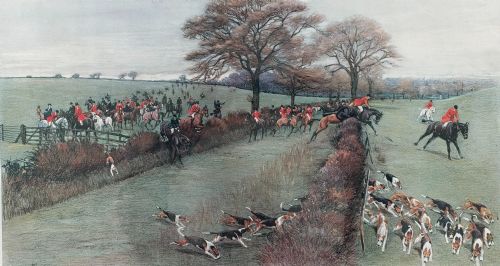
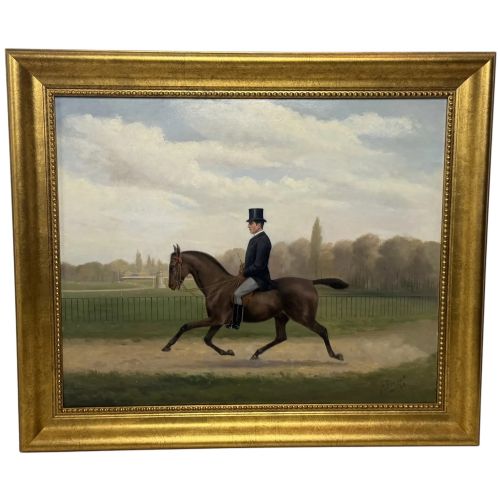
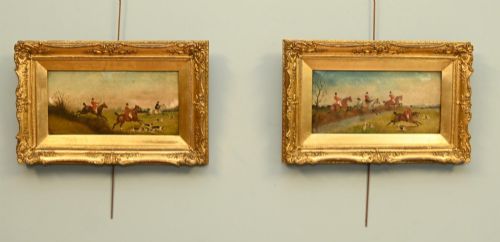
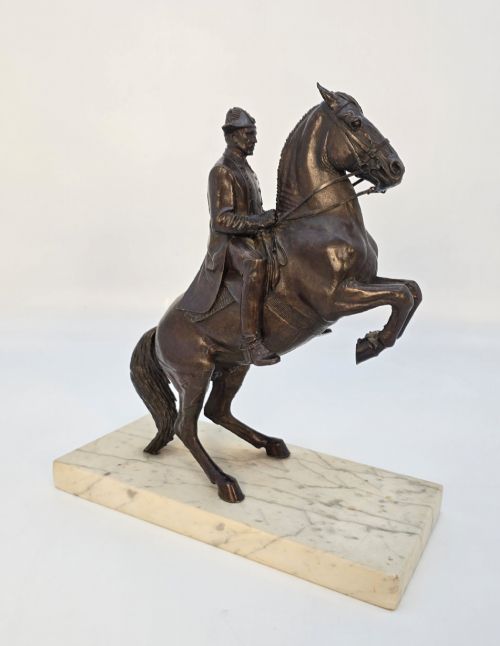
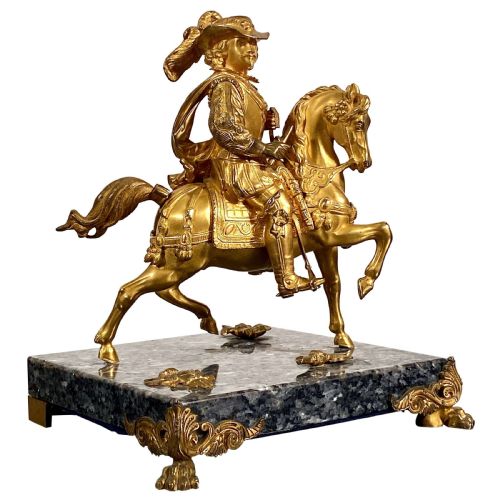
The selection also encompasses related equestrian art and accoutrements, capturing the broader culture of horse riding across the nineteenth and early twentieth centuries. Pieces frequently bridge the gap between children's playthings and bold decorative sculpture.
Materials and construction methods
Makers utilised solid wood for the primary structures of rocking horses and fairground figures, shaping the timber to suggest muscle and movement. Iron components often reinforced mechanical elements such as tricycles and rocking mechanisms, ensuring structural endurance.
Surface finishes involved layered paint, paper elements, and occasionally leather tack or brass fittings to complete the equine details. Craftspeople applied these materials by hand, resulting in distinct textures across each carved body.
Antique Ride on Horse Retail Price Guide 2026
Typical asking prices for ride on horse among the pieces listed under this phrase on Sellingantiques today, from the lower quarter to the upper quarter. They describe what is for sale here now, not the wider market.
Listings feature items from the Victorian period through the early twentieth century, utilising wood, iron, and leather.
Determinants of quality
Quality rests in the anatomical accuracy of the carving and the preservation of original painted surfaces rather than applied restoration. Finer examples retain their original rockers, tack, and organic wear that show genuine age without heavy intervention.
Proportion and stance separate standard production items from masterworks designed with dynamic tension and realistic expression. The integration of mechanical parts in velocipedes or the stability of original wooden bases further dictates the standing of a piece.
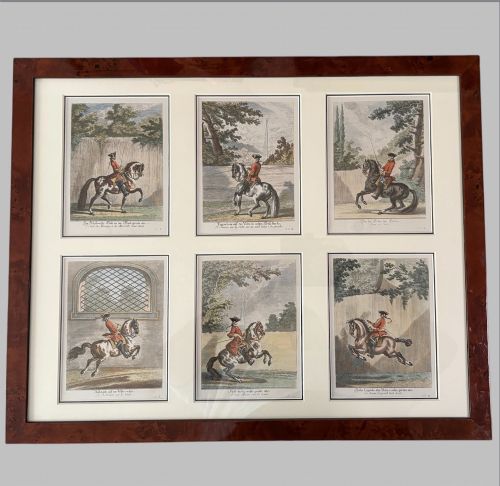
Basil Nightingale·John Sanderson Wells·William J Hodgson·Ridinger
The Antique Ride on Horse Glossary
- Rocking horse
- A carved wooden equine figure mounted on curved wooden bows or a safety stand to allow motion. These objects served as popular children's toys and decorative nursery items.
- Velocipede
- An early human-powered land vehicle propelled by pedals linked to the wheels. Chain-driven horse variants combined mechanical propulsion with sculpted animal forms.
- Fairground figure
- A carved wooden animal removed from a carousel or amusement ride. These items display bold polychrome paint meant to catch the eye in motion.
- Tack
- The equipment used in horse riding, including saddles, bridles, and reins. In antiques, these elements appear in leather, brass, or iron attached to figures and paintings.
Antique Ride on Horse: Frequently Asked Questions
How do I date a wooden rocking horse?
Dating relies on examining the construction style, nail types, and the method used to carve the head and body. Earlier examples tend to feature more robust, hand-hewn timbers and simpler ironwork.
Changes in tack style and the paint layers also provide clues to the decade of manufacture. Comparing the stance with documented fairground or toy timelines helps narrow the period.
Were these horses meant for children?
Many larger carved horses served as nursery toys for affluent families, built to withstand active use. Others functioned purely as fairground attractions or display pieces.
Mechanical tricycle versions combined play with early transport innovation. Their sturdy wooden and iron builds reflect the heavy demands of daily use.
How should I clean a painted wooden figure?
Dusting with a soft, dry cloth remains the safest method for preserving fragile historic paint layers. Moisture can lift old pigments and damage exposed wood underneath.
Professional conservators should handle any deeper cleaning or stabilization of flaking surfaces. Keeping the piece away from direct sunlight prevents further fading.
What is a velocipede horse?
A velocipede horse is a mechanical riding toy driven by pedals connected to wheels through a chain mechanism. Children could steer and propel the wooden or metal animal across the floor.
These hybrids of toys and early bicycles are uncommon survivals from the Victorian era. They demonstrate nineteenth-century ingenuity applied to children's recreation.