

Antique Revival Chair
An antique revival chair brings historical architectural motifs into domestic seating, spanning Victorian oak armchairs to Edwardian mahogany dining sets.
Antique Revival Chair
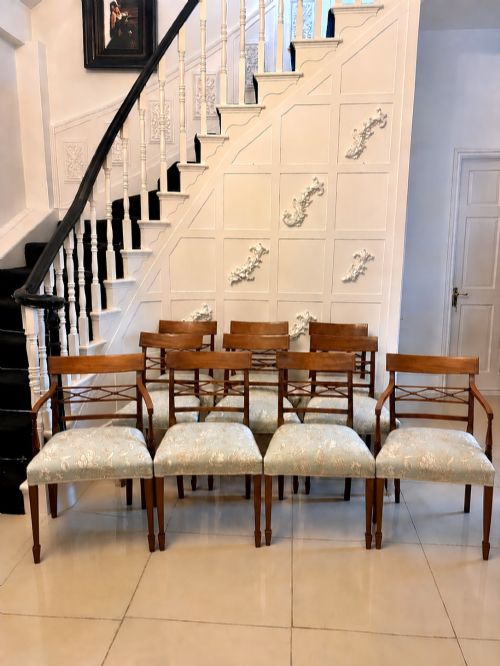
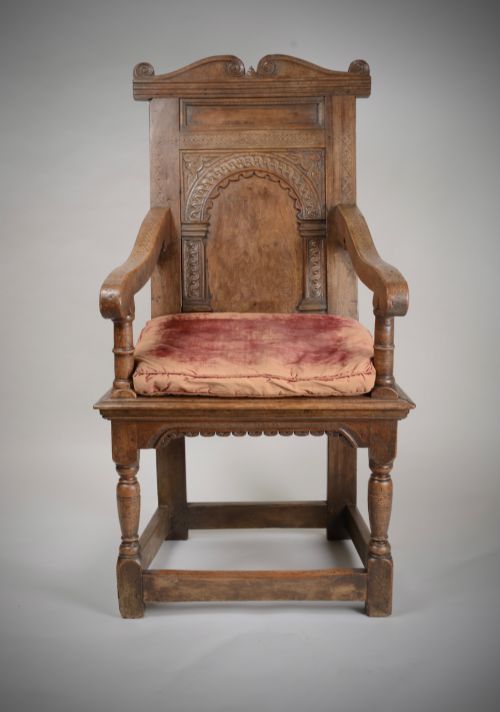
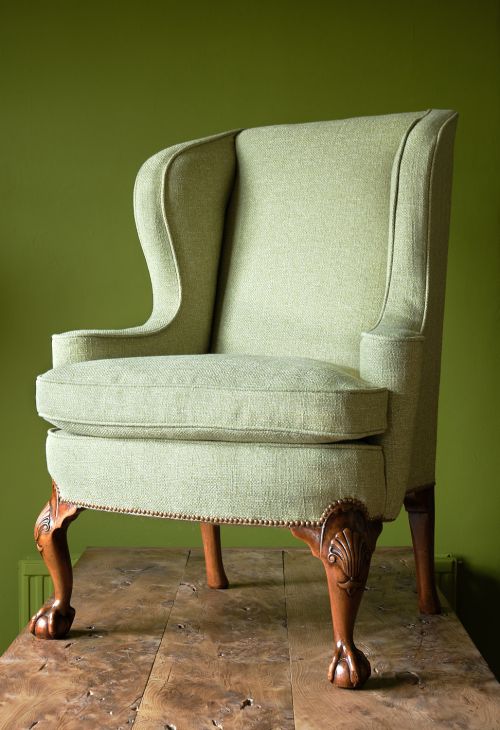
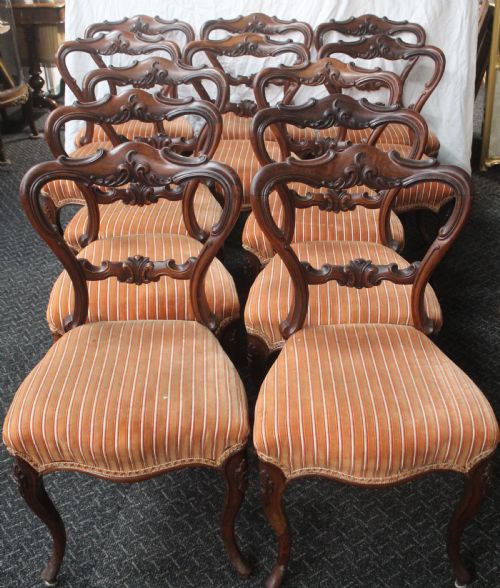
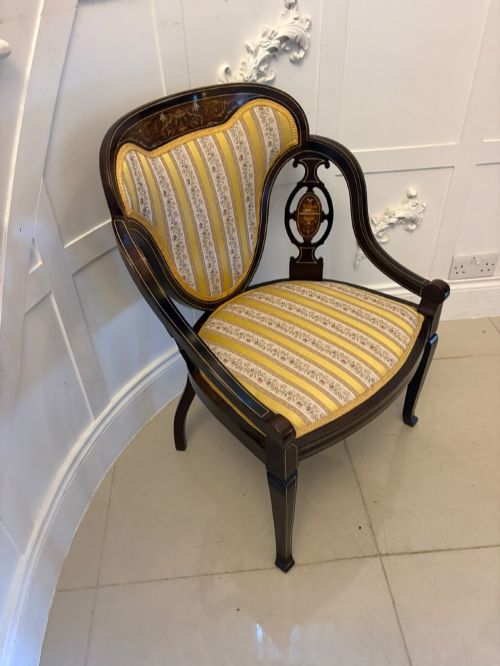
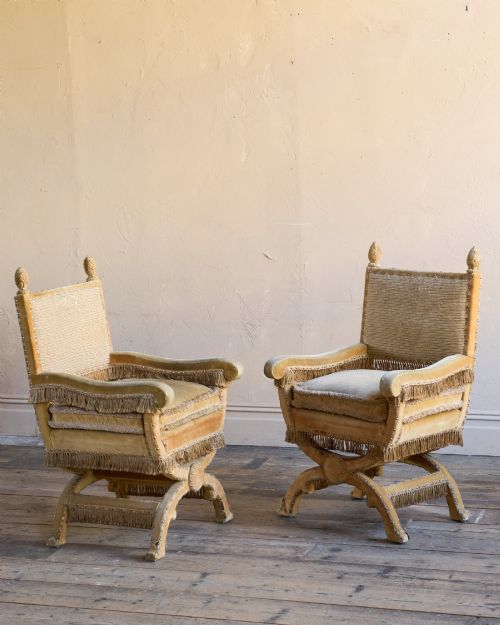
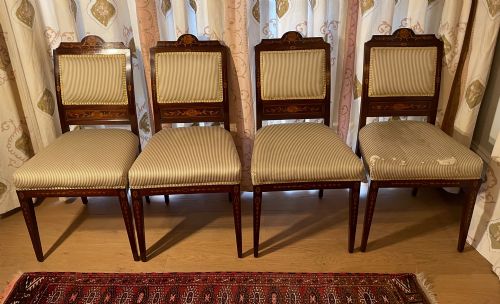
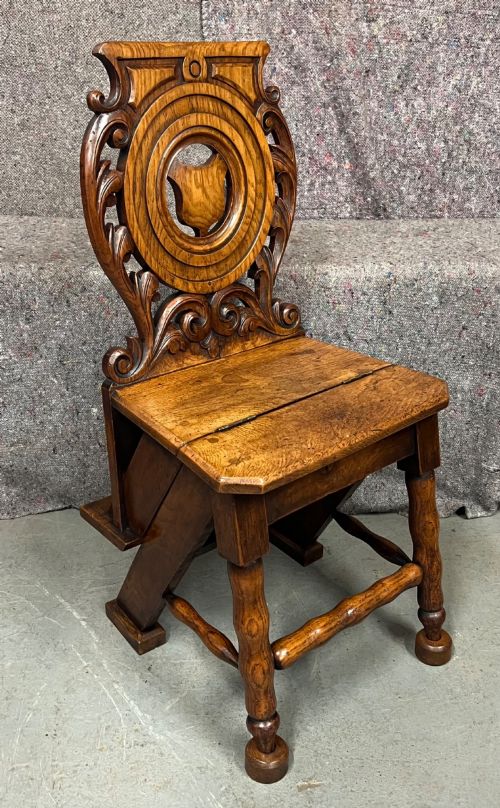
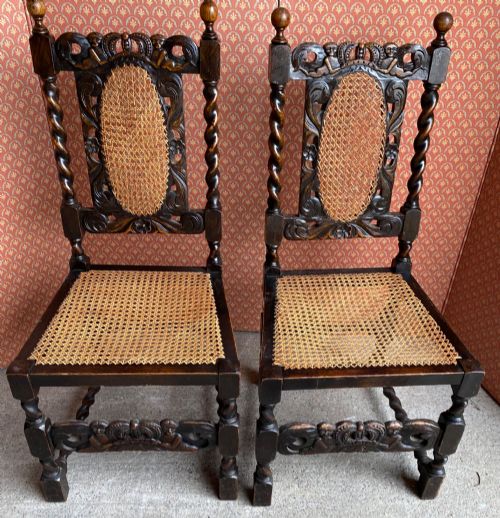
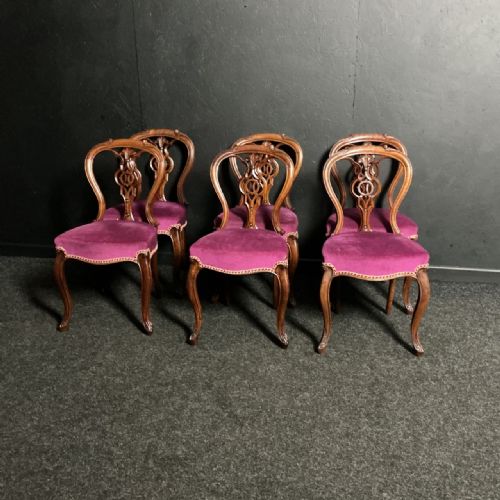
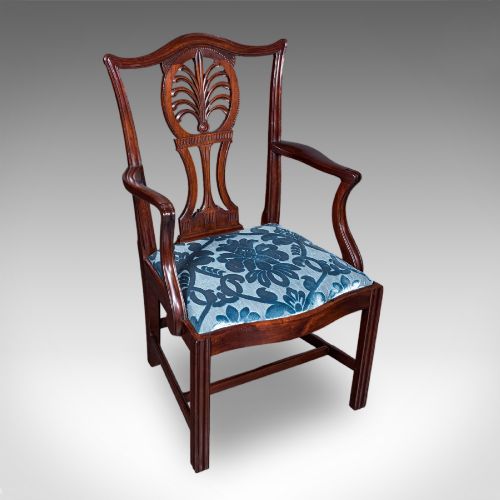
When buyers search for an antique revival chair, they encounter seating spanning the nineteenth century up to the Edwardian period, built in forms from library armchairs to sets of dining chairs. The pieces on this page draw directly on earlier historical vocabularies, including Gothic, Jacobean, Regency, and Sheraton styles.
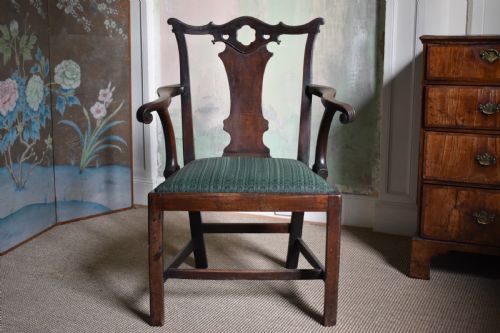
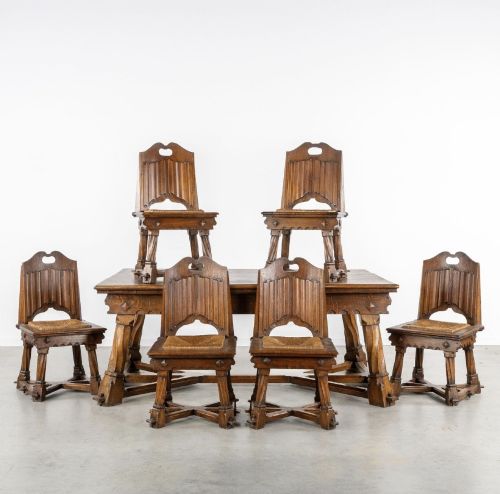
Armchairs, side chairs, and desk chairs dominate the selection, often appearing in matched sets of dining or salon chairs alongside individual library and hall seats. Oak and mahogany serve as the primary timbers, shaped into Baronian, Carolean, and Chippendale interpretations that reflect Victorian and Edwardian revivals of past centuries.
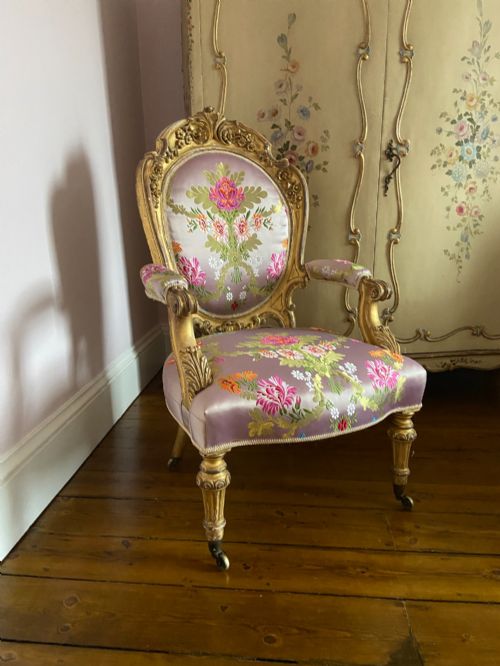
Origin points encompass English workshops, French salons, and specific regional designs such as Moorish corner tables or Greek revival frames. Buyers frequently meet walnut and giltwood versions alongside sturdy baronial oak, showing how cabinetmakers adapted historical aesthetics for domestic comfort.
Materials and Technique
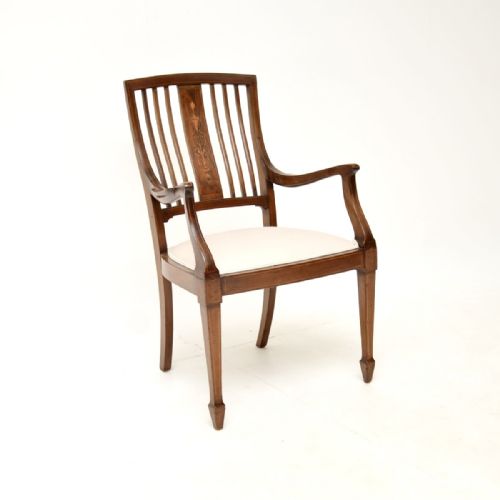
Cabinetmakers constructed these frames predominantly from solid oak, mahogany, and walnut, employing traditional joinery alongside carved detailing. Timber selection dictated the character of the piece, with dense English oak supporting heavy baronial carving and mahogany taking fine linear inlay.
Decoration relied on skilled hand-carving, barley twist turnings, pierced splats, and contrasting inlay using bone, boxwood, and mother-of-pearl. Upholstered variants integrated fabric, leather, and velvet supported by internal webbing and stuffing, while specialised swivel mechanisms appeared on revolving desk chairs.
Antique Revival Chair Retail Price Guide 2026
Typical asking prices for revival chair among the pieces listed under this phrase on Sellingantiques today, from the lower quarter to the upper quarter. They describe what is for sale here now, not the wider market.
Listings feature periods spanning the Victorian era through to the Edwardian period, utilising oak, mahogany, walnut, and giltwood.
Evaluating the Pieces
Quality rests in the crispness of the carved ornament, the depth of the timber grain, and the integrity of the frame construction. Pieces produced by recognised workshops demonstrate superior timber selection and refined proportions that elevate them above standard commercial production.
Cohesion within a set of dining chairs indicates careful initial selection of timber and uniform hand-carving across every frame. Finer examples balance historical accuracy in their revival style with robust structural joinery designed for continuous use.
Gillows·Bruce James Talbert·Alexander Greek Thomson
The Antique Revival Chair Glossary
- Baronial
- A heavy, substantial style of furniture utilising dark oak and deep relief carving reminiscent of medieval halls. It defines large nineteenth-century armchairs and hall seats.
- Pierced Splat
- The central vertical slat of a chair back cut through with decorative openwork patterns. Regency and Georgian revival dining chairs frequently employ this technique.
- Barley Twist
- A turning technique resembling a spiralling rope used on chair legs and stretchers. Victorian oak dining chairs often feature this turned detail.
- Sgabello
- A Renaissance revival wooden hall chair characterised by a high back and trestle supports instead of conventional legs. They functioned primarily as decorative entrance hall seating.
Antique Revival Chair: Frequently Asked Questions
What is an antique revival chair?
An antique revival chair is nineteenth or early twentieth-century seating designed in the stylistic manner of earlier historical periods. Cabinetmakers looked to Gothic, Jacobean, or Regency designs to create new pieces suited to contemporary domestic interiors.
These chairs combine historical visual motifs with the construction techniques and comfort requirements of the Victorian and Edwardian eras. They range from simple oak hall seats to elaborate carved walnut salon suites.
How do I identify the revival style?
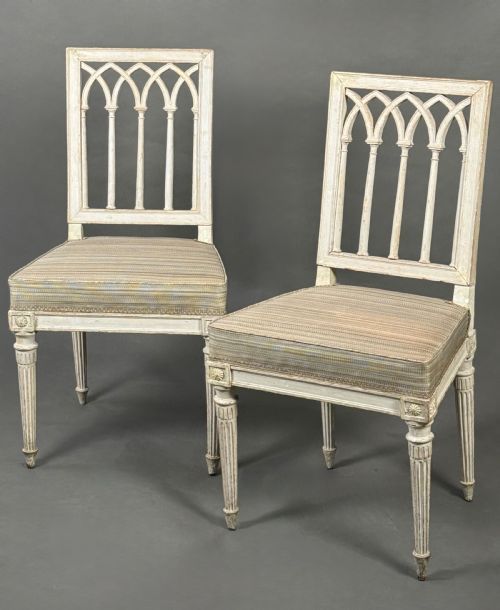
Identifying the style requires looking at the specific architectural ornaments and timber choices employed on the frame. Gothic revival pieces feature pointed arches and tracery, while Jacobean examples show heavy turnings and geometric panels.
Cabinetmakers often blended these historical references with contemporary Victorian upholstery and proportions. Comparing the carved details against known historical periods helps clarify which era inspired the maker.
How were these chairs used historically?
These chairs served specific social functions within the Victorian or Edwardian home, from formal dining rooms to private libraries and drawing rooms. Desk chairs and library armchairs accommodated study and reading, while salon suites provided formal seating for guests.
Hall chairs functioned as architectural statements in entrance spaces, offering upright seating rather than deep comfort. Dining sets gathered families around the table for formal meals, manufactured in matching groups of six, eight, or ten.
Are these chairs suitable for daily use?
Most antique revival chairs are robustly constructed from solid hardwoods like oak, mahogany, and walnut, making them practical for daily seating. Solid wood frames such as side chairs and hall chairs generally require little more than standard care.
Upholstered armchairs and salon seats may require assessment of their internal webbing and padding to ensure ongoing comfort. Placing them away from direct heat sources preserves the timber and prevents the glue joints from drying out.