


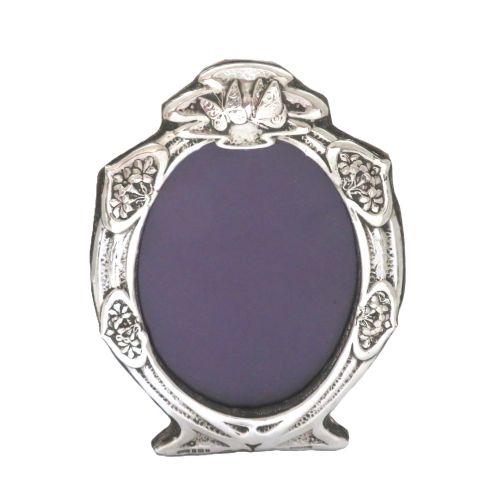
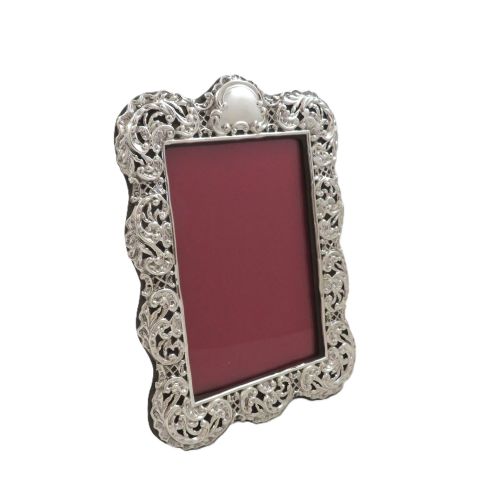

Antique Repousse Frame
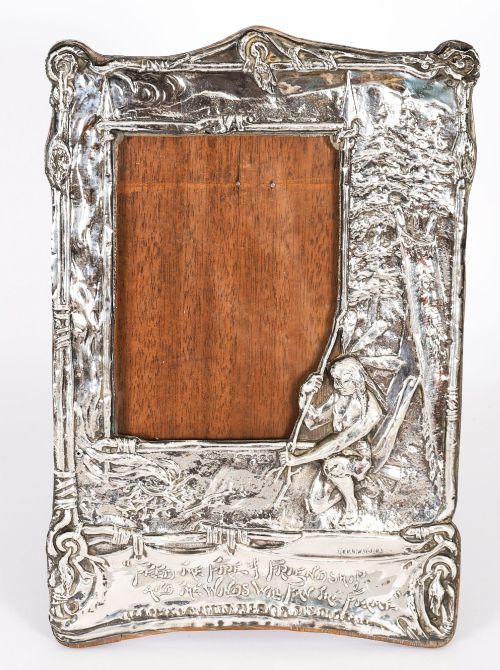
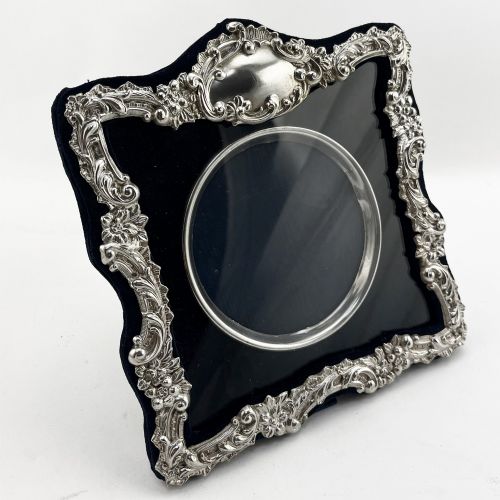
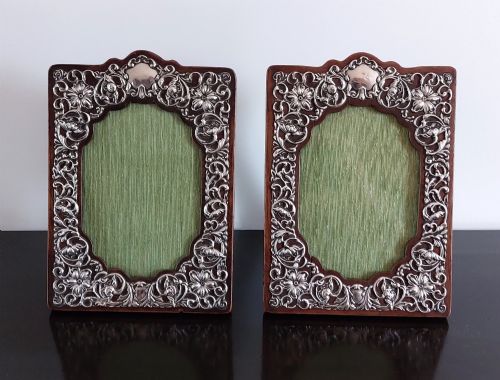
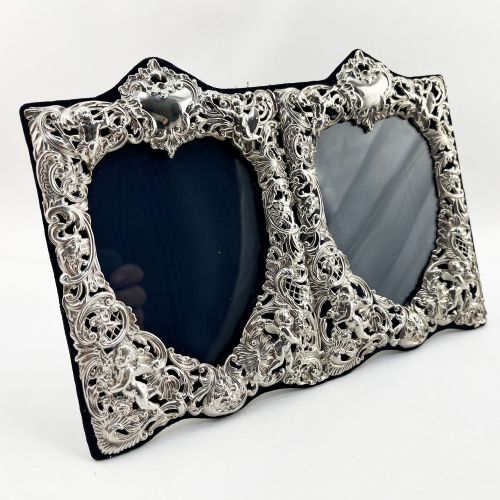
An antique repousse frame brings tactile depth to a room, formed through metal hammered from behind to raise floral, figural or geometric motifs.
Antique Repousse Frame
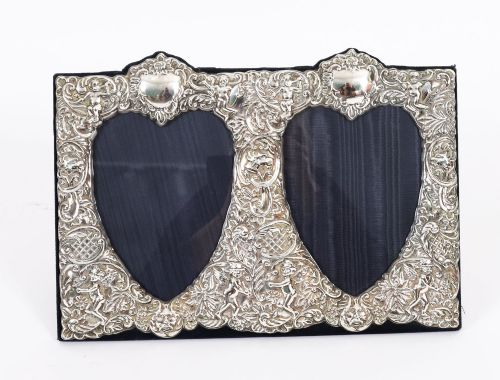
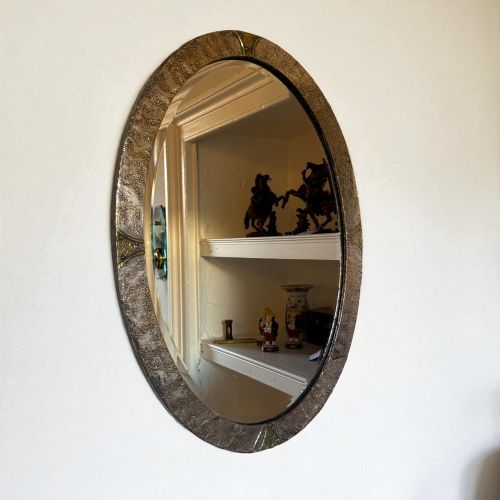
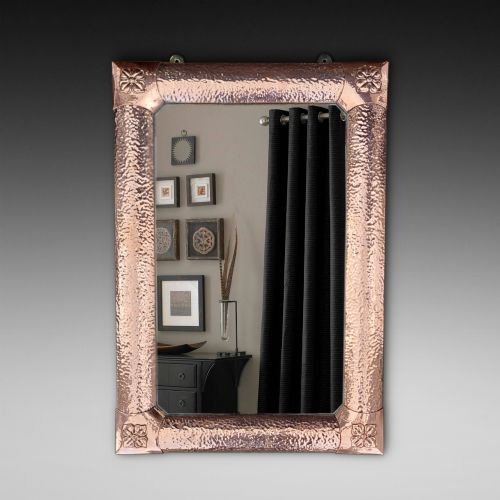
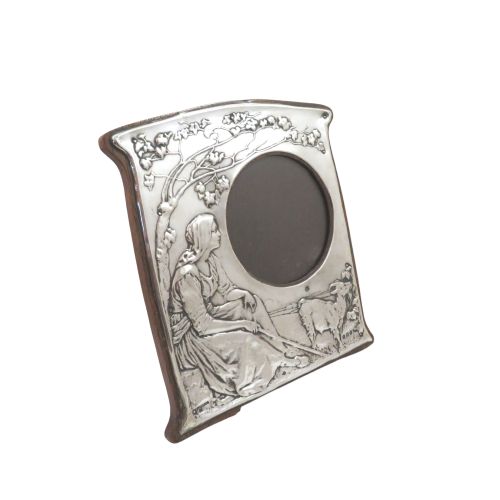
When you examine an antique repousse frame, you are looking at metalwork shaped by hammering from the reverse side to create raised designs on the front. The selection here leans heavily towards sterling silver photo frames, alongside brass and copper wall mirrors or dressing table mirrors.
Most examples date from the Victorian and Edwardian eras, stretching from the late nineteenth century into the opening decades of the twentieth. You will frequently encounter photograph frames, picture frames, and mirrors rendered in distinct period styles such as Arts and Crafts, Art Nouveau, and Victorian Rococo Revival.
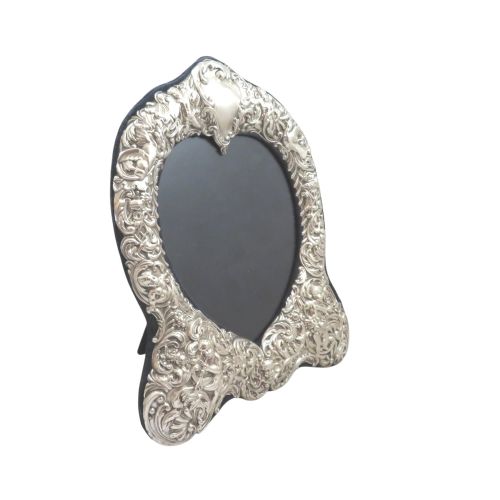
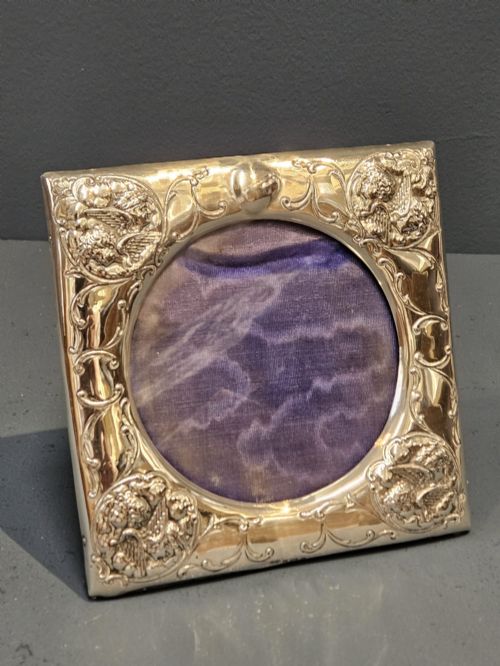
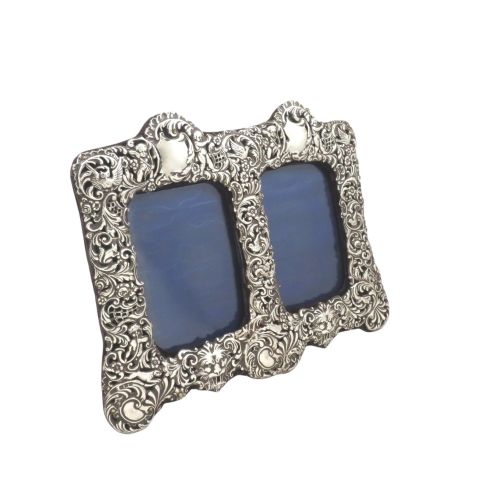
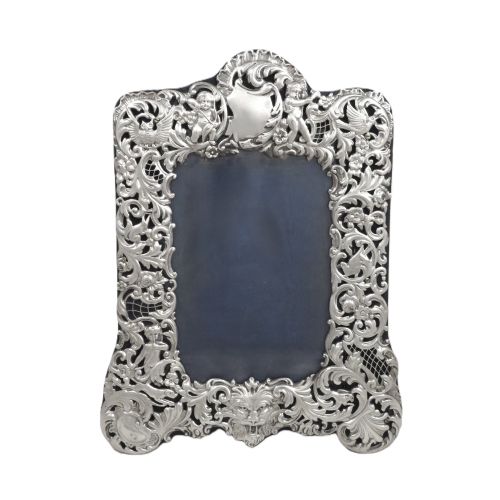
Forms range from simple rectangular apertures to double heart shapes, circular mounts, and cushion frames backed with wood and velvet. Makers utilised the malleability of sterling silver, copper, and brass to surround glass panels or photographic portraits with dense ornamental relief.
How they were made
Silversmiths and metalworkers began by securing sheet metal onto a soft, pitch-filled bed that held the piece steady while yielding to the hammer. Working from the reverse, they used punches and chasers to push the metal outward into high or low relief.
Once the primary contours emerged, the metal was flipped to the front face for fine detailing, engraving, and finishing work. Frames in copper and brass often display a hammered or beaten surface texture typical of the Arts and Crafts movement, while silver frames were frequently mounted on oak or velvet-backed wooden supports.
Antique Repousse Frame Retail Price Guide 2026
Typical asking prices for repousse frame among the pieces listed under this phrase on Sellingantiques today, from the lower quarter to the upper quarter. They describe what is for sale here now, not the wider market.
Listings feature sterling silver, copper, and brass across Victorian, Edwardian, and Arts and Crafts styles.
What varies in quality
Quality in an antique repousse frame depends primarily on the crispness and depth of the hand-hammered relief. Sharply defined motifs where feathers, cherubs' wings, or floral petals retain distinct edges indicate superior craftsmanship by skilled silversmiths.
The choice of materials and structural integrity also set pieces apart. Heavier gauge sterling silver and substantial oak backings with intact wooden struts represent the higher end of production compared to lighter metal casings or perished velvet backings.
William Comyns·Liberty & Co·Henry Matthews·Walker & Hall
The Antique Repousse Frame Glossary
- Repoussé
- Metalworking technique where the design is hammered into relief from the reverse side of the sheet. This creates a three-dimensional decorative surface that catches the light.
- Chasing
- Metalwork technique performed on the front side of the piece to refine and sharpen the details pushed out during the repoussé process. It adds texture and definition to the raised patterns.
- Sterling silver
- An alloy containing ninety-two point five percent silver by mass, with the remainder composed of other metals like copper for durability. Most British frames carry hallmark stamps verifying this standard.
- Art Nouveau
- Artistic style characterised by flowing, organic lines inspired by natural forms such as plants, insects, and hair. Frames from this period often depict butterflies, maidens, or stylized floral tendrils.
Antique Repousse Frame: Frequently Asked Questions
How do I clean an antique silver frame?
Clean sterling silver gently using a soft microfibre cloth to remove dust without disturbing the dark patina settled in the recessed areas of the repousse work.
Avoid abrasive dips or harsh commercial pastes that strip away age and flatten the crisp definition of the hand-hammered relief.
What periods do these frames come from?
The selection spans the late nineteenth century through the Edwardian period and into the nineteen thirties, with strong representation from Victorian and Arts and Crafts eras.
Assay office hallmarks on silver pieces often provide exact year letters to narrow down the date of manufacture.
How were these frames displayed originally?
Photograph frames and smaller mirrors were designed for dressing tables, mantelpieces, and occasional desks, supported by hinged wooden struts at the back.
Larger copper and brass mirrors featured integrated hanging loops or chains to be mounted securely onto drawing room walls.
Are the backings and glass original?
Many pieces retain their original wooden backings covered in velvet or watered silk, alongside bevelled mirror plates or early glass panes.
Replacements do occur over time due to wear, so inspecting the fit and materials against the period of the metal frame is recommended.