


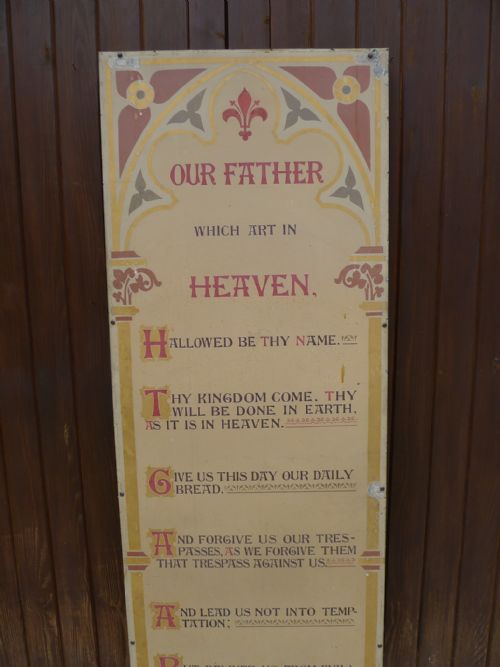
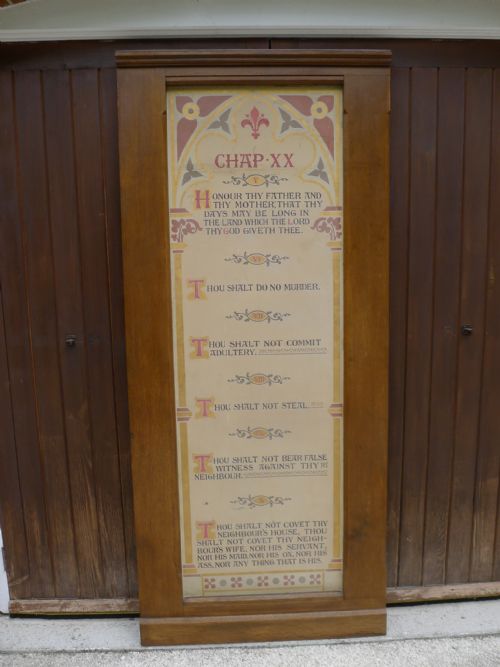


Antique Religious Text
An antique religious text brings centuries of devotion into a room, offering handwritten manuscripts, framed script and needlework samplers to anchor a space.
Antique Religious Text
When you search for an antique religious text, you encounter a diverse gathering of devotional objects spanning multiple centuries and cultural traditions. The selection includes framed wall art, manuscript leaves, needlework samplers, and diminutive prayer books designed for personal or communal worship.
You are most likely to meet Victorian Gothic Revival wall panels and illuminated texts originating from tin tabernacles alongside earlier manuscript leaves. These pieces range from seventeenth-century Tibetan Buddhist mulberry wood texts to eighteenth-century Dutch miniature bibles and Italian gilt altar frames.
The forms vary from large painted pine display signs and wall plaques to intimate domestic samplers worked by hand. Each item carries the specific aesthetic of its period, whether that is the strict lettering of an English wall sign or the intricate detail of an Italian baroque altar piece.
Materials and construction methods
Makers utilised organic materials such as oak, mulberry wood, pine, and paper, often combining them with paint, gilt, and mother of pearl. These substrates received handwritten ink, printed typography, or painstaking needlework stitches to convey sacred words.
Framing and mounting techniques varied according to the object's original function, utilising glass protection for delicate paper or textile works and heavy timber for structural wall panels and altar frames.
The listings span multiple centuries, incorporating oak, paper, paint, and mother of pearl across diverse global traditions.
Judging the quality of devotional pieces
Quality rests upon the preservation of the original surface, whether that is the crispness of painted lettering on wood or the intact state of delicate mulberry wood fibres. Pieces that retain their original frames, gilding, and unblemished text display greater integrity.
The sophistication of the handwork distinguishes finer examples, visible in the precision of a needlework sampler or the artistic execution of an illuminated wall text. Material quality, such as the use of genuine mother of pearl inlay or sound oak framing, elevates an item above standard domestic pieces.
The Antique Religious Text Glossary
- Illuminated text
- Hand-lettered script adorned with decorative painting, gold leaf, or vibrant colours. These works were designed to catch the light and command attention in places of worship.
- Needlework sampler
- A piece of embroidery produced by a maker to demonstrate proficiency in various stitches and alphabets. They frequently record biblical commandments or verses alongside names and dates.
- Cartagloria
- An Italian altar card or frame placed upon or behind an altar to display liturgical texts for the priest. They often feature elaborate gilt woodwork and baroque styling.
- Tin tabernacle
- A prefabricated corrugated iron church popular in the nineteenth and twentieth centuries. These buildings housed robust wall-mounted signage and painted texts for congregations.
- Mulberry wood
- A fibrous timber utilised for ancient manuscript production in regions such as Tibet. It provides a durable, tactile surface for block-printed or handwritten script.
Antique Religious Text: Frequently Asked Questions
How were these texts originally displayed?
Many wall-mounting panels and illuminated texts hung within places of worship like tin tabernacles or parish churches to instruct congregations.
Smaller items such as needlework samplers and miniature bibles functioned within domestic spaces for private contemplation and family education.
What materials are most common?
Wood forms the primary foundation for many items, appearing as oak frames, pine display signs, and mulberry wood manuscript leaves.
Paper, paint, gilt, and mother of pearl frequently appear alongside textiles and glass to present the sacred words.
How do I date a piece?
Dating relies upon stylistic markers such as Victorian Gothic Revival motifs, Edwardian signwriting techniques, or seventeenth-century manuscript formats.
Inscribed dates on items like samplers or colophons within books provide precise points of reference.
Are these pieces fragile?
Substrates like paper, mulberry wood, and historic textiles require protection from direct sunlight and excessive moisture to prevent degradation.
Framed pieces behind glass generally maintain their condition better than unmounted manuscript leaves.