
Antique Relief Wall Art
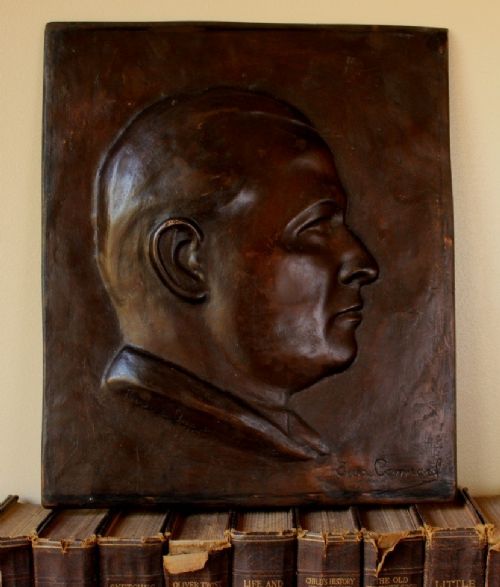
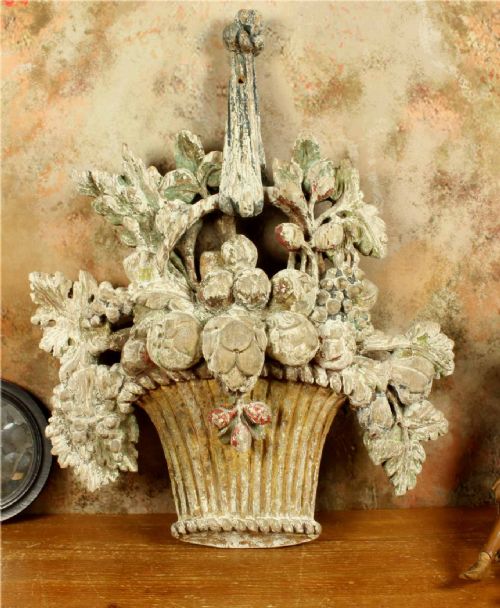
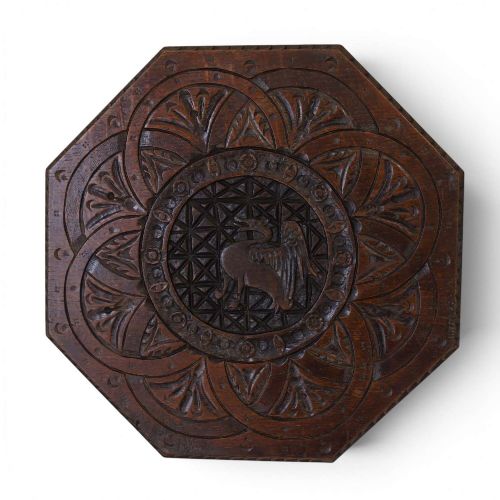
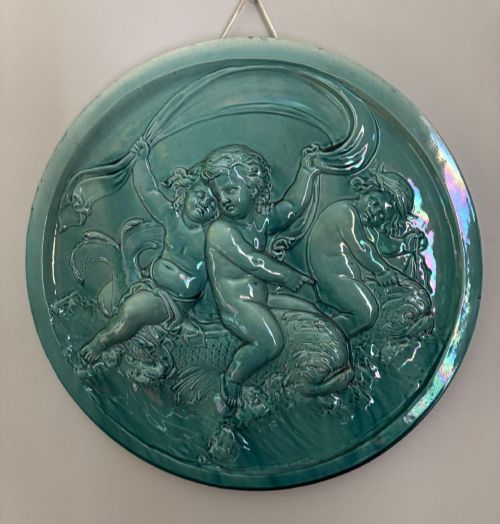
Antique relief wall art comprises sculptural panels, plaques, and intaglios in wood, plaster, and metal that bring tactile depth to an interior.
Antique Relief Wall Art
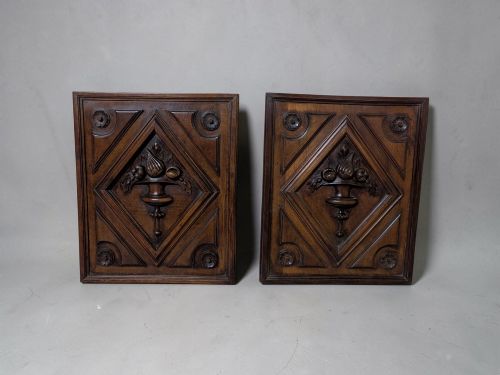
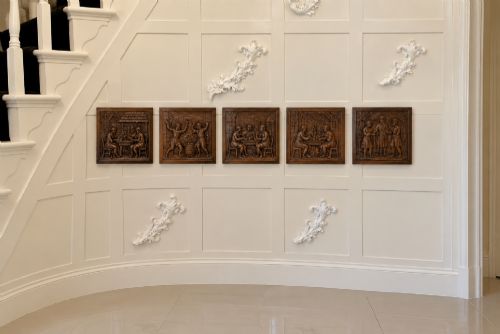
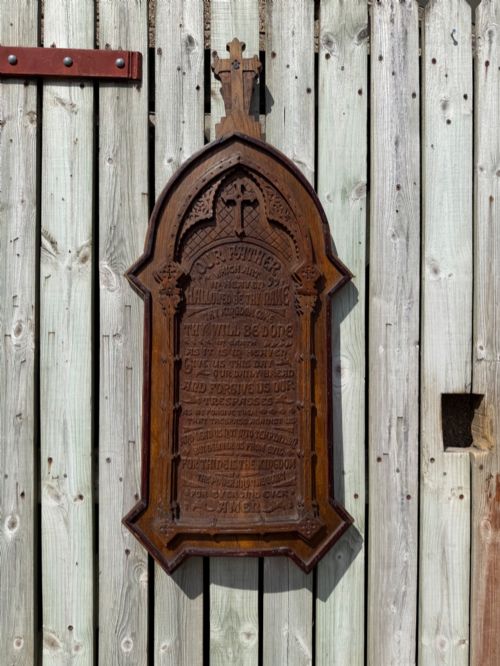
Antique relief wall art spans centuries of craftsmanship, taking the form of wall plaques, framed intaglios, carved panels, and architectural reliefs.
The pieces originate across Britain, Europe, and Asia, utilising materials ranging from carved oak and chestnut to plaster, terracotta, and bronze.
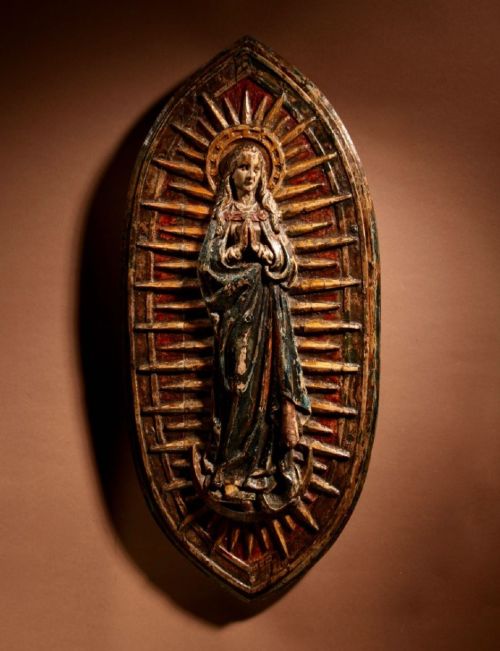
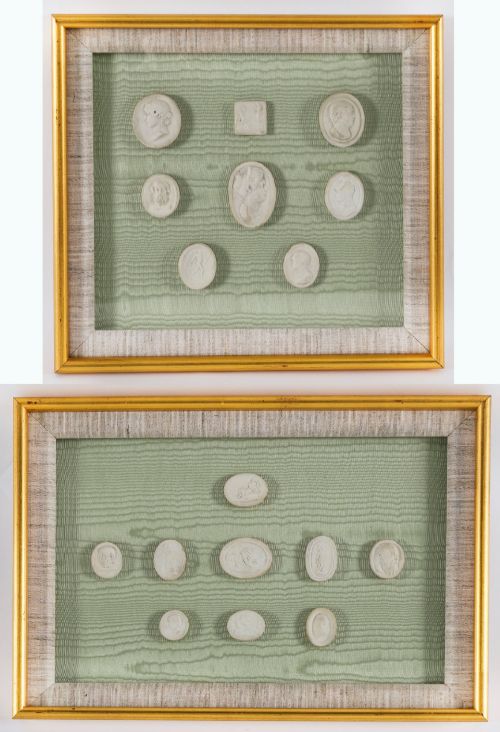
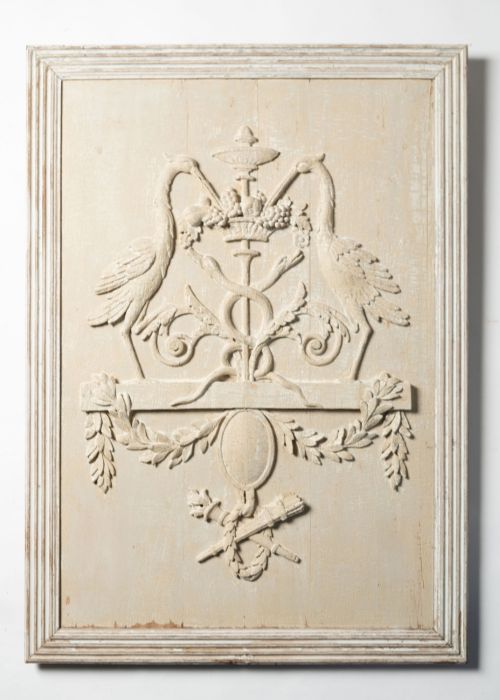
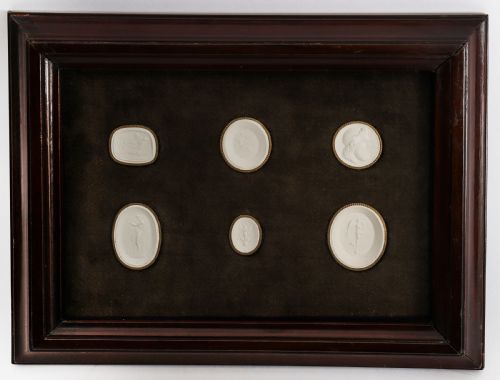
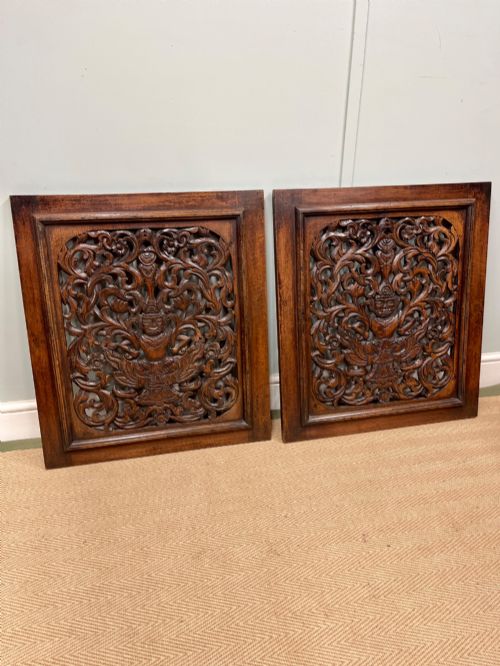
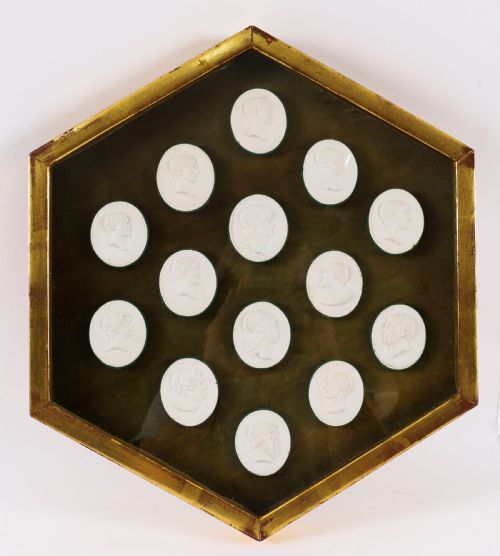
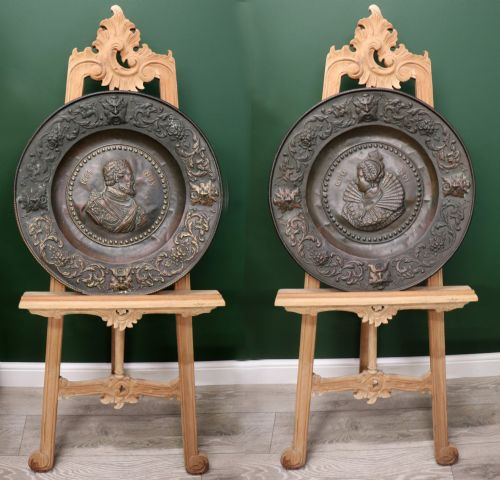
Examples on this page include 19th-century Grand Tour plaster casts, Gothic Revival copper chargers, and intricately carved wooden panels from various periods.
Materials and Techniques
Makers shaped these pieces through manual carving in timbers such as oak, fruitwood, and gilt wood, or moulded them in plaster, wax, and terracotta.
Metal versions employ casting and repoussé techniques in bronze, copper, silver plate, and white metal, frequently enhanced with gilding or gold leaf.
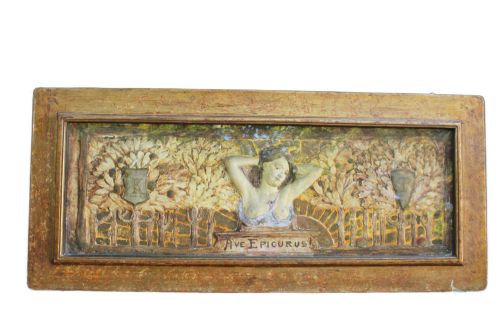
Many works incorporate framing in wood or glass, protecting delicate substances like wax portraits and plaster intaglios from environmental wear.
Current listings feature pieces spanning from the 17th century through the Art Nouveau and Arts and Crafts periods.
Craftsmanship and Detail
Quality rests in the crispness of the modelling and the depth of the carving, distinguishing masterwork from routine commercial production.
The fidelity of the cast in plaster intaglios or the precision of the chisel work in wooden panels defines the visual impact of the piece.
Samuel Dixon·Eugene Canneel·Giovanni Liberotti·Ernst Wahliss·Clement Messier·Sherwin and Cotton
The Antique Relief Wall Art Glossary
- Relief
- Sculpture where figures project from a flat background. High relief projects significantly, while low relief remains flatter.
- Intaglio
- A design carved into a material so that the impression sits below the surface. Grand Tour examples feature plaster or wax casts of classical gems.
- Repoussé
- Metalworking technique where a malleable metal is hammered from the reverse side to form a raised design. Copper and bronze wall chargers often utilise this method.
- Polychrome
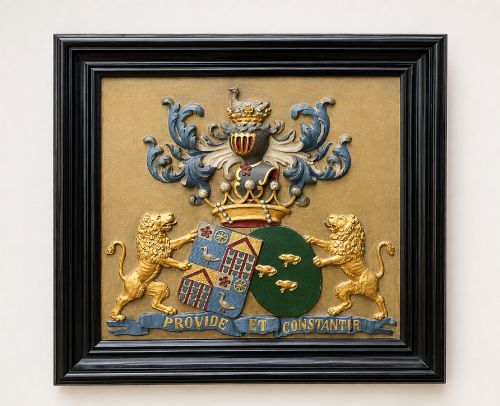
- Decorated in multiple colours. Painted plaster or wood reliefs frequently employ this finish to heighten realism.
Antique Relief Wall Art: Frequently Asked Questions
How do I hang heavy wooden reliefs?
Heavy wooden panels and cast metal plaques require secure wall anchoring to support their weight safely. Utilising appropriate wall plugs and brackets matched to the wall construction is essential.
Professional framing or mounting brackets distribute the load evenly across the structure of the panel.
How are plaster intaglios displayed?
Plaster intaglios are typically arranged in framed collections behind glass to protect the delicate material from dust and damage. These sets often preserve classical or historical motifs gathered during the Grand Tour.
Displaying them away from direct sunlight prevents the plaster and any accompanying velvet backing from fading.
How do I identify the period of a relief?
Period identification relies on stylistic cues, material analysis, and construction methods. Neoclassical, Gothic Revival, and Arts and Crafts movements each dictate specific decorative vocabularies.
Signatures, stamps, and labels found on the reverse of panels or frames provide additional historical context.