

Antique Regency Silver
These pieces of antique regency silver carry the restrained neoclassical lines and bright metalwork that defined elite dining rooms two centuries ago.
Antique Regency Silver
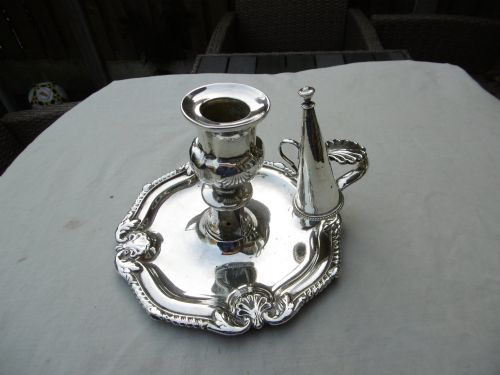
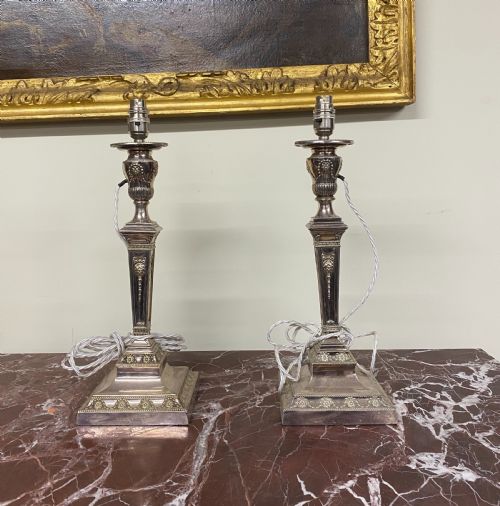
When you search for antique regency silver, you encounter functional domestic objects and dining table accessories from the late Georgian and Regency eras. The inventory spans sterling items alongside significant quantities of Old Sheffield Plate, a fused metal technique that gave households access to substantial vessels at lower costs.
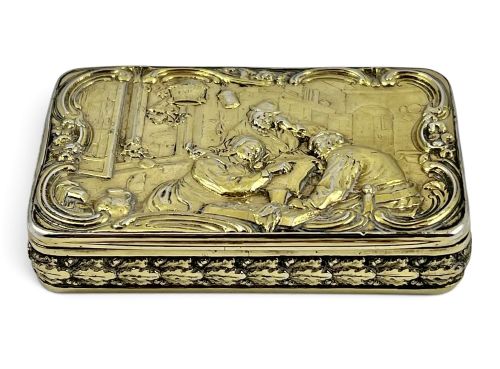
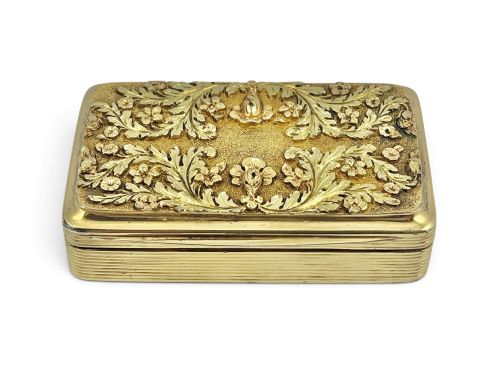
The objects take many forms, including wine coasters, snuff boxes, muffineers, tea caddies, and sauce tureens. Vinaigrettes and cream jugs appear frequently, reflecting the social rituals of tea, dining, and personal grooming during the early nineteenth century.
Originating predominantly from British workshops, these pieces often bear London or Sheffield assay marks alongside period styles like Neoclassical and Grand Regency. While Georgian and 19th Century designations dominate, the surviving output captures a distinct moment of British silversmithing before Victorian ornamentation took hold.
Judging the work
Quality rests on the crispness of the chasing, the weight of the metal, and the integrity of the fused silver layer on plated pieces. Crisp engraving and well-defined hallmarks indicate a maker who worked with precision and care.
Proportion and balance separate standard utilitarian vessels from superior examples commissioned for wealthy patrons. Pieces retaining original gilding inside boxes and intact crests command greater consideration from collectors.
Antique Regency Silver Retail Price Guide 2026
Typical asking prices for regency silver among the pieces listed under this phrase on Sellingantiques today, from the lower quarter to the upper quarter. They describe what is for sale here now, not the wider market.
Listings feature items from the Georgian and Regency periods, utilising sterling silver, copper, and Old Sheffield Plate in forms like wine coasters and tea urns.
JOHN SHAW·S.C. Younge & Co.·Dee & Fargus·Solomon Hougham·William Burwash
The Antique Regency Silver Glossary
- Old Sheffield Plate
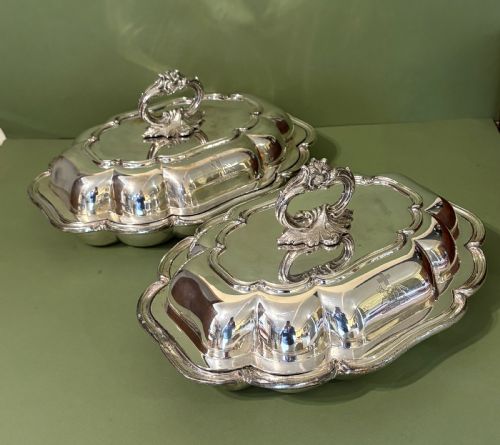
- A composite material made by fusing a thin layer of sterling silver to a copper base before rolling them into sheets. This technique predates electroplating and produces items with a warm, distinctive wear pattern.
- Bright-cut engraving
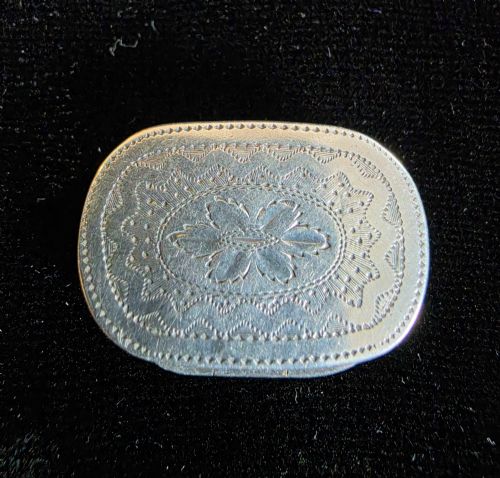
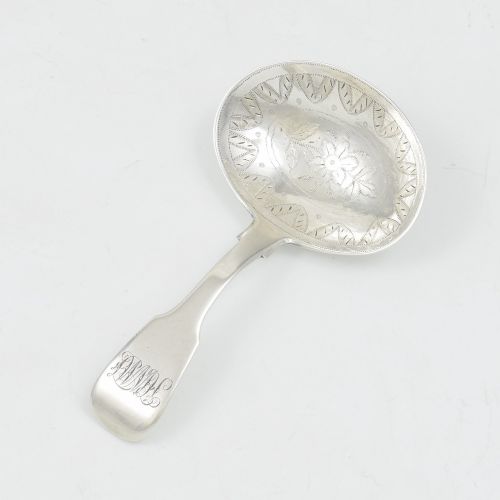
- A faceted surface decoration carved with a sharp V-shaped graving tool. It creates glittering geometric patterns popular on small silver boxes and tea caddies.
- Muffineer
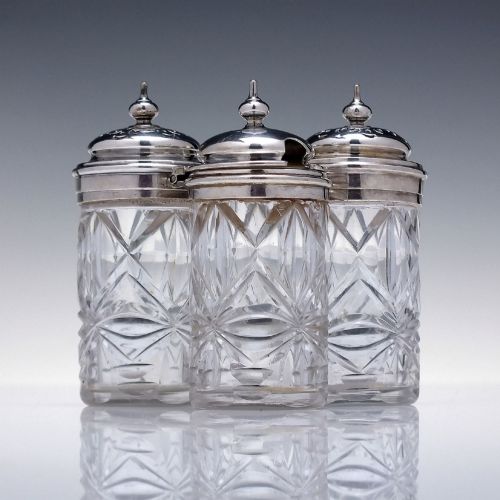
- A small perforated caster used for dusting sugar or spices onto muffins or toast. They resemble miniature pepper pots with domed lids.
- Vinaigrette
- A small pocket container fitted with a perforated grille inside, holding a sponge soaked in aromatic vinegar. Victorians and Georgians used them to ward off foul odours in public.
- Parcel gilt
- Silverwork that is partially gilded with a thin layer of gold on specific areas, usually the interior of vessels or select decorative motifs. This accentuates the contrast between the white silver and yellow gold.
Antique Regency Silver: Frequently Asked Questions
What is Old Sheffield Plate?
Old Sheffield Plate is an early composite material created by thermally fusing sterling silver to a thick copper ingot. Craftsmen then rolled the combined metals into sheets to form large domestic items.
This method allowed makers to produce substantial vessels like wine coolers and tea urns with the appearance of solid silver at a fraction of the cost.
How do I clean these items?
Cleaning requires a soft microfiber cloth and a mild, non-abrasive silver polish formulated for antiques. Avoid aggressive rubbing, particularly on Old Sheffield Plate where vigorous cleaning can expose the copper beneath.
For pieces with intricate bright-cut engraving or parcel gilding, use a soft brush to gently remove tarnish from recessed areas without scratching the surface.
Were these pieces used daily?
Many items served practical functions in elite households, from wine funnels and cream jugs to mustard pots and tea caddies. They were integral to the formal dining and social rituals of the Georgian period.
Over decades of use, pieces often accumulated light surface wear and minor dings that now form part of their historical character.
How do I read the hallmarks?
British hallmarks stamped into the metal typically indicate the city of assay, the standard of silver, and a date letter corresponding to a specific year. Makers also stamped their initials or full names into the piece.
Reference guides match these punch marks to specific silversmiths and registration years, providing a precise provenance for sterling items.