

Antique Refectory Desk
An antique refectory desk brings centuries of utility and heavy timber character into a workspace, offering a vast surface rooted in monastic and domestic traditions.
Antique Refectory Desk
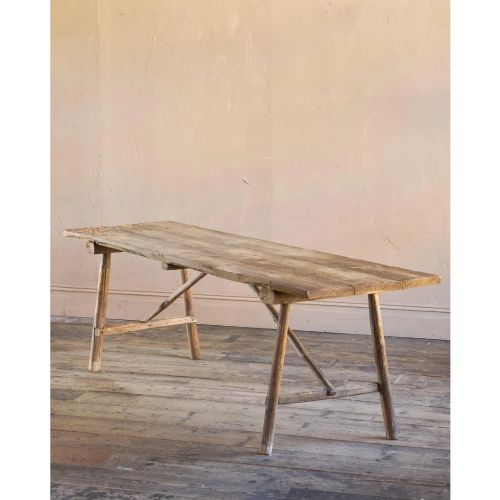
When searching for an antique refectory desk, buyers encounter heavy timber tables adapted from communal dining halls for writing, study, and administrative work. These pieces span centuries of domestic and institutional use, appearing in forms ranging from primitive pine boards to formal library tables.
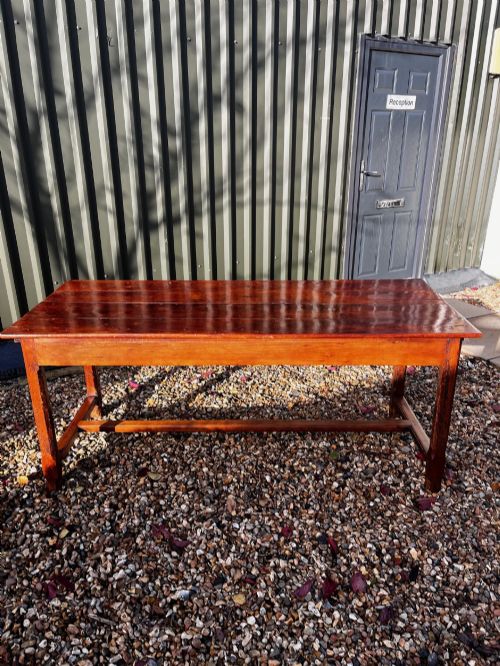
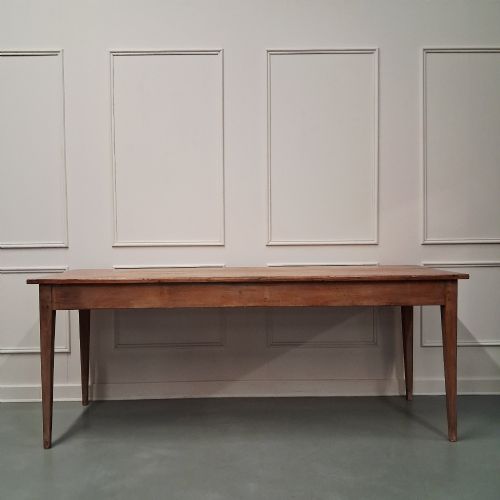
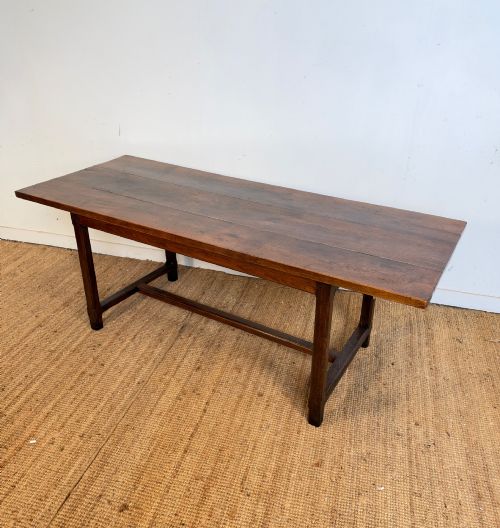
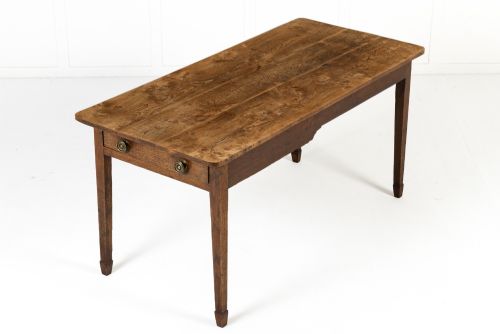
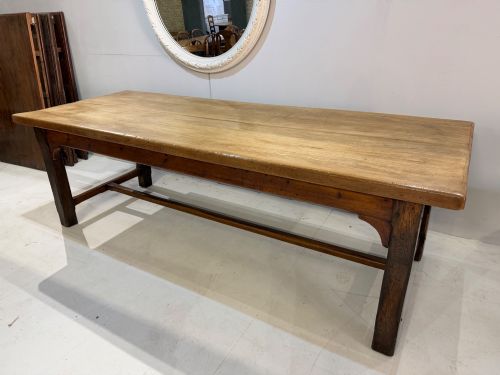
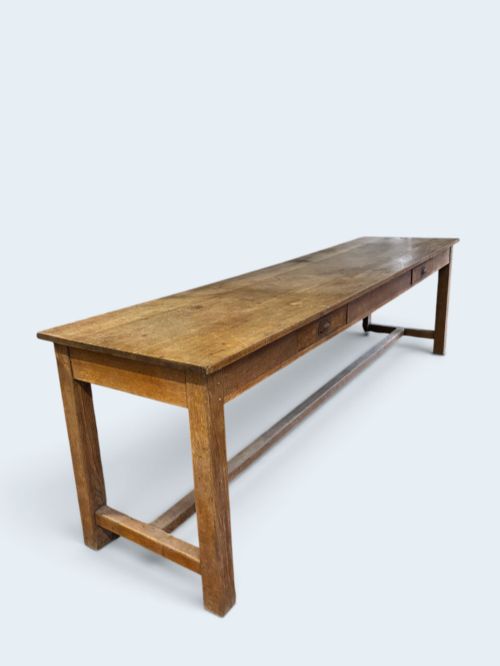
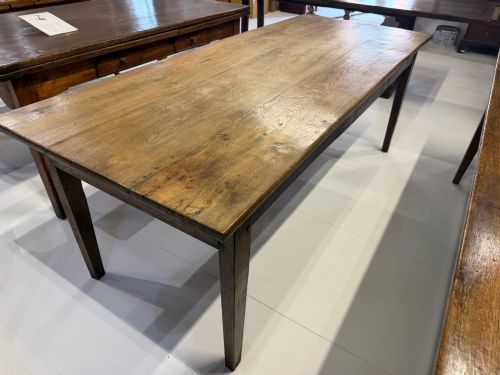
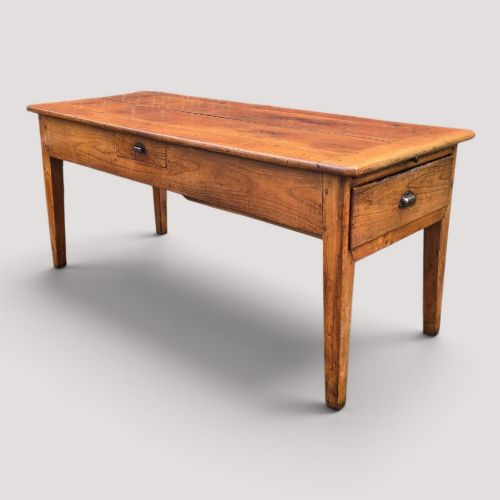
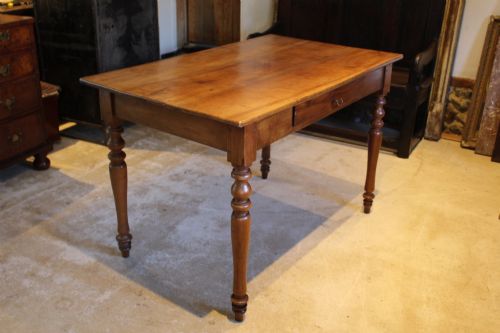
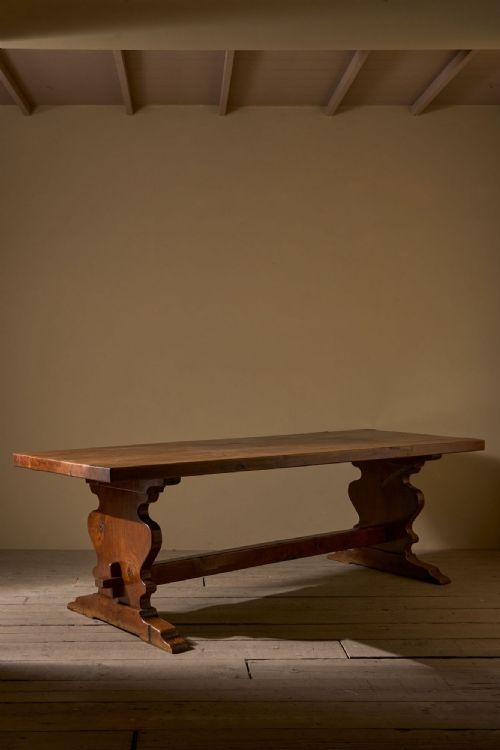
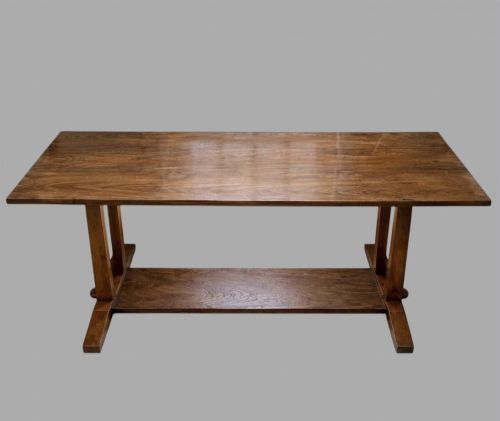
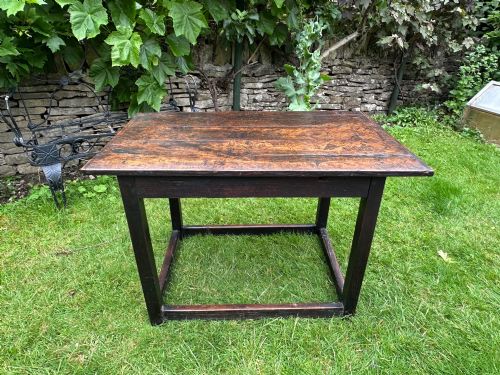
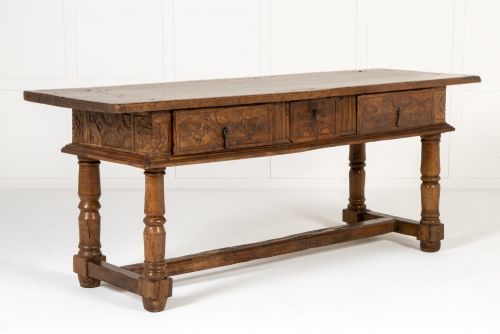
The version most commonly met on this page is the 19th century oak farmhouse or library table, frequently featuring stretchers, thick plank tops, and occasional storage drawers. Alongside these sit Spanish walnut trestle tables and French cherry wood variants reflecting provincial craftsmanship.
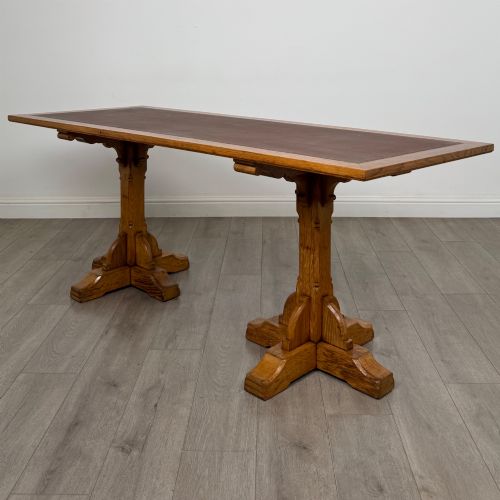
Makers and workshops utilised sturdy timbers to build surfaces capable of enduring heavy daily employment. Buyers will find historical examples originating from diverse European traditions, including Gothic Revival, Arts and Crafts, and Spanish Baroque styles.
What varies in quality
The distinction between standard utility pieces and finer examples lies in the selection of timber and the integrity of the original construction. Quartered oak surfaces and rich natural patina separate superior examples from plain or heavily restored equivalents.
Proportion and carving depth define the upper tier of regional pieces, such as Spanish walnut tables and Gothic Revival desks. Tables retaining their original drawer configurations and untouched surface finishes command greater interest from collectors.
Antique Refectory Desk Retail Price Guide 2026
Typical asking prices for refectory desk among the pieces listed under this phrase on Sellingantiques today, from the lower quarter to the upper quarter. They describe what is for sale here now, not the wider market.
Listings span periods from the 17th century through the 1930s, featuring woods such as oak, walnut, pine, cherry wood, and beech.
Heals
The Antique Refectory Desk Glossary
- Refectory table
- A long narrow dining or working table originally used in monastic refectories. These forms evolved into domestic and library tables during later centuries.
- Trestle table
- A table structure consisting of two or more upright supports connected by a horizontal beam or stretcher. This design allows maximum legroom along the length of the top.
- Patina
- The surface sheen and coloration developed through years of handling, polishing, and exposure to light. A good patina indicates genuine age and careful maintenance.
- Quartered oak
- Timber sawn at right angles to the growth rings, producing a distinctive silver grain figure known as medullary rays. This cut offers superior stability for large table tops.
- Mortise and tenon
- A traditional woodworking joint where a protruding tongue fits tightly into a corresponding cavity. This method provides robust structural rigidity without relying on metal fasteners.
Antique Refectory Desk: Frequently Asked Questions
What is an antique refectory desk?
An antique refectory desk is a long, sturdy wooden table historically adapted from communal dining halls for writing and administrative tasks. They provide substantial surface areas supported by heavy legs or trestle bases.
These pieces often feature thick plank tops and occasional storage drawers. They reflect centuries of domestic, school, and institutional use across Europe.
How were refectory desks used historically?
Originally built for communal dining in monasteries and large estates, these long tables later served in libraries, public schools, and farmhouses. Their robust construction accommodated heavy books, writing equipment, and daily labour.
Over time, smaller or narrower variants found a permanent home in studies and hallways as writing desks and serving surfaces.
How do I live with an antique desk?
Living with a large wooden desk requires accepting natural timber movement and historical marks as part of the piece's character. Use beeswax periodically to nourish the dry wood and protect the surface from moisture.
Ensure placement avoids direct heat sources and strong sunlight to preserve the original patina and prevent timber splitting.
How do I identify different periods?
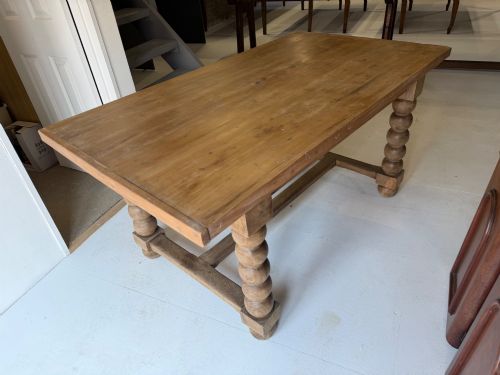
Earlier pieces from the seventeenth century often feature heavy walnut timber, simpler trestle constructions, and deep hand-carved details. Nineteenth-century examples frequently incorporate oak or cherry wood with turned legs and functional drawers.
Arts and Crafts variants from the early twentieth century display quartered oak and clean joinery. Inspecting the underside, tool marks, and fixings helps determine the manufacturing era.