




Antique Red Brooch
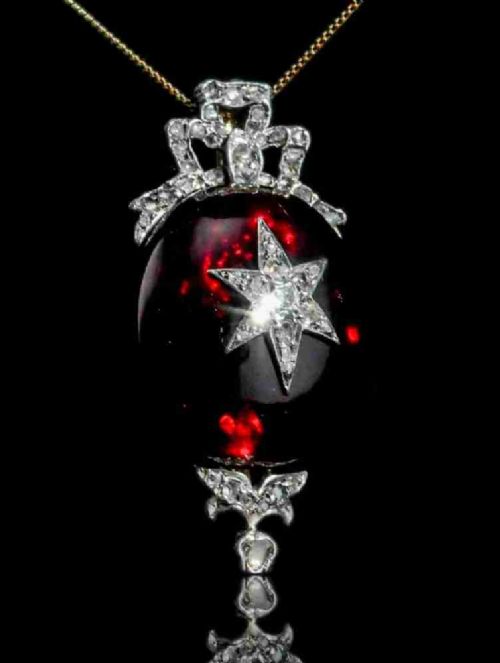
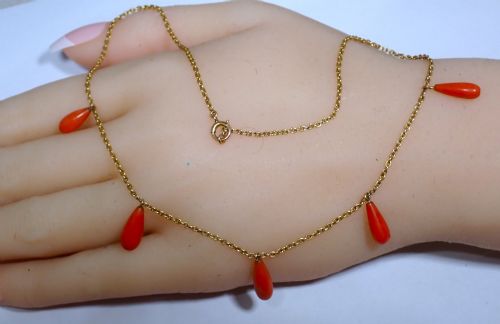
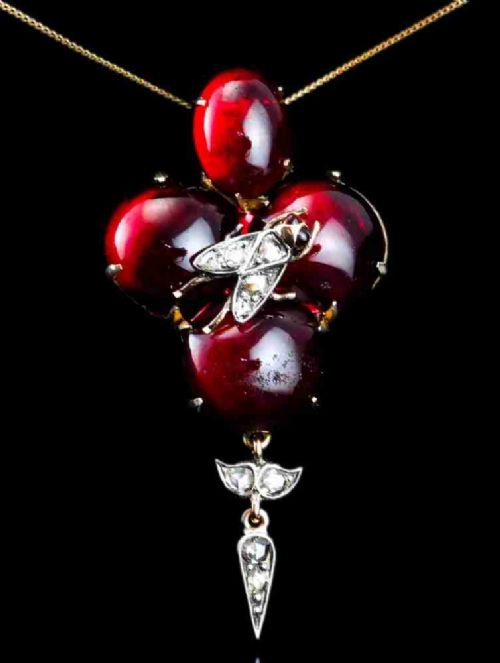
An antique red brooch brings warmth through deep garnets, glowing rubies, enamel and agate set in gold, silver or platinum.
Antique Red Brooch
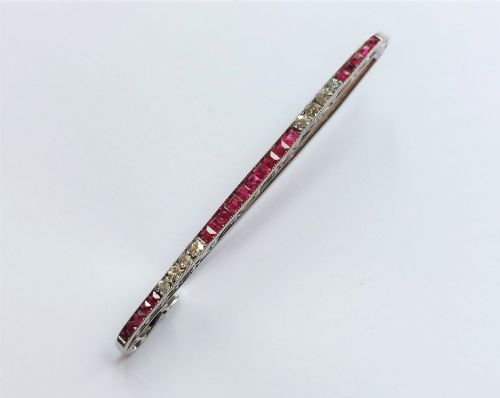
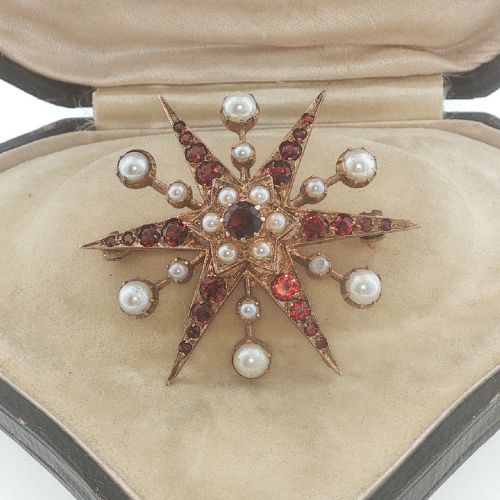
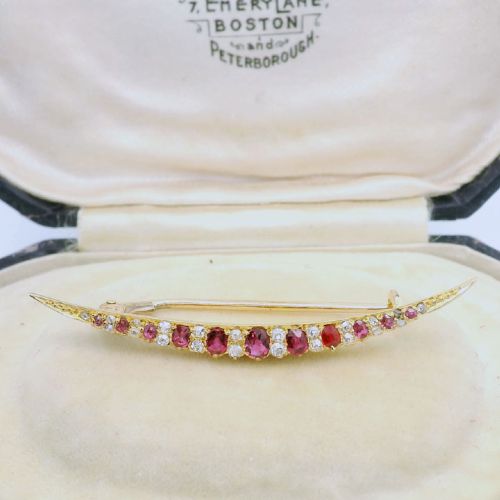
When someone searches for an antique red brooch, they encounter pieces spanning the Georgian, Victorian, Edwardian and mid-century eras. These ornaments take various forms, from crescent shapes and starbursts to bar pins and pendant brooches.
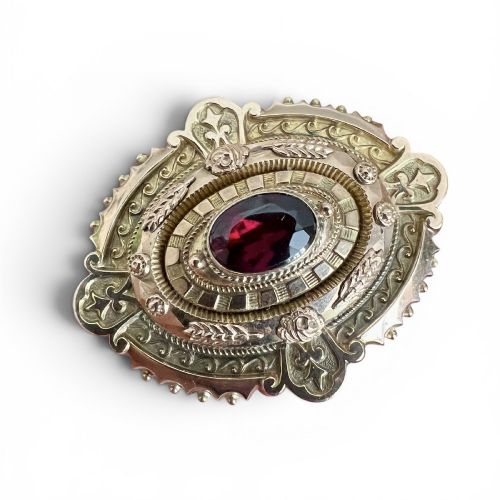
Victorian examples dominate the selection, frequently utilising deep red garnets alongside gold, silver or seed pearls. Pieces range from large Etruscan revival lockets to delicate lace pins.
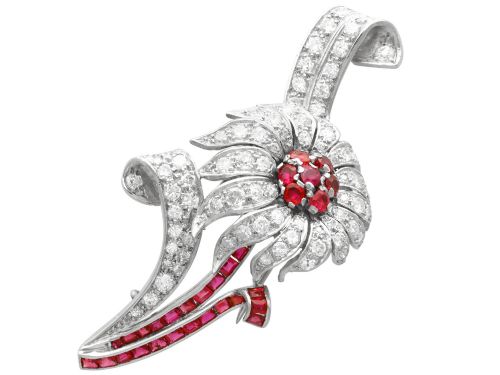
Edwardian and Art Deco iterations introduce lighter frameworks in platinum or yellow gold, pairing bright rubies with diamonds in geometric or floral arrangements.
Materials and construction
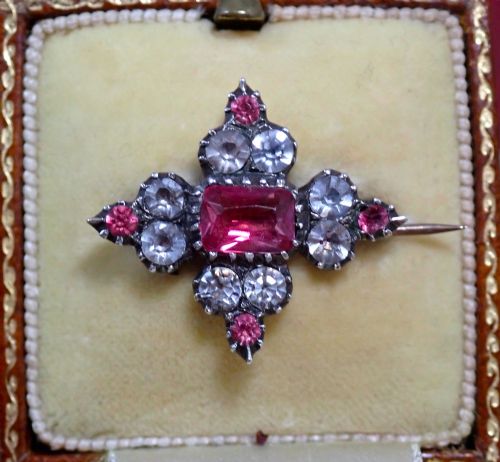
Goldsmiths and silversmiths utilised 9ct, 15ct and 18ct yellow and rose gold, alongside sterling silver and platinum, to mount red gemstones. Stones such as garnets, almandine garnets, rubies and paste are secured with claw settings, foil backs or closed backs depending on the period.
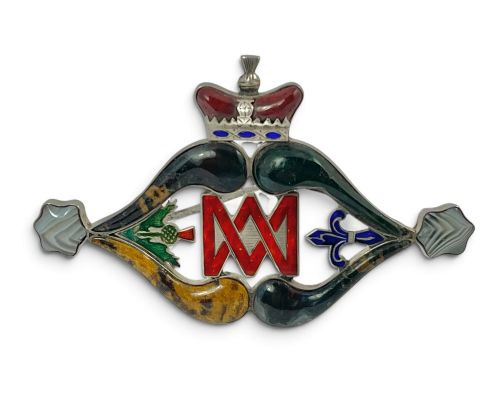
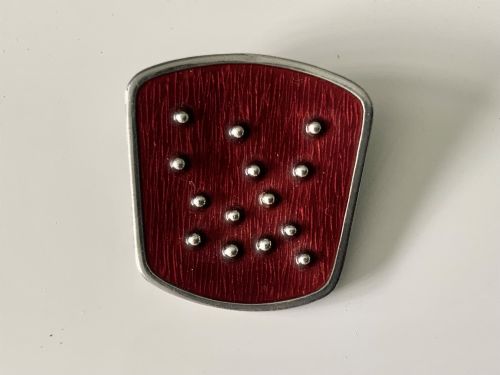
Accents of seed pearls, enamel guilloche and agate provide textural contrast to the red focal points. Techniques such as granulation and wirework define the Etruscan revival pieces from the nineteenth century.
Antique Red Brooch Retail Price Guide 2026
Typical asking prices for red brooch among the pieces listed under this phrase on Sellingantiques today, from the lower quarter to the upper quarter. They describe what is for sale here now, not the wider market.
Distinctions in quality
The sophistication of the metalwork and the depth of colour in the red stones dictate the grade of the piece. Hand-carved agates, well-matched seed pearls and substantial gold weights elevate older examples.
Precision in stone cutting, particularly with flat-cut garnets or brilliant-cut diamonds, separates standard production from finer artisan work.
The Antique Red Brooch Glossary
- Carbuncle
- A cabochon-cut garnet, typically deep red and unfaceted, polished smooth to display a glowing dome.
- Guilloche
- An engraved pattern on metal, frequently covered with translucent enamel to show the decorative lines underneath.
- Etruscan Revival
- A nineteenth-century style inspired by ancient archaeological discoveries, characterised by intricate gold granulation and wirework.
- Paste
- Hand-cut glass used as a gemstone substitute in Georgian and Victorian jewellery, valued for its own decorative merit.
- Seed Pearl
- Very small natural pearls, often drilled and strung or sewn onto metal to frame central stones.
Antique Red Brooch: Frequently Asked Questions
What periods do these brooches come from?
The pieces span several centuries, starting from the Georgian era through to Victorian, Edwardian, Art Deco and mid-century periods. Each era brought distinct metalworking techniques and gemstone preferences.
Victorian pieces often feature heavy gold and deep garnets, whilst Edwardian designs lean towards lighter platinum and delicate ruby accents.
How were antique brooches worn originally?
Victorian and Edwardian ladies pinned them to the collars of high-necked blouses, lapels of coats, or at the centre of lace collars. Many functioned as convertible pendant brooches, allowing them to hang from a chain.
They also secured sashes, shawls and cravats, serving a practical purpose alongside decorative display.
How do I care for an antique red brooch?
Keep the piece away from harsh chemical cleaners, ultrasonic baths and modern cosmetics, which can damage softer stones like pearls or degrade foil-backed gems. A soft, dry cloth is usually sufficient for gentle cleaning.
Store the brooch in a lined box away from other jewellery to prevent scratches on the gold, silver or gemstones.
Can I wear a brooch on modern clothing?
These pieces suit heavy fabrics like wool coats, knitted cardigans, denim jackets and structured blazer lapels. The weight of the brooch determines the fabric needed to support the pin securely.
Heavier Victorian locket brooches require sturdy weaves, whilst lighter lace pins suit silks and fine cottons.