

Antique Reading Books
These antique reading books and stands bring together timber, brass, and iron to hold volumes close in the library or parlour.
Antique Reading Books
When you search for antique reading books, you encounter items designed to support texts for study or display, ranging from heavy church lecterns to revolving bookcases and small adjustable reading tables. These objects date across the nineteenth and early twentieth centuries, spanning the Regency, Victorian, Edwardian, and Arts and Crafts periods.
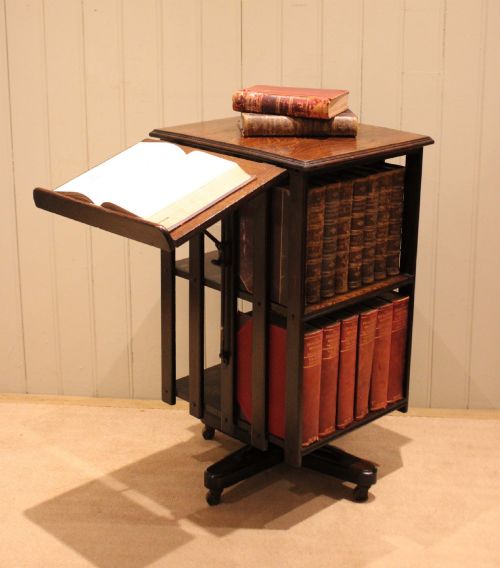
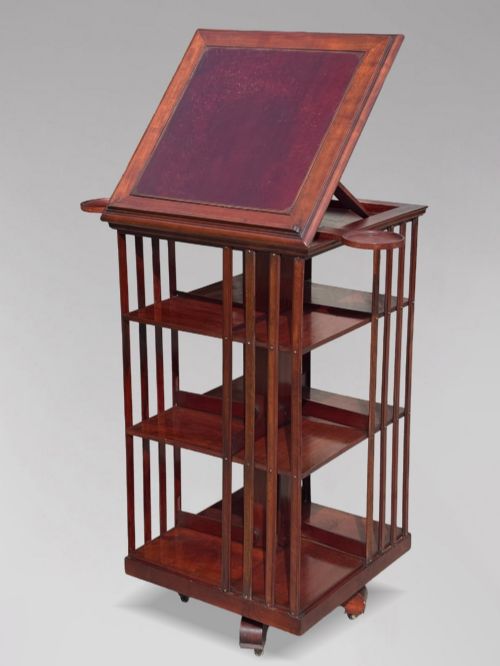
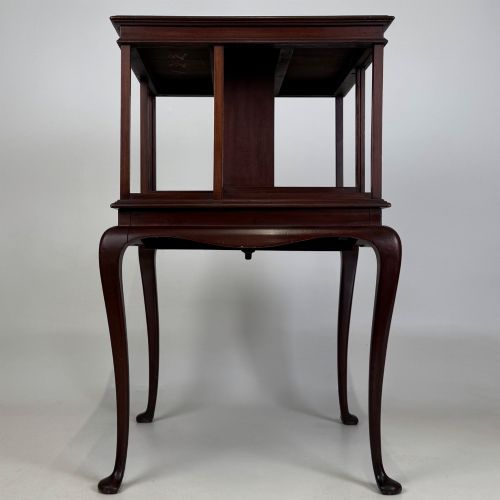
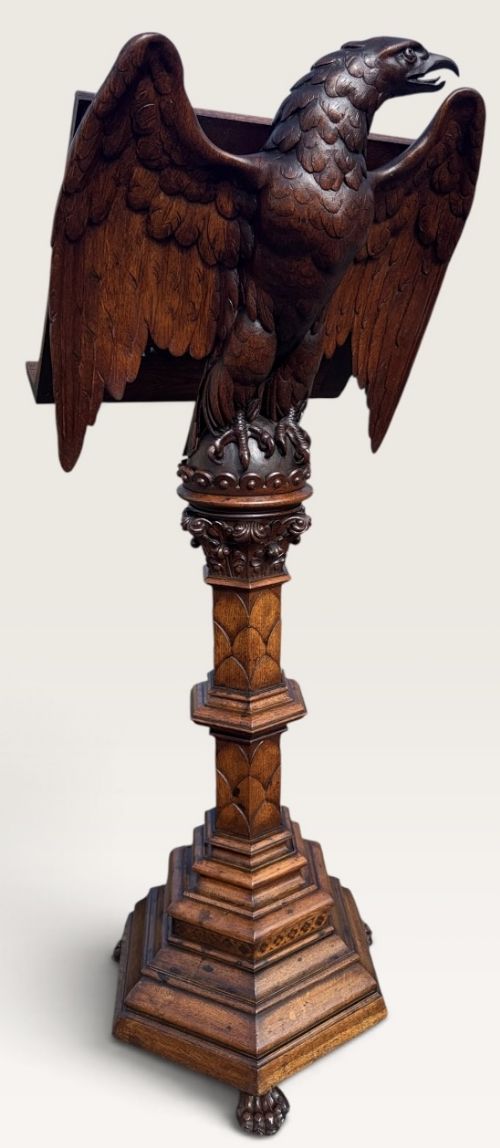
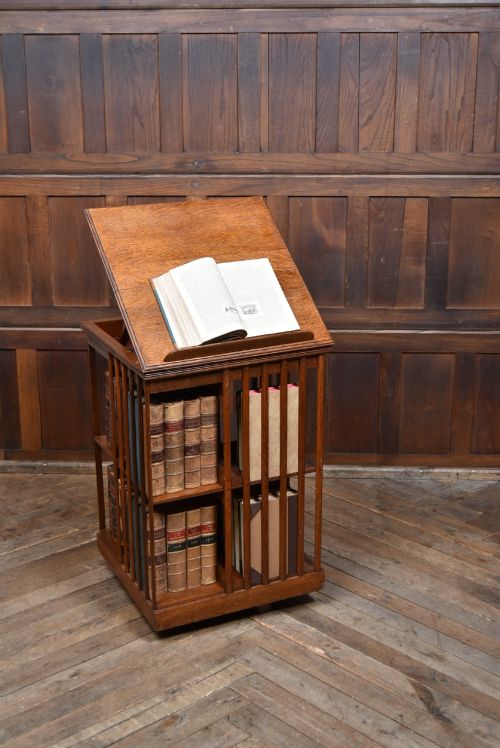
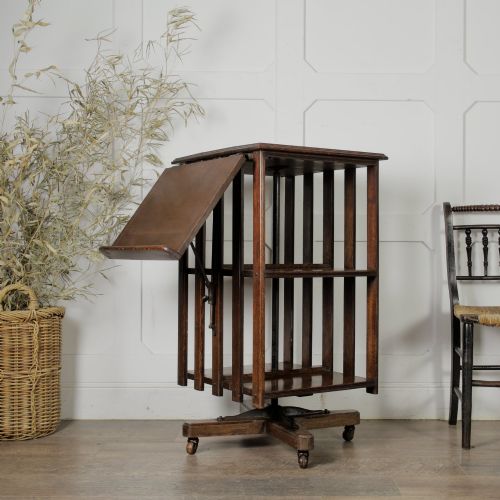
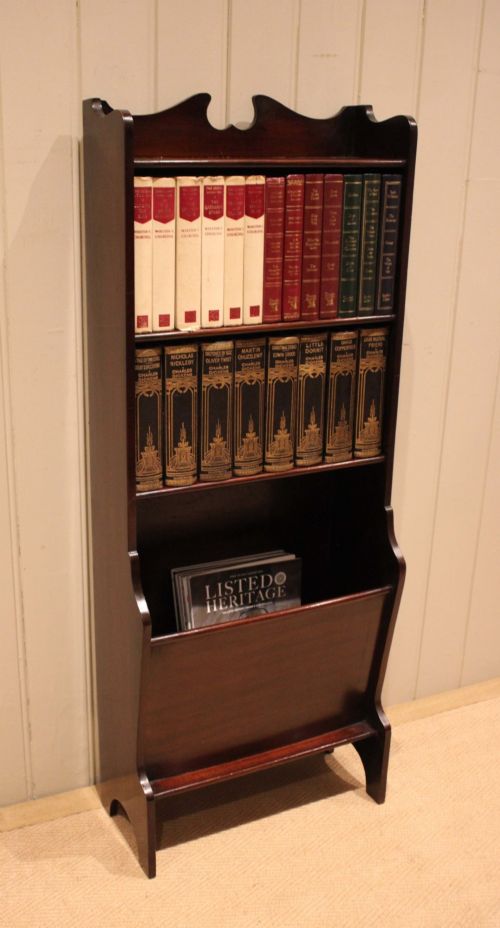
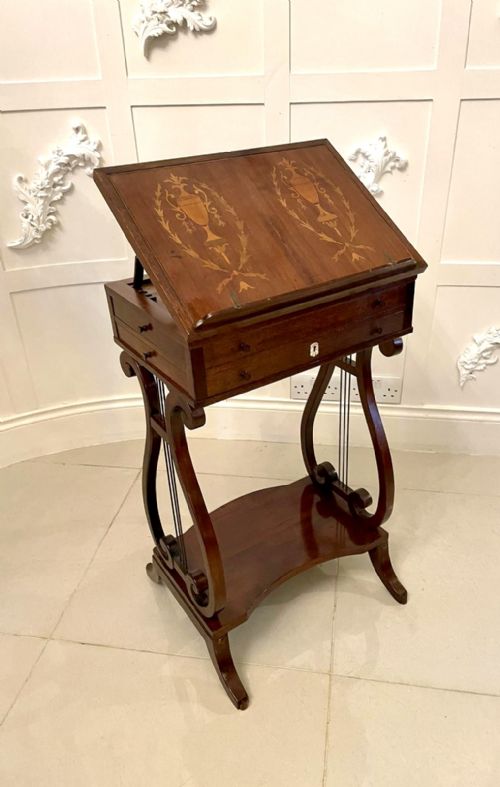
Mahogany and oak dominate the selection, shaped into revolving bookstands, desk-top book rests, and library chairside tables. You also find specialised forms such as music stands, church lecterns with carved eagles, and occasional tables fitted with folio stands.
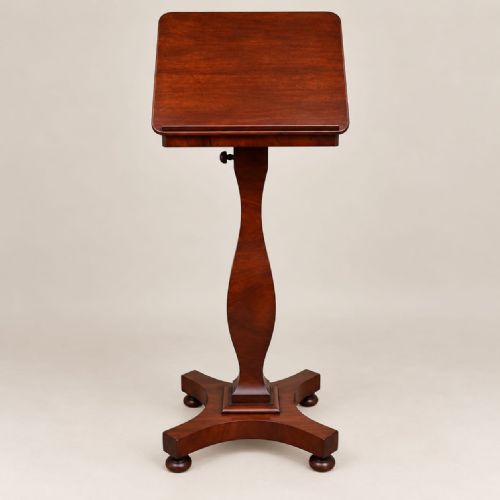
Originating largely from British workshops alongside French and Italian examples, these pieces reflect the domestic and ecclesiastical reading habits of their eras. The selection moves from floor-standing revolving bookcases to portable table-top easels and slope-shelf book troughs.
How they were made
Cabinet makers utilised solid and veneered timbers including mahogany, oak, rosewood, pine, and burr walnut. Joinery techniques varied from simple pegging on pine and oak pieces to fine cabinet work on inlaid mahogany and rosewood tables.
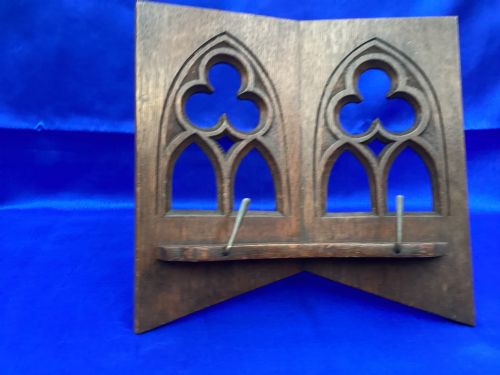
Metal components in brass, cast iron, and sterling silver were incorporated for adjustable mechanisms, hinges, and book rests. Carved details appear frequently on oak lecterns and podiums, executed in styles such as Gothic Revival and Arts and Crafts.
Antique Reading Books Retail Price Guide 2026
Typical asking prices for reading books among the pieces listed under this phrase on Sellingantiques today, from the lower quarter to the upper quarter. They describe what is for sale here now, not the wider market.
Listings feature items spanning the Regency period through to the nineteen-twenties, constructed in mahogany, oak, pine, and rosewood.
What varies in quality
The degree of hand-carving and timber selection separates standard items from exceptional ones. Solid oak and figured mahogany with intricate carving or inlaid details represent finer workshop output.
Mechanical complexity and the survival of original adjustable ratchets, screw stems, and revolving platforms dictate the functional integrity of stands and tables. Simpler utility pieces contrast with elaborate library furniture.
Crisford & Norris·Osborne Garrett & Co
The Antique Reading Books Glossary
- Lectern
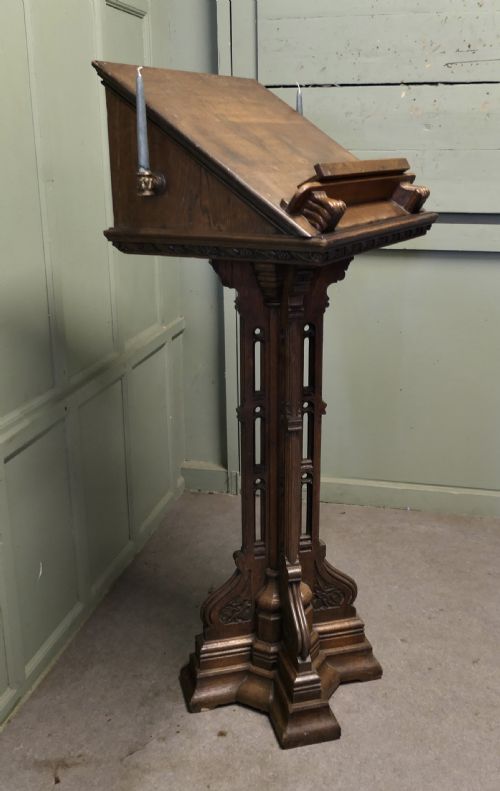
- A tall stand with a sloping top to hold a book for reading aloud. These often feature carved details or eagle motifs.
- Revolving bookcase
- A low, square bookcase mounted on a pivot that turns to give access to books on all sides. They appear frequently in mahogany and oak.
- Sutherland table
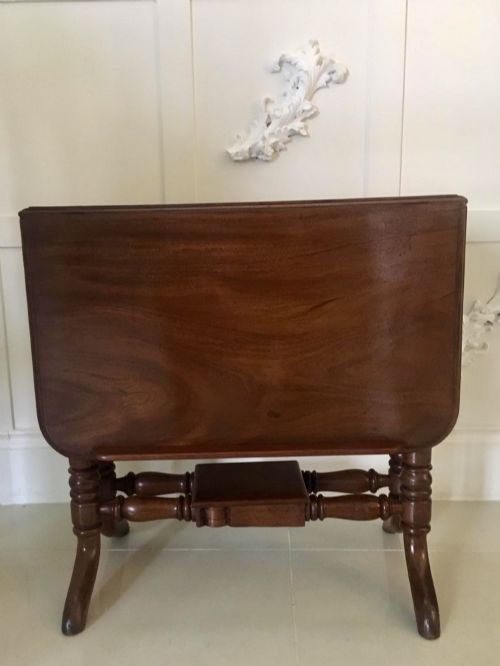
- A narrow drop-leaf table with hinged flaps that fold down steeply. Versions exist configured with reading surfaces.
- Folio stand
- A vertical rack or stand designed for holding large sheets of paper, prints, or large books. They often accompany writing or library tables.
Antique Reading Books: Frequently Asked Questions
What is an antique reading stand?
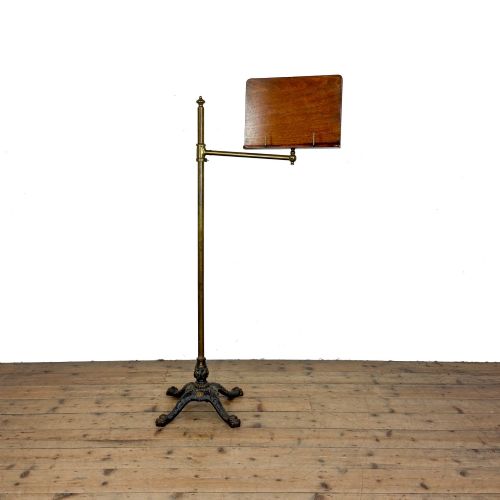
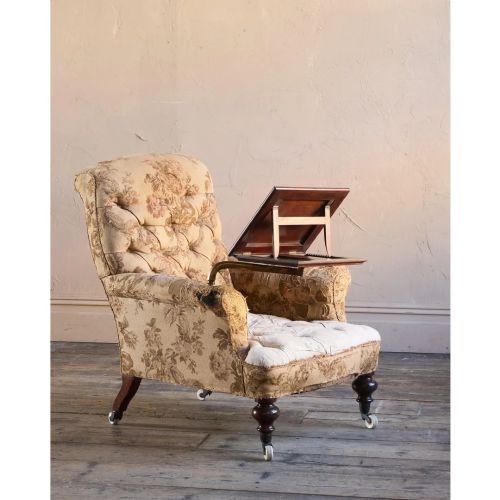
An antique reading stand is a piece of furniture designed to hold a book at a convenient angle for the reader. They appear in table-top formats, adjustable floor-standing models, and attachments for library armchairs.
These pieces date primarily from the nineteenth and early twentieth centuries, utilising woods like mahogany and oak alongside brass fittings.
How do revolving bookcases work?
Revolving bookcases sit upon a concealed internal pivot and bearing mechanism that allows the entire structure to turn smoothly. This enables access to multiple shelves of books from a single seated position.
Cabinet makers produced them in solid oak, mahogany, and burr walnut during the Victorian and Edwardian periods.
Where were church lecterns used?
Church lecterns were positioned in chancels or naves to support large service books, Bibles, or reading boards. They are typically constructed from solid oak or pine and often feature carved eagle supports.
Many examples survive from the nineteenth century, reflecting Gothic Revival and ecclesiastical design trends.
What woods were used for library furniture?
Library furniture and reading accessories were constructed predominantly from hardwoods such as mahogany, oak, and rosewood. Pine served for more utilitarian church and institutional pieces.
Craftsmen often selected figured timbers like burr walnut and added inlay work to finer tables and book stands.