



Antique Railway Art
Antique railway art captures the romance of steam travel through oil paintings, posters, and brass fittings from past centuries.
Antique Railway Art
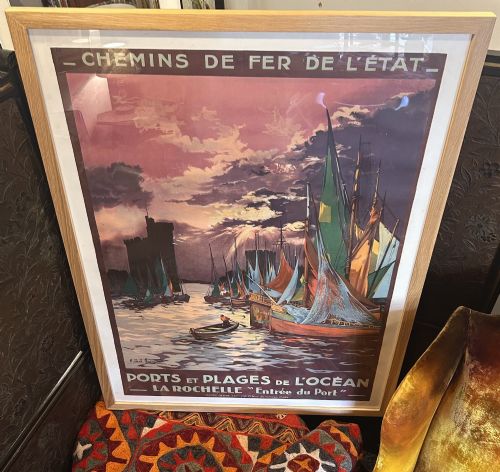
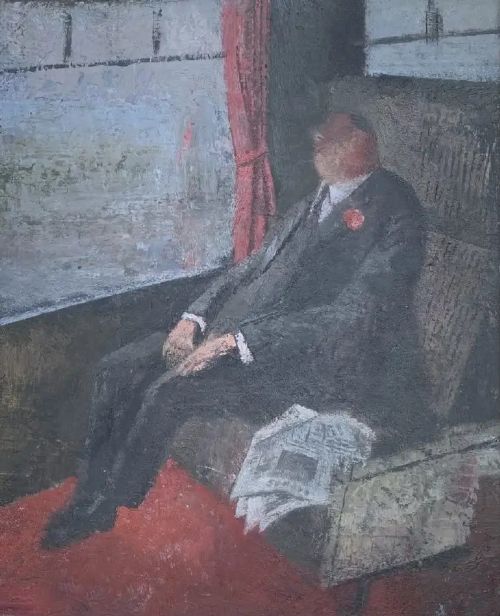
Antique railway art encompasses a diverse range of objects originating from the nineteenth and twentieth centuries, including oil paintings, french railway posters, and copper relief plaques. These pieces celebrate the history and engineering of the railways through visual media and decorative objects.
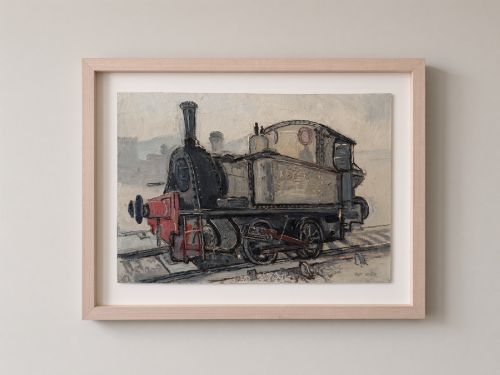
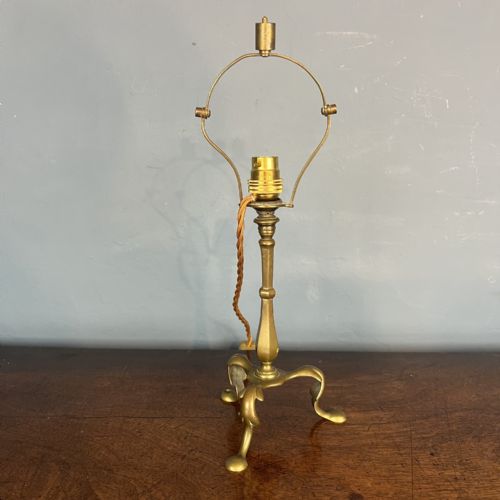
The selections available include naive art paintings of railway station scenes alongside architectural salvage such as carriage doors fitted with art nouveau glass. Buyers frequently encounter lighting and hardware salvaged directly from historic carriages, such as brass pullman lamps and luggage racks.
Portraits of historical figures associated with the rail network also appear, representing the prominent personalities who shaped the industry. Each category reflects a different facet of travel history, from the luxury of first class compartments to the rugged industrial landscape of the tracks.
Materials and construction methods
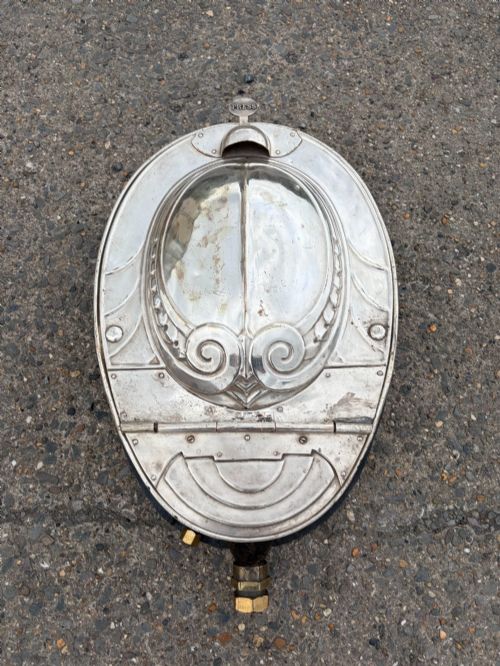
Metalwork forms a significant component of these items, utilising solid brass, copper relief, and silver plate to create durable carriage fittings. Artisans shaped these metals to withstand rigorous daily use while incorporating decorative motifs characteristic of the period.
Painted works employ traditional techniques such as oil paint on wood board and canvas, capturing station scenes and portraits with rich textures. Paper posters from the interwar decades utilise lithographic printing to achieve vibrant advertising displays for french routes.
Woodworking and model making appear in scratch built locomotive models and carved oak components. Turned wood and architectural elements demonstrate the joinery skills employed in both railway carriage interiors and commemorative plaques.
Antique Railway Art Retail Price Guide 2026
Typical asking prices for railway art among the pieces listed under this phrase on Sellingantiques today, from the lower quarter to the upper quarter. They describe what is for sale here now, not the wider market.
The listings on this site span the nineteenth century through the nineteen forties, featuring brass, glass, oak, and oil paint.
Factors of quality and origin
The distinction between standard utility items and superior examples lies in the artistic execution of the design and the integrity of the surviving materials. Handcrafted brass details and original patination on metalwork distinguish finer pieces from later reproductions or heavily polished alternatives.
In painted works and printed posters, the crispness of the composition and the preservation of the surface pigment determine the overall grade. Works executed by named artists or featuring documented historical subjects carry greater historical weight than anonymous decorative items.
The Antique Railway Art Glossary
- Art Nouveau
- A stylistic movement characterised by organic, flowing lines and natural motifs. This aesthetic appears frequently in the glass panels and brass hardware of the early twentieth century.
- Art Deco
- A design style emphasising geometric shapes, stylised forms, and modern industrial materials. It dominates the visual language of posters and hardware from the interwar period.
- Pullman
- A term denoting luxury railway accommodation offering high levels of comfort and service. Pullman lamps and luggage racks were specifically manufactured for these prestigious carriages.
- Silver Plate
- A thin layer of silver applied to a base metal object to provide a lustrous finish. This technique was widely utilised for hardware and fixtures in first class railway compartments.
- Oil On Board
- A painting technique where oil paint is applied directly to a rigid wooden or composition panel rather than canvas. This method provides a sturdy support often used for smaller landscape and station studies.
Antique Railway Art: Frequently Asked Questions
What defines antique railway art?
Antique railway art encompasses paintings, posters, models, and architectural salvage connected to the history of rail transport. These pieces date primarily from the nineteenth century through the interwar period.
The category bridges industrial heritage and fine art, capturing the cultural impact of the steam engine and passenger travel through diverse mediums.
How were brass pullman lamps used?
Brass pullman lamps provided illumination inside the passenger compartments of luxury trains during the early twentieth century. They were engineered to withstand the constant motion and vibration of the carriages.
These fixtures combined functional lighting with decorative metalwork, often featuring art nouveau or arts and crafts design elements to enhance the passenger experience.
Where do railway posters originate?
Railway posters were commissioned by transport companies to advertise destinations, routes, and services to the travelling public. French railway posters from the nineteen twenties are particularly noted for their graphic style.
Printed using lithography, these works served a commercial purpose before becoming sought after collector items for their aesthetic representation of the era.
How do I date a piece?
Dating these items involves examining the materials, manufacturing techniques, and stylistic markers present in the construction. Pieces often bear specific design traits associated with periods like the edwardian era or art deco movement.
Maker marks, stamped railway company names, and documentation regarding the subject matter provide further context for establishing the period of origin.