

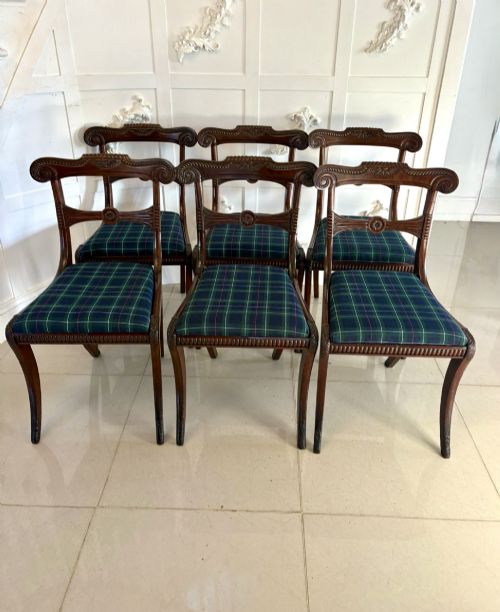
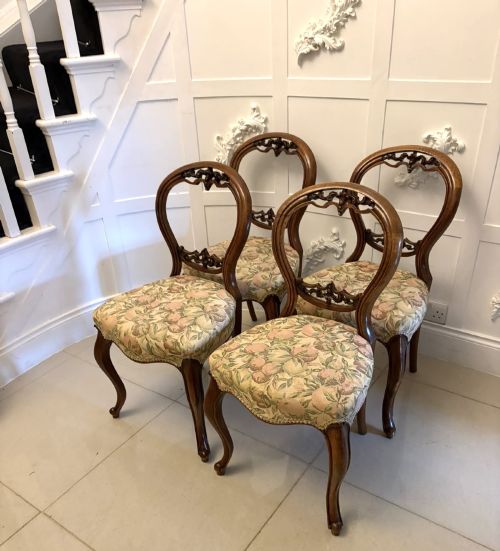
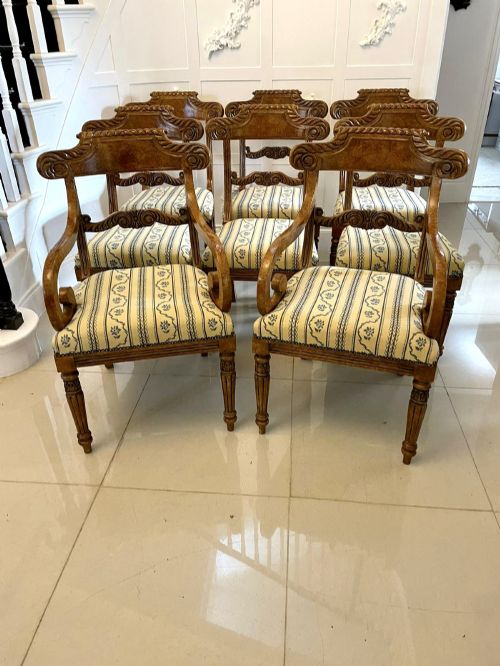
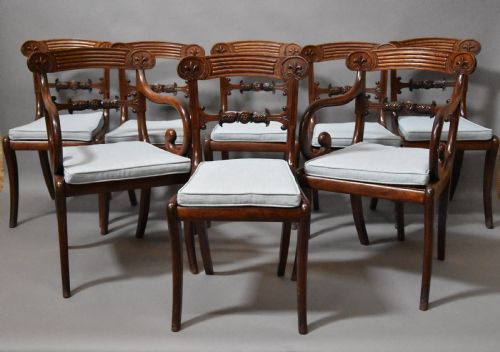


Antique Rail Back Chair
An antique rail back chair offers a sturdy timber frame and characteristic horizontal upper support, combining practical seating with traditional craftsmanship.
Antique Rail Back Chair
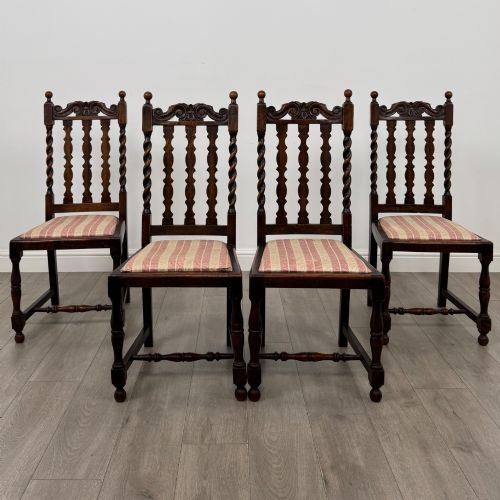
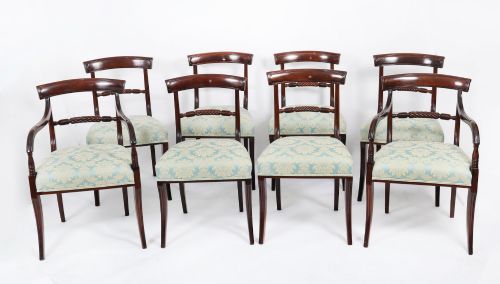
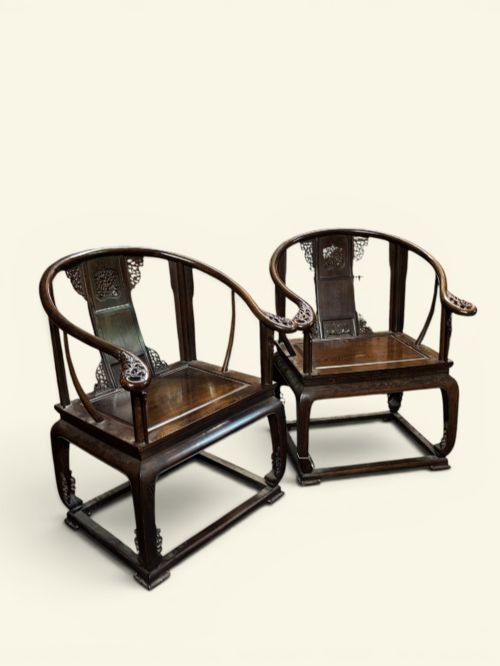
An antique rail back chair covers a range of seating forms designed with prominent horizontal top rails, appearing frequently across dining sets, side chairs, and armchairs. Buyers browsing this selection encounter pieces originating from diverse periods including the seventeenth, eighteenth, and nineteenth centuries, alongside Edwardian and later interpretations.
The materials span traditional hardwoods such as mahogany, oak, elm, and walnut, often complemented by cane inserts, bergere, or upholstered seats in fabric, velvet, and textile. Styles vary widely from Regency and Victorian models to Jacobean revival, Carolean, Arts and Crafts, and rustic country designs.
Dining chairs and sets dominate the available forms, though buyers also discover distinct specialist pieces like smokers bows, corner armchairs, and nursing chairs. This variety reflects how successive eras adapted the fundamental rail back construction for formal dining rooms, studies, and intimate parlours.
How they were made
Joinery techniques relied heavily on traditional framing methods, utilising solid hardwoods like mahogany and oak to construct durable chair structures. Craftsmen shaped timber using hand tools to create turned legs, carved top rails, and sturdy back supports designed for daily use.
Seating areas frequently incorporated woven cane, bergere, or textile upholstery layers secured over webbing and stuffing. Decorative elements such as carved details, simulated wood grains, and lacquered finishes demonstrate the range of cabinetmaking skills applied across different centuries.
Antique Rail Back Chair Retail Price Guide 2026
Typical asking prices for rail back chair among the pieces listed under this phrase on Sellingantiques today, from the lower quarter to the upper quarter. They describe what is for sale here now, not the wider market.
Listings feature periods spanning from the seventeenth century through to the Edwardian era, with mahogany and oak as the predominant materials.
What varies in quality
The distinction between standard examples and finer pieces rests on the choice of timber and the precision of the joinery. Dense, well-figured hardwoods like mahogany and walnut, selected for uniform grain and structural integrity, indicate superior workshop production.
Carving depth and sharpness on the top rail reveal the hand of a skilled maker, separating mechanical output from thoughtful artisan work. Original surfaces, intact cane work, and balanced proportions further elevate a chair's standing among collectors.
Liberty and Co
The Antique Rail Back Chair Glossary
- Rail back chair
- A chair featuring one or more horizontal wooden bars across the upper back support. This design provides ergonomic support while allowing cabinetmakers to showcase figured timber.
- Bergere
- A closed-upholstered armchair with a cane or wicker back and sides. It typically includes a loose upholstered seat cushion for added comfort.
- Barley twist
- A decorative turning technique resembling a twisted rope. This style appears frequently on seventeenth-century and revival furniture legs and stretchers.
- Smokers bow
- A low-backed Windsor-style armchair with a curved top rail and turned spindles. These sturdy chairs were traditionally used in domestic smoking rooms and pubs.
- Klismos chair
- An ancient Greek chair form with curved legs and a concave backrest designed to fit the human spine. Revival versions appeared during the nineteenth century.
Antique Rail Back Chair: Frequently Asked Questions
What is a rail back chair?
A rail back chair is a seating form defined by horizontal wooden rails incorporated into the upper back structure. These pieces range from simple country dining chairs to formal Regency and Victorian library seating.
The horizontal elements provide structural stability while offering makers a surface to carve, shape, or veneer with decorative timbers like mahogany and oak.
How do I date an antique chair?
Dating involves examining the timber species, construction joints, tool marks, and stylistic indicators such as leg turns and rail profiles. Earlier pieces often utilise joined oak construction, while nineteenth-century examples frequently feature mahogany or rosewood.
Comparing the decorative vocabulary against known revival periods helps place undated items into their correct historical context.
Are these chairs suitable for daily dining?
Many antique rail back chairs were built as robust dining furniture and remain entirely practical for everyday use today. Solid hardwood frames and sturdy joinery ensure they handle regular seating demands well.
Buyers should check that joints remain tight and that upholstery or cane work is secure before putting vintage chairs into daily service.
What is the difference between a side chair and an armchair?
Side chairs are built without armrests, making them compact enough to tuck neatly around a dining table or line a room's perimeter. Armchairs include supporting arms that offer a more enclosed and relaxed seating position.
Both forms often share matching rail back designs when produced as part of larger dining or parlour sets.