







Antique Putti Shelves
Antique putti shelves bring sculpted cherubs into domestic spaces, offering decorative support for small objects.
Antique Putti Shelves
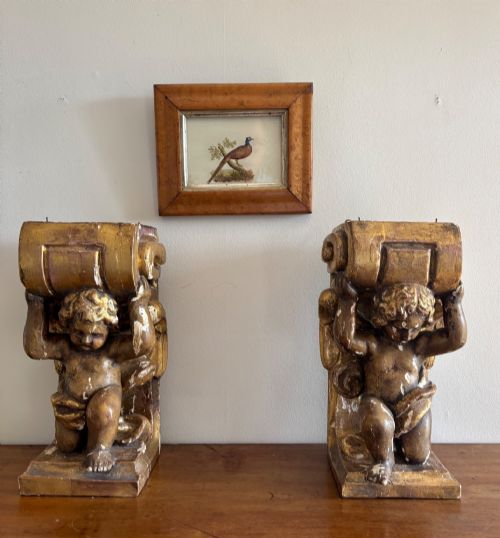
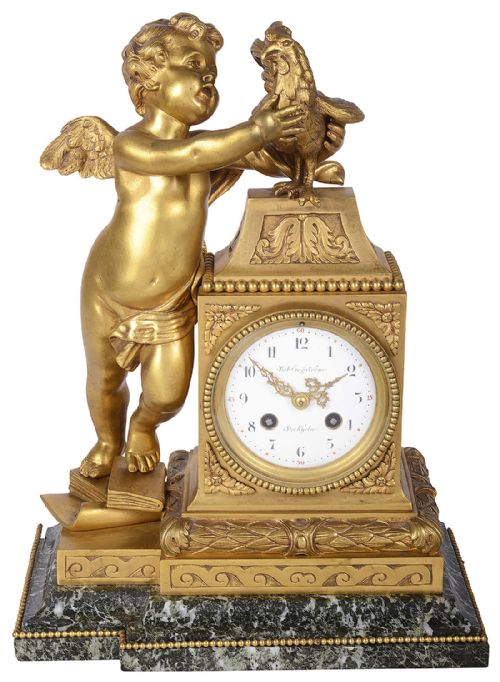
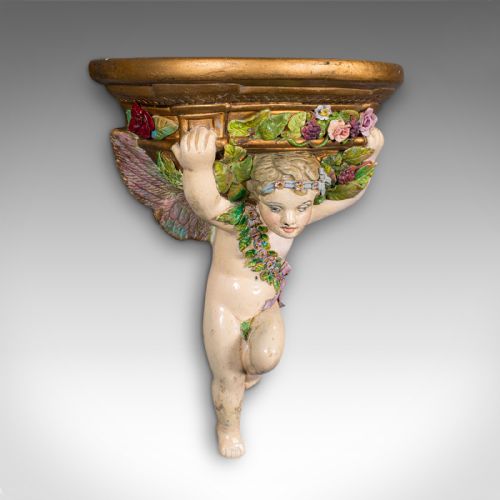
When searching for antique putti shelves, buyers encounter carved wood brackets, giltwood ledges, and porcelain corbels adorned with winged cherubs. The pieces appearing here span the eighteenth, nineteenth, and early twentieth centuries, drawing on Rococo Revival, Baroque Revival, and Victorian styles. Wall brackets and corbels dominate the selection, alongside related clock mounts and wall mirrors featuring sculpted figures.
Most examples originate from nineteenth-century workshops in France, England, and Italy, reflecting the period taste for classical ornamentation. These items function primarily as wall-mounted supports or decorative consoles, often paired symmetrically as matching brackets.
Makers utilised various sculptural techniques to integrate putti figures into functional display furniture, blending architectural support with figurative art.
How they were made
Woodcarvers shaped giltwood and carved timber into flowing scrolls and plump cherubic forms, frequently applying gold leaf or paint finishes. Ceramic workshops utilised porcelain and majolica, moulding clay into detailed figures before glazing and firing.
Metalworkers cast bronze, brass, and ormolu mounts to frame clock movements and support shelves with intricate metallic detail, while plaster and gesso provided alternative media for moulded wall sconces.
Antique Putti Shelves Retail Price Guide 2026
Typical asking prices for putti shelves among the pieces listed under this phrase on Sellingantiques today, from the lower quarter to the upper quarter. They describe what is for sale here now, not the wider market.
Cherubs occasionally share shelf space with dogs.
What varies in quality
The crispness of the carving and moulding defines the visual distinction between standard production and superior craftsmanship, particularly in the rendering of facial expressions and feathered wings. Finer examples display deeply undercut timber or sharply defined bronze casting rather than soft, mass-produced contours.
The preservation of original gilding, painted surfaces, and ceramic glazes determines the integrity of the piece. Superior items retain their original finishes and patination without excessive overpainting or structural replacement.
Phillipe H. Mourey·P.H. Mourey
The Antique Putti Shelves Glossary
- Putto
- A plump, often winged male infant figure frequently depicted in classical art and decorative objects. Plural form is putti.
- Corbel
- A structural or decorative bracket projecting from a wall to support a weight above it. These often take figurative sculptural forms.
- Ormolu
- Finely ground high-carat gold applied in a mercury amalgam to bronze, widely utilised in French decorative arts. It provides a rich golden lustre.
- Giltwood
- Timber, typically carved wood, coated with a thin layer of gold leaf or gesso and gold paint. This technique enhances decorative furniture and mirrors.
- Rococo Revival
- A nineteenth-century design movement emulating the asymmetrical scrolls, natural motifs, and ornate flourishes of the eighteenth-century Rococo style.
Antique Putti Shelves: Frequently Asked Questions
What are antique putti shelves?
Antique putti shelves are decorative wall brackets and corbels featuring sculpted cherubic figures, designed to support small items.
They combine functional display ledges with figural sculpture, often utilising wood, porcelain, or gilt bronze.
How were antique putti shelves used?
These pieces served as wall-mounted consoles for displaying clocks, small ornaments, or porcelain figures in period interiors.
Pairs were often positioned symmetrically to frame mirrors, doorways, or fireplace mantels.
How do I date an antique putti shelf?
Dating relies on examining the materials, underlying wood or ceramic body, fastening methods, and stylistic revival periods.
Nineteenth-century pieces frequently display Rococo Revival or Baroque Revival traits, while eighteenth-century items show distinct hand-carved tool marks.
How do I care for wooden putti shelves?
Maintain wooden and gilt surfaces by dusting gently with a dry, soft cloth to protect fragile gold leaf and carved details.
Avoid placing them in areas with direct sunlight or fluctuating humidity to prevent timber movement and finish degradation.