




Antique Pub Mug
An antique pub mug brings the solid weight of nineteenth-century drinking customs straight to the modern table.
Antique Pub Mug
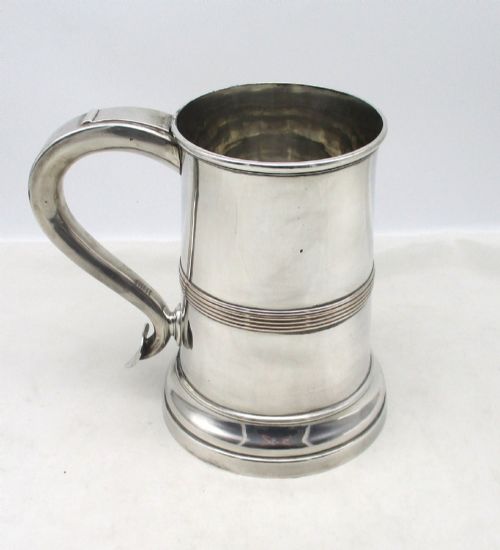
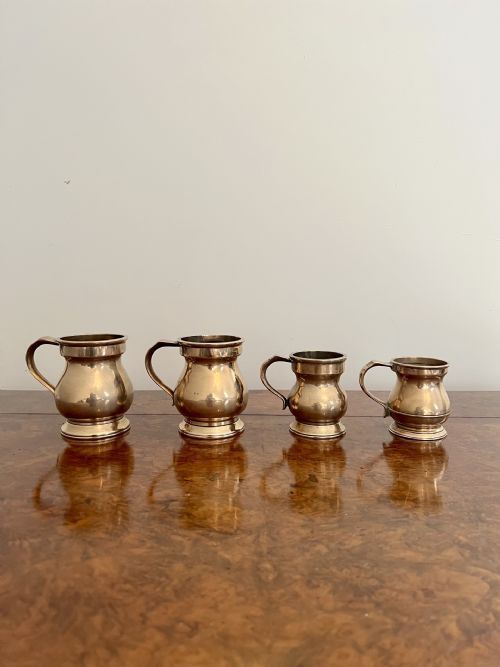
When you search for an antique pub mug, you encounter robust vessels designed for heavy service in historic taverns and public houses. The selection here centres on sturdy tankards, measures, and jugs produced during the Georgian and Victorian periods.
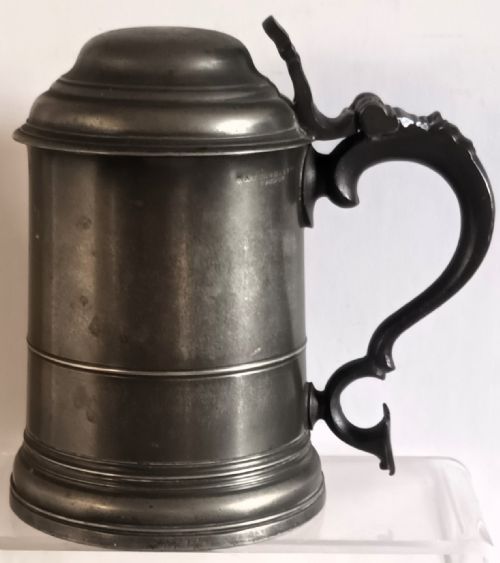
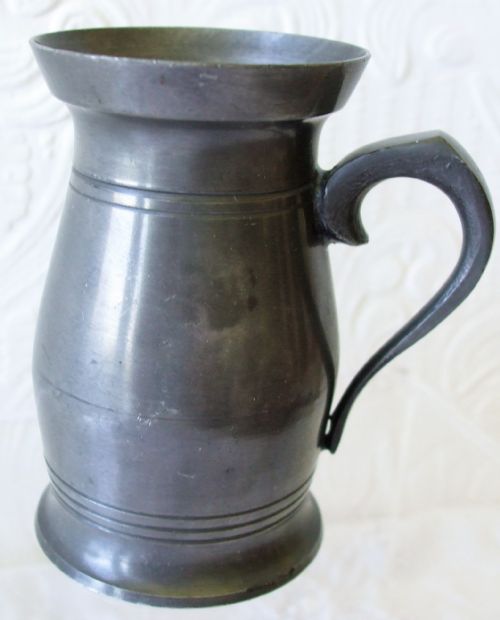
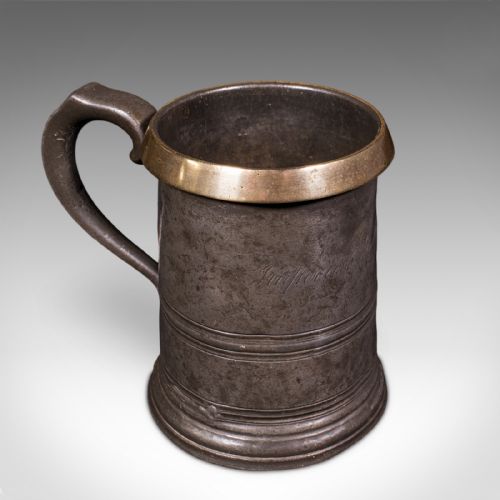
The pieces you are most likely to meet on this page take the form of pewter tankards, bell-shaped vessels, and ceramic character jugs. They range from modest gill measures up to large quart flagons used for ale and porter.
How they were made
Pewter workshops shaped these vessels using metal-working techniques that produced thick walls and sturdy handles capable of enduring daily tavern life. Makers also utilised copper and Old Sheffield Plate to fashion bright, durable drinking vessels for public house service.
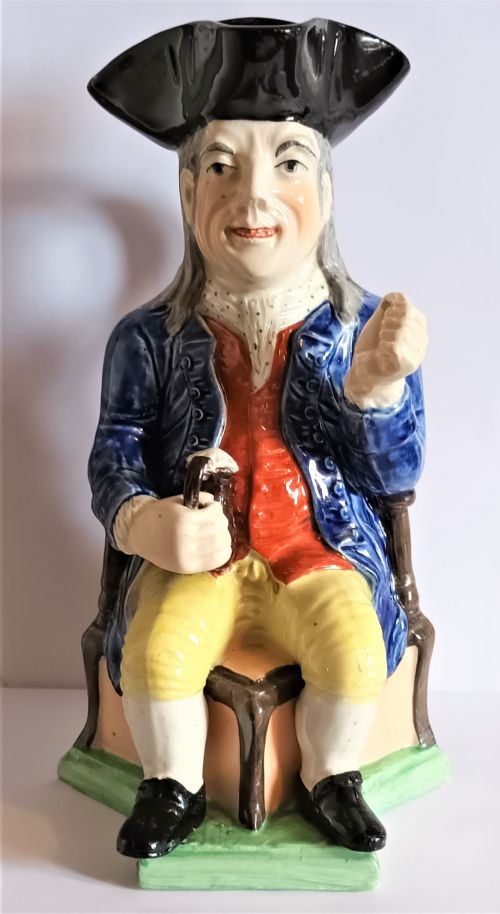
Staffordshire potteries turned to ceramic clay and earthenware, finishing their Toby jugs with colourful glazes and hand-painted details. These varied materials reflect the practical demands of nineteenth-century hospitality.
Antique Pub Mug Retail Price Guide 2026
Typical asking prices for pub mug among the pieces listed under this phrase on Sellingantiques today, from the lower quarter to the upper quarter. They describe what is for sale here now, not the wider market.
Materials recorded across the selection include pewter, copper, brass, Old Sheffield Plate, and ceramic earthenware.
What varies in quality
The distinction between ordinary tavernware and superior pieces lies in the crispness of the maker marks and the heft of the metal. Heavier gauge pewter and well-defined cast handles separate substantial quart measures from lighter commercial vessels.
Mould clarity and glaze preservation define the better ceramic pieces, where facial expressions and clothing details on Toby jugs remain sharp and distinct.
Watts & Harton
The Antique Pub Mug Glossary
- Pewter
- A malleable metal alloy composed chiefly of tin, historically used for tavern tankards and measures. It develops a soft grey patina through age and handling.
- Quart
- A traditional liquid measure equalling two pints. Quart tankards served as standard large drinking vessels in nineteenth-century public houses.
- Gill
- A unit of liquid capacity equal to a quarter of a pint. Gill measures provided small, precise volumes for serving spirits in taverns.
- Toby jug
- A pottery jug modelled in the figure of a stout, cheerful man usually wearing eighteenth-century attire. These humorous vessels often depicted squires or hearty drinkers.
- Old Sheffield plate
- A material formed by fusing a thin sheet of silver to a thicker copper base. This technique created durable tableware with the appearance of solid silver.
Antique Pub Mug: Frequently Asked Questions
What is an antique pub mug?
An antique pub mug is a durable drinking vessel used in historical taverns and public houses during the Georgian and Victorian eras. These items include pewter tankards, copper measures, and ceramic Toby jugs designed for serving ale and spirits.
Collectors and historians value them for their connection to nineteenth-century social drinking traditions and hospitality. They bring utilitarian history directly into modern domestic settings.
How were pewter tankards used?
Pewter tankards served patrons in public houses for daily consumption of ale, beer, and porter. Their solid metal construction ensured they could withstand the heavy demands of busy tavern environments.
Many examples feature capacity stamps or measure marks indicating official government verification for trade use. These markings help identify the historical context of each piece.
What is a Toby jug?
A Toby jug is a pottery vessel shaped like a seated person, typically depicted holding a mug of beer and a pipe. Staffordshire potteries produced these character jugs extensively during the Victorian period.
They served as decorative items in homes and public houses alike, often displaying bright ceramic glazes. The figures usually represent traditional British archetypes like squires.
How do I tell Victorian from Georgian pieces?
Distinguishing between Victorian and Georgian items involves examining the manufacturing style, weight, and any stamped maker marks. Georgian pieces often display simpler, heavier forms associated with earlier tavern standards.
Victorian items frequently exhibit more standardised capacity measurements and diverse materials like Old Sheffield Plate or copper. Maker marks stamped into the base also provide clues to the production era.
How should I clean pewter?
Pewter requires gentle cleaning with warm water and mild soap to preserve its historic surface appearance. Harsh abrasives can damage the soft metal and strip away the authentic grey patina.
Dry the vessel thoroughly with a soft cloth after washing to prevent water spots. Proper care maintains the character acquired over centuries of use.