




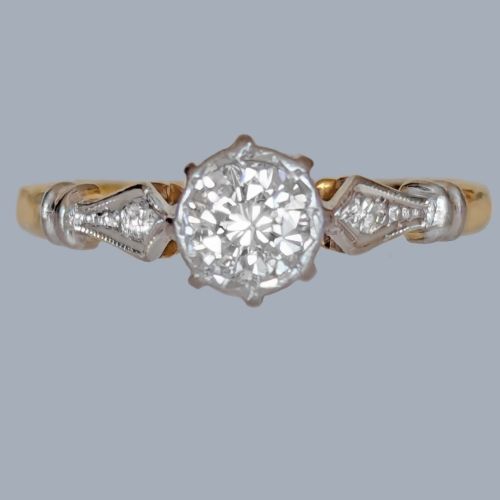


Antique Promise Ring
An antique promise ring carries the romance of bygone decades, offering enduring sentiment through precious gems and metals.
Antique Promise Ring
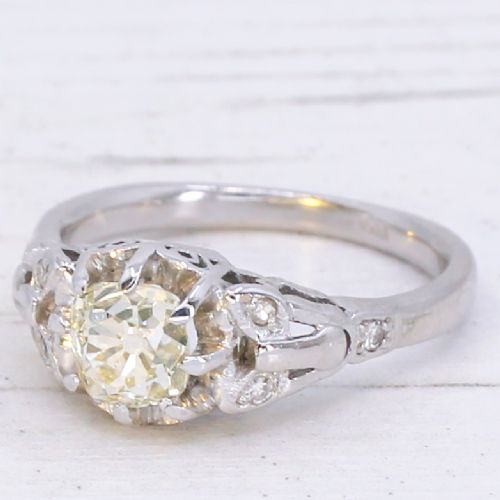
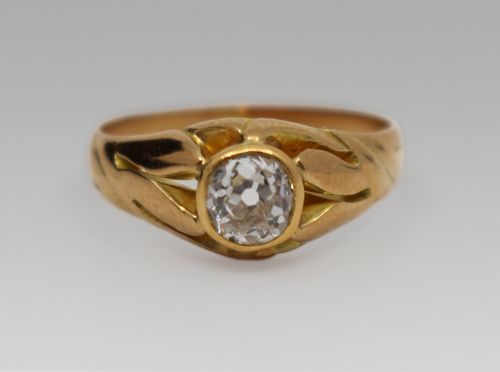
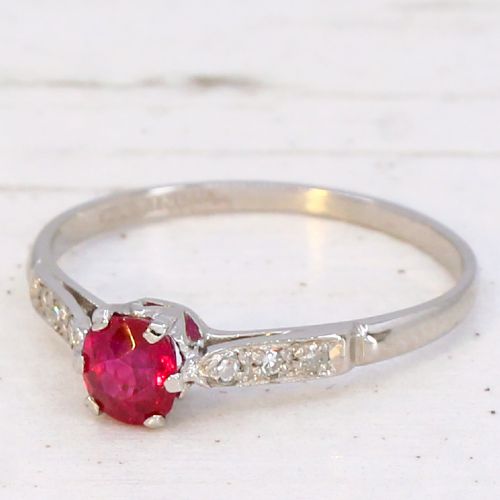
The versions most commonly met on this page span from the late nineteenth century into the nineteen-thirties, reflecting stylistic shifts from ornate Victorian sentiments to geometric Art Deco lines. Jewel makers of these eras utilised durable precious metals to set old cut diamonds, rubies, and sapphires that survived through the generations.
How they were made
Goldsmiths of the Victorian and Edwardian periods forged these rings using yellow gold, rose gold, and eighteen-carat yellow gold, often combining gold bands with platinum settings to secure the stones safely. This bimetallic approach allowed makers to present a bright white metal face to hold diamonds while retaining warm gold shanks.
Stones within these rings include old cut diamonds, rubies, and sapphires, shaped by hand rather than modern automated precision. Markers of period craftsmanship appear in the subtle hand-beaded millegrain edges and engraved details found along the shoulders and bands.
Antique Promise Ring Retail Price Guide 2026
Typical asking prices for promise ring among the pieces listed under this phrase on Sellingantiques today, from the lower quarter to the upper quarter. They describe what is for sale here now, not the wider market.
Chester assay offices marked an 1887 band with a Mizpah inscription, sealing a Victorian promise in solid gold.
What varies in quality
The distinction between tiers of these rings rests upon the character of the central gemstones and the preservation of the original metalwork. Old cut diamonds and unheated rubies hold greater distinction when their natural facets display clear brilliance without modern intervention.
Artisanal execution separates standard workshop production from finer examples, particularly where delicate platinum scrollwork or engraved inscriptions remain crisp and unaltered by subsequent resizing or heavy wear.
The Antique Promise Ring Glossary
- Toi et moi
- A ring style featuring two main stones positioned side by side, translating from French as you and me. This design symbolises two souls united.
- Millegrain
- A decorative technique involving a line of tiny raised metal beads along the edges of a setting. Goldsmiths applied this to soften the appearance of platinum and metal mounts.
- Old cut
- A diamond facet style hand-polished before modern brilliant cutting standards were established. These stones typically feature smaller tables and higher crowns.
- Solitaire
- A mounting designed to showcase a single central gemstone. This form places total visual focus on the primary diamond or ruby.
- Mizpah
- A sentimental inscription or token derived from Hebrew meaning a watchtower. These pieces mark an emotional bond between people separated by distance.
Antique Promise Ring: Frequently Asked Questions
What is an antique promise ring?
An antique promise ring is a historic piece of jewellery worn as a token of affection, commitment, or betrothal. These items date from nineteenth and early twentieth century periods.
They incorporate precious materials such as platinum, gold, and diamonds, preserving historical craftsmanship within wearable forms.
How do I identify an Edwardian ring?
Edwardian rings typically combine eighteen-carat gold bands with platinum settings to showcase diamonds and sapphires. Makers utilised lightweight, delicate frameworks during this era.
Characteristic details include millegrain edges and intricate pierced metalwork that distinguish these pieces from heavier Victorian designs.
What metals were used in Victorian rings?
Victorian rings frequently utilise yellow gold and rose gold, often cast in eighteen-carat purities for bands and sentimental inscriptions. Platinum appeared more commonly towards the close of the period.
These metals provide a warm foundation for rubies, diamonds, and engraved markers like the Mizpah band.
How do old cut diamonds differ?
Old cut diamonds are hand-faceted stones shaped prior to the standardisation of modern brilliant cuts. They exhibit smaller tables and distinct proportions.
Under candlelight or low lighting, these historic stones produce a softer, broader scintillation compared to modern cut equivalents.