


Antique Profile Artwork
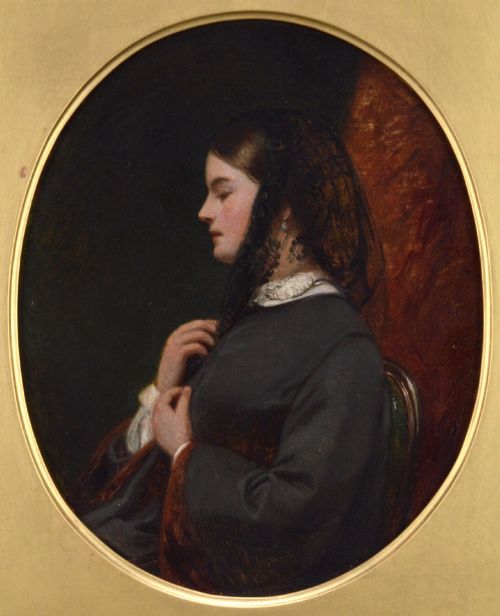
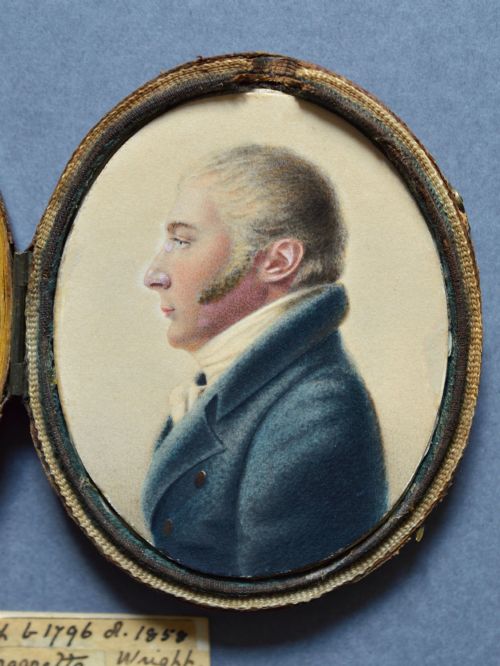
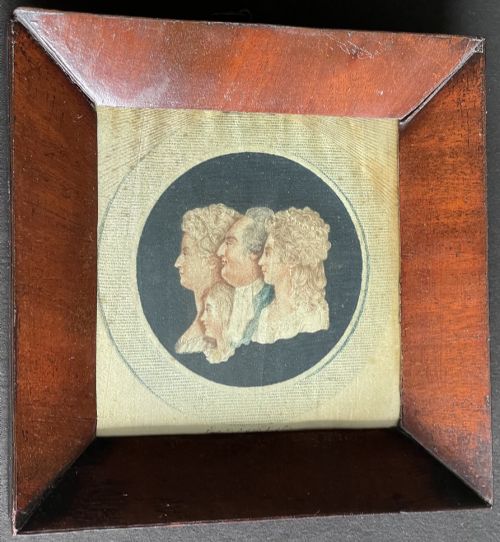
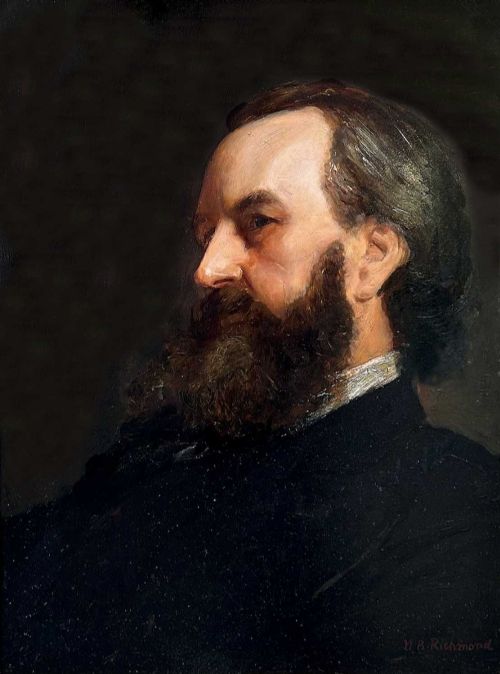
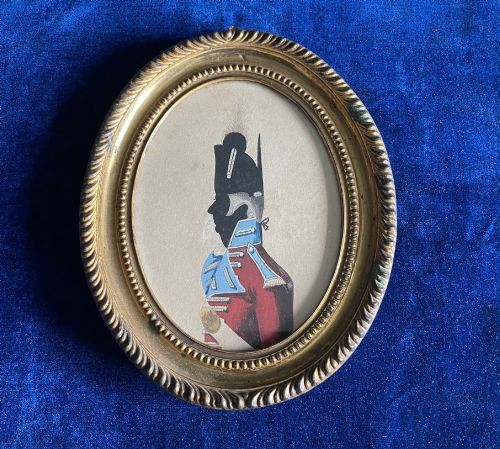
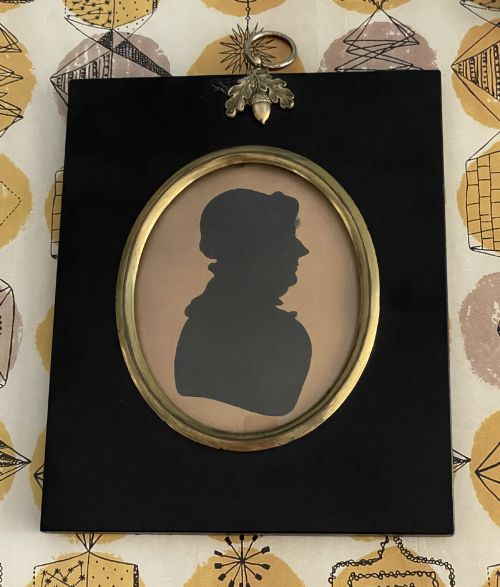
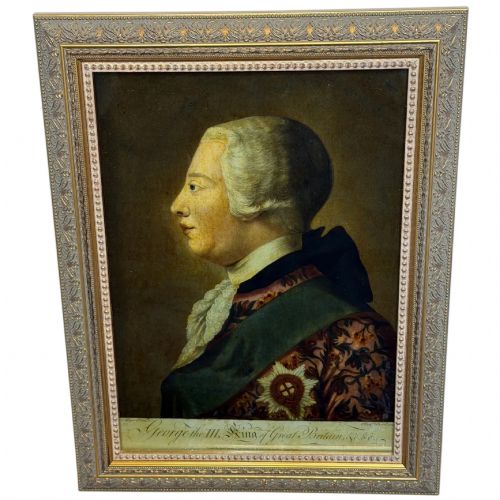
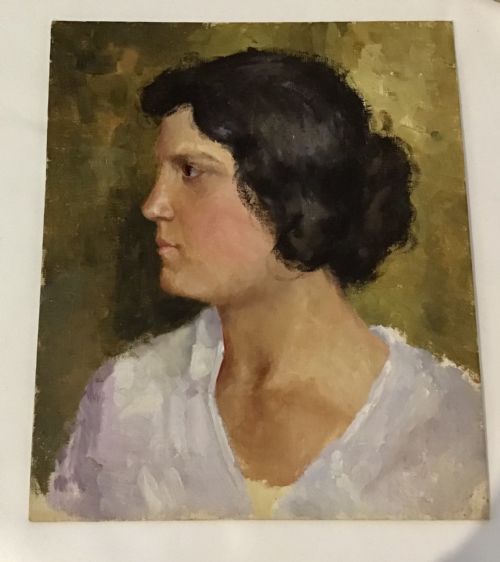
These pieces of antique profile artwork capture likenesses in silhouette, oil, watercolour and print from the eighteenth, nineteenth and early twentieth centuries.
Antique Profile Artwork
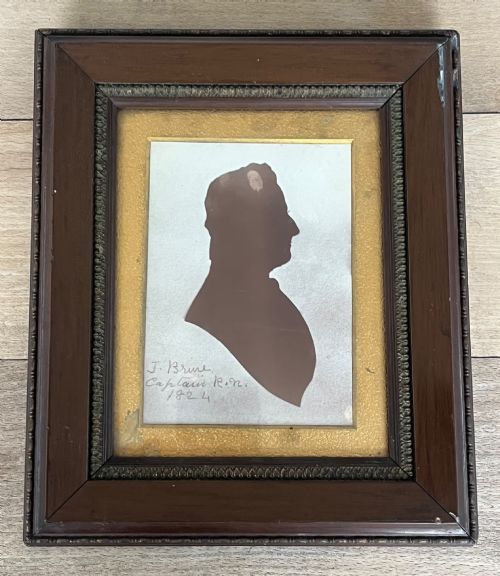
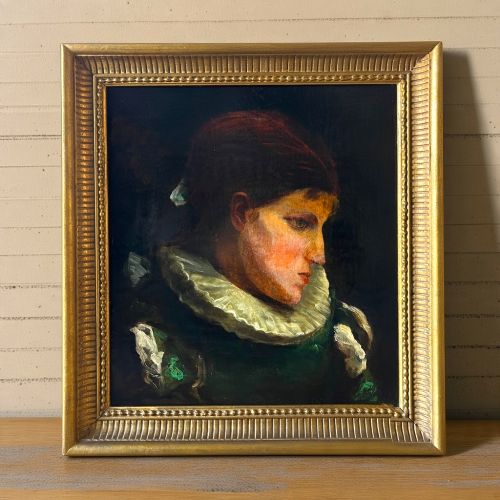
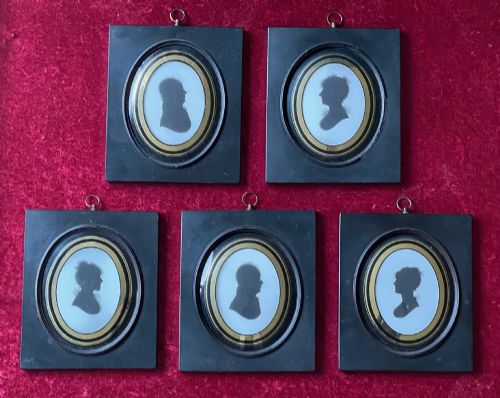
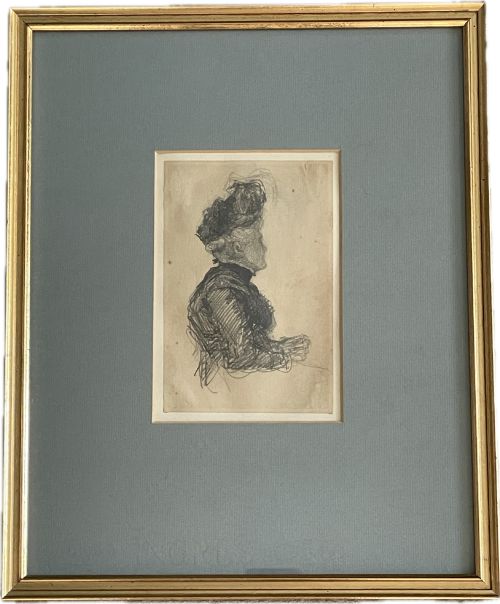
When you search for antique profile artwork, you encounter a focused range of portraiture capturing subjects from the side rather than full face. The items on this page span several centuries, with the nineteenth century heavily represented.
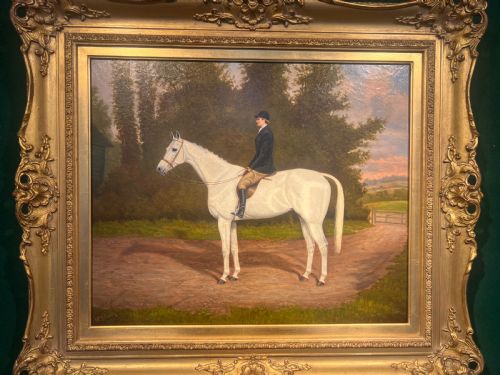
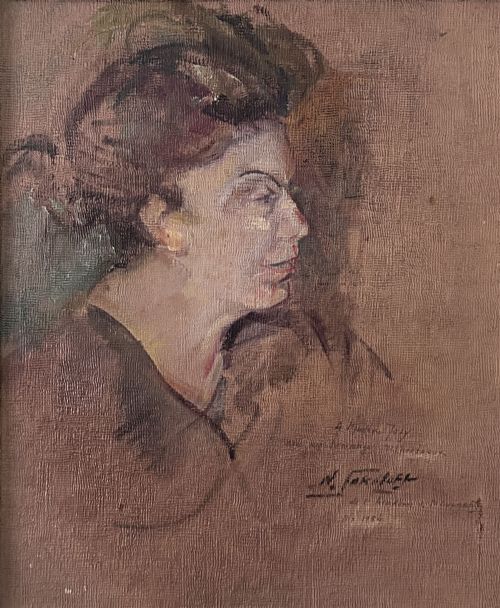
The forms vary widely across the selection, encompassing cut-paper silhouettes, detailed miniature watercolours, oil paintings on canvas and board, and early prints. Many retain their original frames, which range from deep Victorian gilt designs to carved Florentine wood.
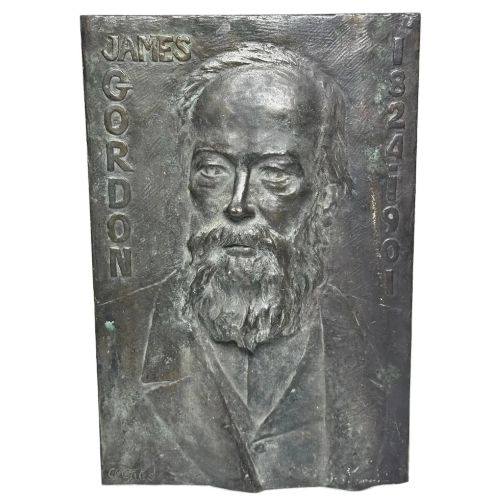
The subjects range from notable historical figures and royalty to children, gentlemen and ladies whose names are sometimes recorded on the mount or reverse. Regency silhouettes and Victorian oils dominate the groupings currently available.
Materials and technique
Frames play a crucial role in the construction of these pieces, utilising giltwood, brass, and glass to protect delicate works on paper. Engravings and mezzotints involved copper plates printed on paper or silk.
Artists employed charcoal, pencil, gouache and pen and ink to achieve fine detail in profile drawings, sometimes mounting them behind convex glass within heavy frames.
Antique Profile Artwork Retail Price Guide 2026
Typical asking prices for profile artwork among the pieces listed under this phrase on Sellingantiques today, from the lower quarter to the upper quarter. They describe what is for sale here now, not the wider market.
Listings feature works from the eighteenth century through to the 1950s, using paper, oil, watercolour, ivory and giltwood.
Assessing quality and execution
The distinction between ordinary and superior pieces rests on the precision of the hand and the preservation of the medium. Silhouette work relies on clean, confident cutting or delicate brushwork without hesitation.
Provenance and attribution elevate certain items, particularly when a silhouette or painting bears the signature of a known practitioner or carries contemporary documentation on the reverse. The quality of the framing also influences the overall integrity of the piece.
Thomas John Horsley·James McArdell·Jeremiah Meyer·Alice Gates·James Gillespie·Augustin Edouart·William Blake Richmond·William Albert Clarke·Florence Small·Richard Purcell·Bertram Priestman·Frederick Frith·Gilbert Privat·J. Deacon·John Smith of Edinburgh
The Antique Profile Artwork Glossary
- Silhouette
- A portrait representation of a person in profile, typically solid black, cut from paper or painted on card. It gained immense popularity during the eighteenth and nineteenth centuries.
- Mezzotint
- A printmaking process where the copper plate is roughened to achieve rich tonal gradations and dark backgrounds. This technique allowed for subtle rendering of shadow and light in portraiture.
- Giltwood
- Wood carved and coated with gold leaf or gold paint, frequently used for nineteenth-century picture frames. It provides a reflective border that enhances the contrast of dark profiles.
- Miniature
- A small-scale portrait painted with meticulous detail on materials such as ivory, vellum or card. These portable items were often encased in protective folding leather or metal cases.
Antique Profile Artwork: Frequently Asked Questions
How do I display antique silhouettes safely?
Keep works on paper and card away from direct sunlight to prevent fading of the pigments and the delicate paper ground. Stable indoor humidity protects both the antique frames and the media within.
Ensure that hanging hardware is secure, as many older frames carry significant weight from their original glass and wooden construction.
What is a conversation piece silhouette?
A conversation piece silhouette depicts multiple figures engaged in an activity or interaction within a domestic setting, rather than a single isolated head. These larger compositions often record family groups or social gatherings.
They require careful mounting and framing to support the extended width of the paper or painted surface.
How are cut-paper silhouettes dated?
Dating relies heavily on the style of dress, hair and bonnet depicted on the subject, as fashion changed rapidly across the Georgian and Victorian eras. Contemporary inscriptions on the reverse often provide exact years and names.
The backing paper, watermark, and framing materials also offer clues to the period of creation.