

Antique Printing Plate
When you search for an antique printing plate, you encounter an array of historic metal matrices, framed engravings, and transfer-printed ceramics spanning the eighteenth and nineteenth centuries.
Antique Printing Plate
An antique printing plate encompasses several distinct historical categories, ranging from original metal printing matrices to the ceramic and paper plates that display engraved or transfer-printed imagery. Buyers searching this phrase will find physical copper and metal plates alongside eighteenth and nineteenth-century ceramic wares decorated with printed scenes.
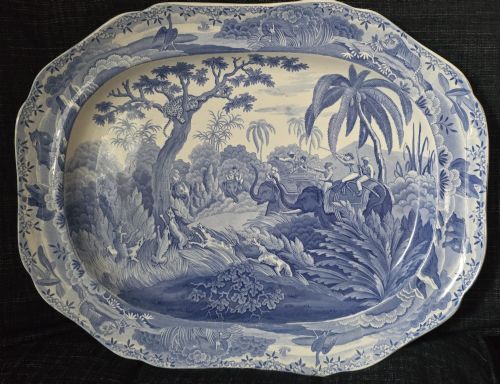
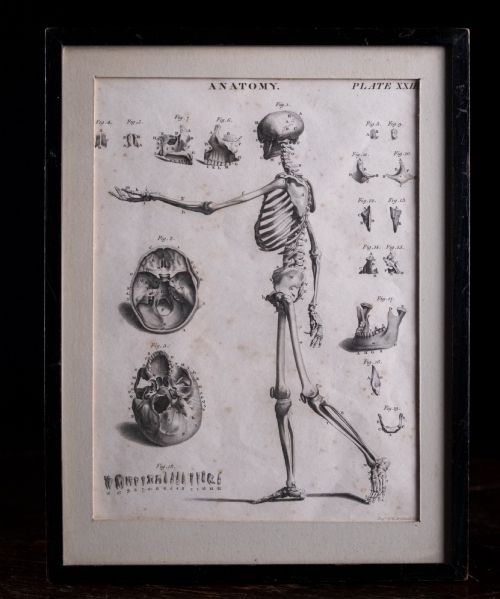
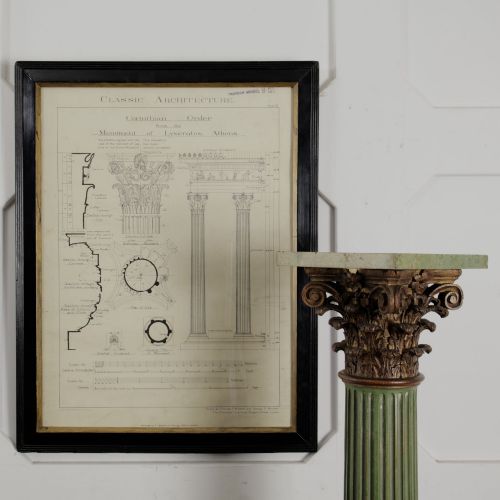
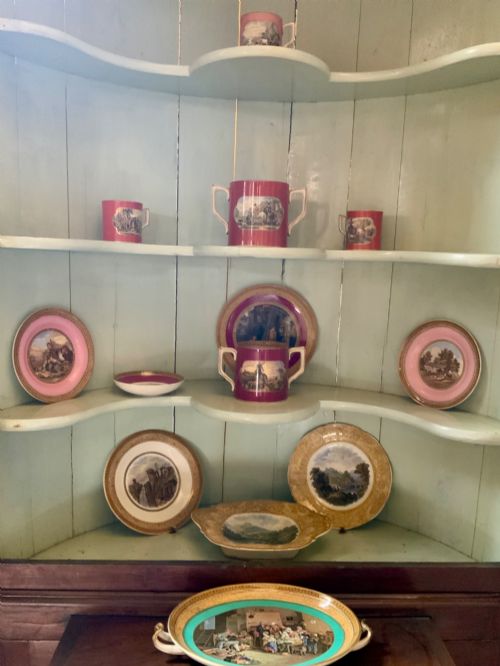
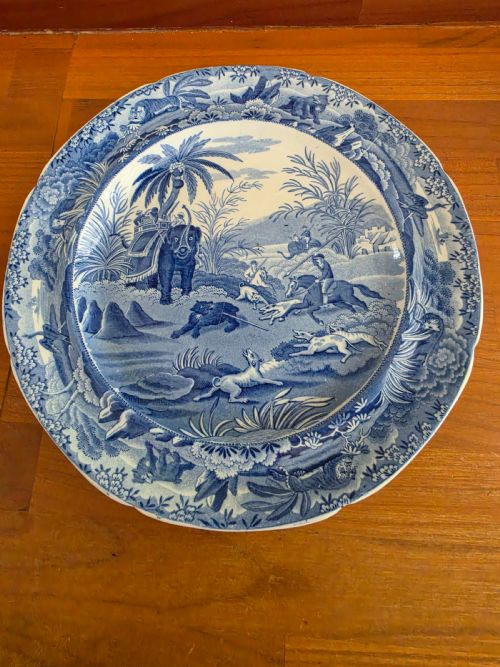
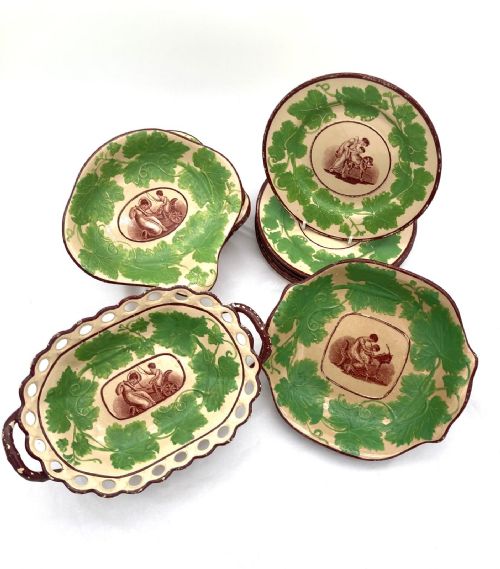
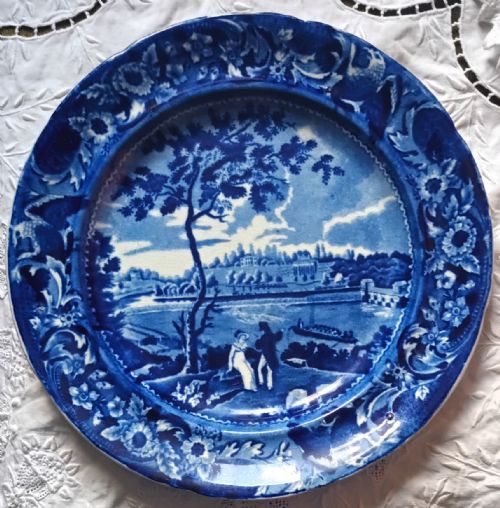
The ceramic examples include transfer-printed earthenware, pearlware, and Staffordshire platters featuring blue and white historical, architectural, or pictorial subjects. These domestic tablewares sit alongside framed copper and lithographic engravings, anatomical charts, and book illustrations produced across the Georgian, Victorian, and Edwardian periods.
On this page, the most frequent encounters are nineteenth-century blue and white transfer-printed earthenware plates and serving dishes alongside framed historical engravings and anatomical plate series. These pieces reflect the vast mechanical and artistic expansion of printing technology throughout the 1800s and early 1900s.
How they were made
Metal printing plates were produced by cutting or etching designs directly into copper or lithographic metal sheets, creating matrices capable of transferring ink onto paper. These metal surfaces required skilled hand engraving or chemical etching to achieve the fine lines seen in historical prints and charts.
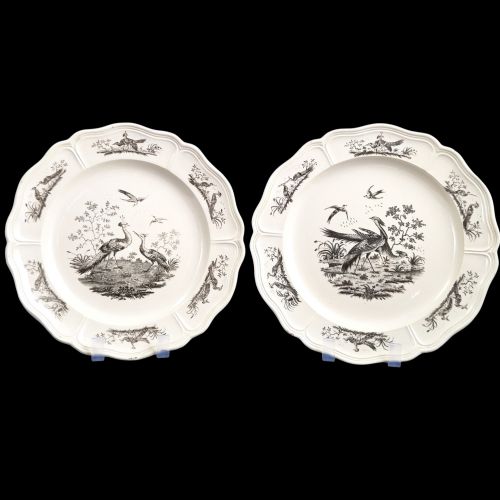
Ceramic plates and platters utilised transfer printing, a technique where an engraved copper plate transferred an inked design onto tissue paper, which was then pressed onto the earthenware body before glazing and firing. This process allowed complex pictorial scenes, such as classical ruins and architectural views, to be replicated reliably across multiple ceramic items.
Earthenware and pearlware bodies provided the porous white canvas necessary for the cobalt blue transfer inks, while paper prints relied on rag paper and hand colouring for additional visual depth. The materials combined traditional pottery manufacturing with industrial printing innovations of the Georgian and Victorian eras.
Listings feature eighteenth and nineteenth-century periods, utilising earthenware, paper, glass, wood, and ceramic materials across plates, prints, and serving platters.
What varies in quality
The definition and clarity of the transferred image dictate the visual success of a ceramic plate or paper print. Crisp lines and deep, even cobalt blue tones in transfer printing separate finely executed wares from blurred or smudged impressions.
The physical preservation of the medium itself establishes the standing of an individual piece, whether that involves the integrity of an earthenware glaze, the absence of heavy surface wear on a copper printing plate, or the clean preservation of a framed paper engraving. Original condition and legibility remain paramount across all material types.
The historical significance of the subject matter, such as named topographical views, identified makers like Stubbs or Thomas Lakin, and documented anatomical series, elevates certain pieces above standard domestic wares and anonymous book plates.
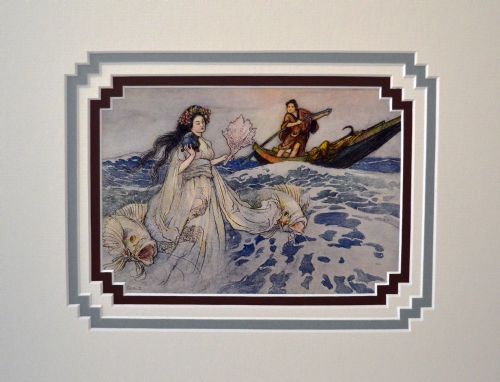
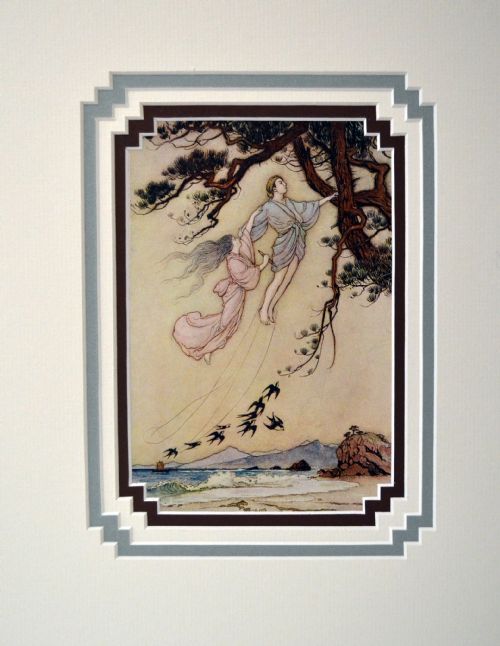
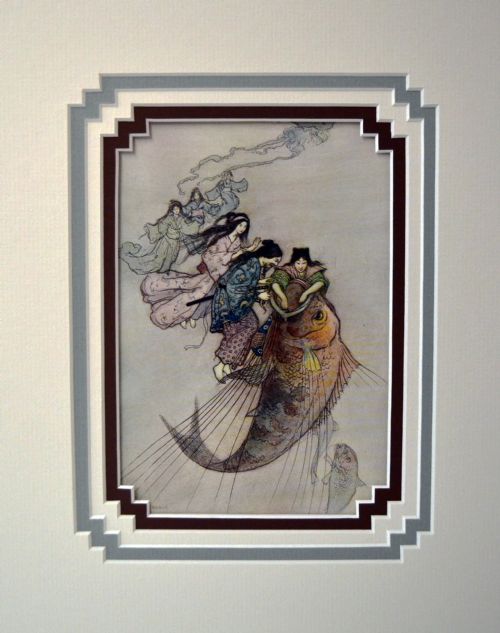
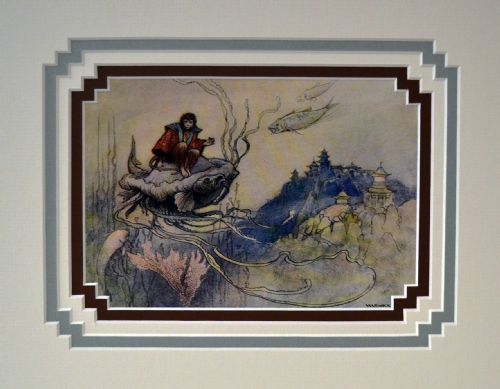
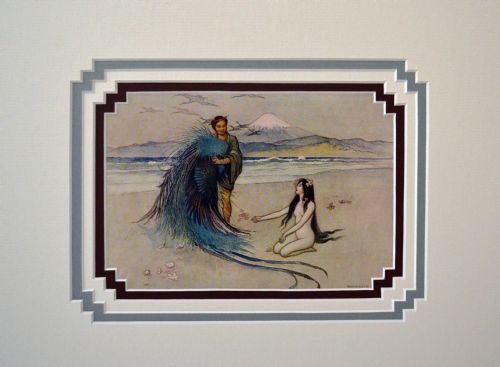
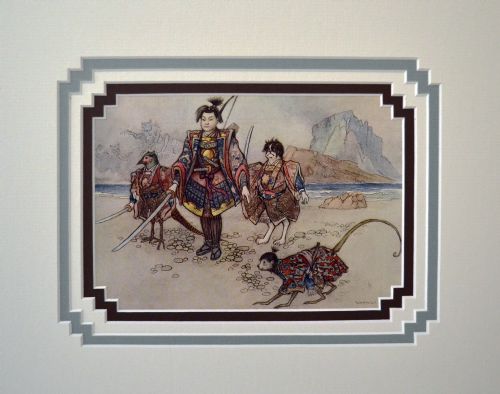
Andrew Bell·John Horner Halifax Pontifex And Stiles·Stubbs·Warwick Goble·John Hancock·E L Riepenhausen·William Hogarth·William Adam·Thomas Lakin
The Antique Printing Plate Glossary
- Transfer printing
- A method of decorating ceramics by transferring an engraved design from a metal plate via tissue paper onto the pottery body before glazing. This technique revolutionised mass production of blue and white pottery in the eighteenth and nineteenth centuries.
- Pearlware
- A refined earthenware developed in the late eighteenth century featuring a subtle bluish glaze that pooled in crevices to mimic Chinese porcelain. It forms the body of many early transfer-printed plates.
- Engraving
- A printmaking technique where an artist cuts a design into a hard material, usually copper, using a sharp metal tool called a burin. The resulting grooves hold the ink for pressing onto paper.
- Staffordshire
- A major English pottery-producing area known for prolific output of blue and white earthenware plates and serving platters during the Georgian and Victorian periods.
- Lithography
- A planographic printing process based on the repulsion of oil and water, utilising a flat stone or metal plate to carry the image. It expanded commercial printing capabilities significantly by the mid-nineteenth century.
Antique Printing Plate: Frequently Asked Questions
What is an antique printing plate?
An antique printing plate can refer to an actual metal matrix used for publishing engravings and charts, or a ceramic plate decorated with transfer-printed historical scenes.
These items date predominantly from the eighteenth and nineteenth centuries, reflecting the period's dominant methods of mass communication and domestic tableware decoration.
How do I care for antique ceramic plates?
Antique ceramic plates require gentle handling and should be kept away from modern dishwashers and harsh cleaning agents to protect the historic glaze and earthenware body.
Display them securely using padded plate hangers or keep them flat within protective storage environments to prevent accidental chips.
How are metal printing plates different from ceramic plates?
Metal printing plates are the industrial tools utilised to press ink onto paper, bearing reverse-image engravings or etchings created by printmakers.
Ceramic plates are finished household objects that happened to be decorated using printed paper impressions derived from similar engraved copper plates.
What periods do these pieces represent?
The pieces span the Georgian, Regency, Victorian, and Edwardian eras, covering the eighteenth, nineteenth, and early twentieth centuries.
Specific dates on listings often correspond to the active period of publication for prints or the manufacturing era of Staffordshire potteries.