

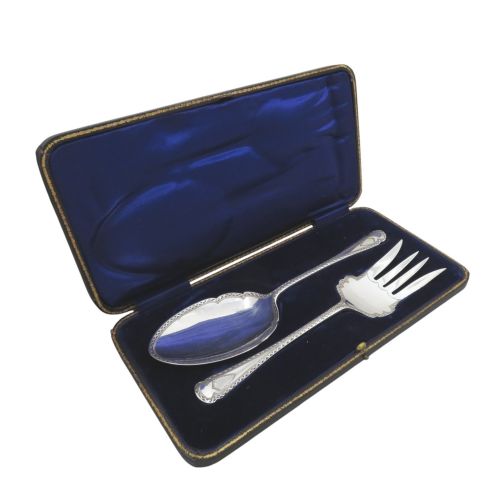


Antique Presentation Cutlery
Antique presentation cutlery comprises cased sets of sterling silver and silver plate designed for gifting, combining fine metalwork with fitted boxes lined in velvet, silk, or leather.
Antique Presentation Cutlery
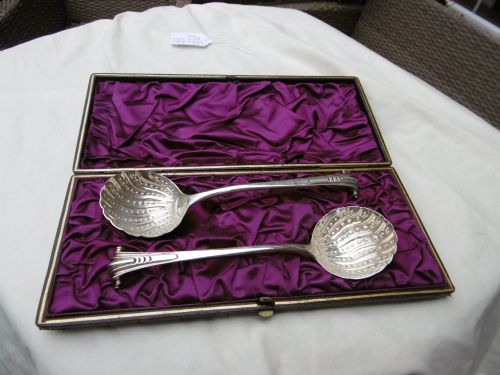
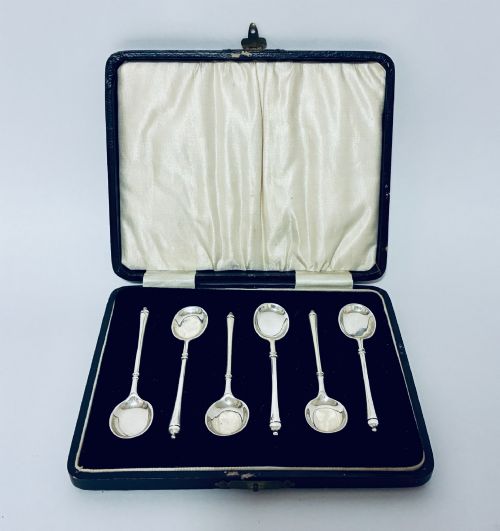
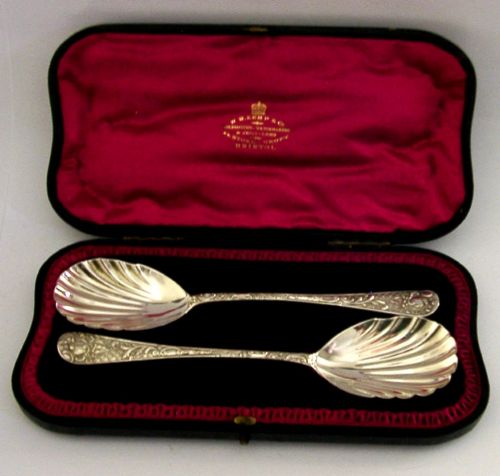
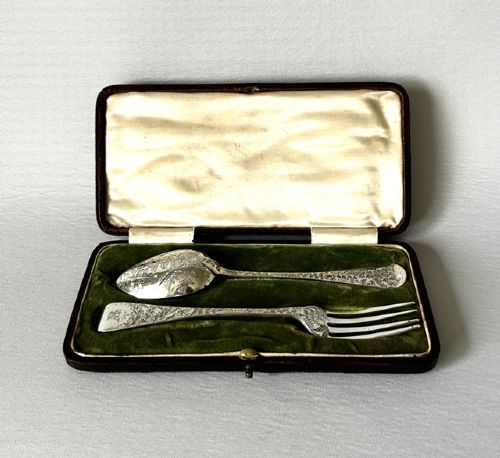
Antique presentation cutlery covers a range of specialised eating and serving utensils, from fish servers and bread forks to christening sets and coffee spoons, housed in dedicated fitted cases. The pieces reflect the social habits of the Victorian and Edwardian eras, when gifting elaborate tableware for milestones was customary. Buyers will frequently encounter cased pairs of serving spoons, butter knives, and fruit sets intended for special occasions.
The materials used for the fitted containers are as notable as the metalwork inside, typically featuring velvet, silk, satin, leatherette, or leather linings. These boxes protect the sterling silver or silver plate items, which often display styles spanning Victorian, Edwardian, Art Deco, and Georgian periods. The survival of the original presentation box alongside the cutlery marks the primary characteristic of these objects.
Materials and technique
The construction of antique presentation cutlery relies on sterling silver and silver plate for the metal implements, sometimes paired with organic handles such as mother-of-pearl or tortoiseshell. Silversmiths employed traditional techniques including casting, hammering, and detailed chasing or engraving to decorate the blades and handles of serving spoons, forks, and knives. Hallmarks stamped onto the silver provide official records of the assay office, standard, and date of manufacture.
The accompanying presentation boxes required specialised carpentry and upholstery skills to fabricate wooden carcasses covered in leather or leatherette. Craftsmen lined the interior recesses with fitted beds of silk, velvet, or satin to securely cradle each individual piece of cutlery. These bespoke interiors ensure the utensils remain protected against tarnishing and physical damage over generations.
Antique Presentation Cutlery Retail Price Guide 2026
Typical asking prices for presentation cutlery among the pieces listed under this phrase on Sellingantiques today, from the lower quarter to the upper quarter. They describe what is for sale here now, not the wider market.
Listings for presentation cutlery feature items spanning the Victorian, Edwardian, and Art Deco periods, utilising materials from sterling silver and silver plate to tortoiseshell and silk.
Distinctions in quality
Quality in antique presentation cutlery depends largely on the weight of the metal and the precision of the silversmith's decorative work, such as hand-engraved patterns or pierced designs. Solid sterling silver sets naturally command higher regard than silver plated alternatives, though exceptional plating techniques and robust base metals still produce durable, refined objects. The depth and clarity of the assay hallmarks also reflect the care taken during production.
The integrity and condition of the presentation box heavily influence the overall standard of the piece, particularly the preservation of the silk or velvet lining. Original boxes with intact hinges, functioning clasps, and well-fitted interior recesses demonstrate superior original craftsmanship. Complete sets that retain every matching utensil without replacement pieces represent the highest tier of historical survival.
William Devenport·Robert Stebbings·John Round
The Antique Presentation Cutlery Glossary
- Presentation box
- A fitted container custom-built to house a specific set of cutlery, typically lined with velvet, silk, or satin. These boxes protect the contents and add significant display value to the set.
- Sterling silver
- An alloy consisting of 92.5 percent silver by mass, with the remainder composed of other metals like copper for durability. Most British presentation pieces bear hallmarks confirming this standard.
- Silver plate
- A base metal, such as copper or nickel silver, coated with a thin layer of pure silver through electroplating or older mechanical methods. It offered a brilliant appearance at a lower cost than solid silver.
- Fish servers
- A matched pair comprising a large knife and fork specifically shaped for serving fish at the dining table. They frequently feature pierced blades decorated with engraved foliage.
- Christening set
- A specialised collection of cutlery, such as a spoon and fork or knife, presented as a gift for the naming ceremony of a child. These are often housed in miniature presentation cases.
Antique Presentation Cutlery: Frequently Asked Questions
What is antique presentation cutlery used for?
These cased silver and silver plated sets were originally given as gifts for weddings, christenings, and anniversaries to mark significant life milestones. They were designed for formal dining and serving rather than everyday family meals.
Today, collectors use these items for special occasions, holiday dining, or display within antique cabinets. The fitted boxes allow the cutlery to remain safely stored and preserved when not in active use.
How do I identify the date of presentation cutlery?
Dating relies primarily on the hallmarks stamped onto the silver components, which indicate the assay office, the silver standard, and a specific date letter. Comparing the style of the engraving and the design of the presentation box also helps narrow down the period.
Victorian and Edwardian sets often exhibit distinct decorative motifs, such as heavy floral chasing or delicate Art Nouveau curves. The materials used in the case linings further assist in confirming the era of manufacture.
Are presentation sets always made of solid silver?
No, presentation sets were produced in both solid sterling silver and silver plate to suit various budgets. Both types received the same careful attention to box-making and interior velvet or silk fitting.
Examining the metal for official hallmarks will confirm whether a set is solid silver. Silver plated items will usually display maker marks that indicate plating rather than sterling standards.
How should I care for cased cutlery?
Store the cutlery inside its original presentation box in a stable environment away from direct sunlight and excessive humidity. The velvet, silk, and leatherette linings help buffer temperature changes and protect the metal surfaces.
Clean the silver infrequently using a gentle, non-abrasive polish specifically formulated for precious metals. Avoid harsh chemical dips that can damage delicate organic handle materials like mother-of-pearl or tortoiseshell.