



Antique Precision Scales
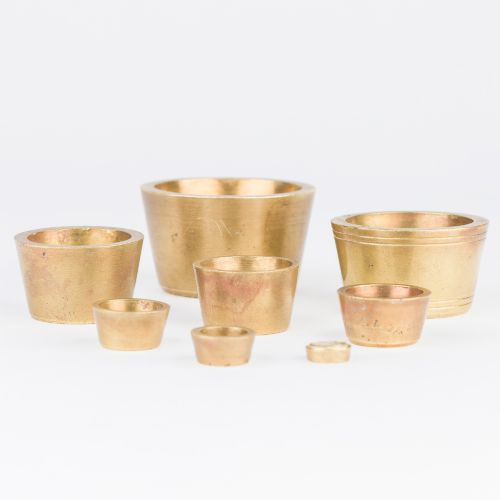
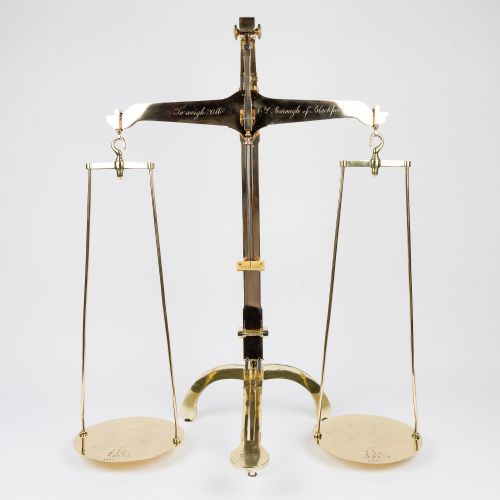
These antique precision scales are finely calibrated measuring instruments built from brass, steel, and mahogany, prized by collectors for their exact mechanics.
Antique Precision Scales
When you search for antique precision scales, you encounter specialised measuring apparatus designed for exacting professional tasks rather than domestic use. These instruments include chemist beam scales and verification balances utilised by local authorities for trade standard checks.
The versions most frequently met on this page date from the late nineteenth century into the mid-twentieth century, showing Victorian industrial and scientific influences. They combine brass beams, glass panels, and wooden cabinetry to protect the delicate balance mechanisms from air currents.
How they were made
Makers constructed these precision balances using heavy brass for the beams and pillars, mounted upon solid mahogany bases with integrated drawer housings. Steel knife-edge pivots and agate bearing planes reduced friction to ensure minute sensitivity in measurement.
Enclosing glass panels protected the sensitive mechanisms from dust and draughts, while adjustable plumb lines and leveling screws allowed operators to achieve exact equilibrium before taking a reading.
Antique Precision Scales Retail Price Guide 2026
Typical asking prices for precision scales among the pieces listed under this phrase on Sellingantiques today, from the lower quarter to the upper quarter. They describe what is for sale here now, not the wider market.
Listings incorporate brass, mahogany, glass, and steel across scientific instruments and verification balances dating from the eighteen-fifties through the nineteen-forties.
What varies in quality
Quality in these scientific instruments rests upon the integrity of the pivot bearings and the legibility of the maker signatures engraved on the beam or pillar. Finer examples retain their original glass housing panels, unpolished brass surfaces, and matched sets of weights housed in fitted wooden boxes.
Industrial verification balances built for municipal authorities demonstrate heavier cast iron and brass construction designed for robust municipal use, differing from the delicate enclosed apothecary balances intended for pharmaceutical laboratories.
De Grave Short And Co·Oertling·Thomas Dunn·Negretti And Zambra
The Antique Precision Scales Glossary
- Beam scale
- A weighing instrument consisting of a horizontal lever suspended from a central fulcrum with pans hanging from each end. This design forms the fundamental mechanism for precise weight comparison.
- Verification balance
- A heavy-duty measuring device used by municipal inspectors to check standard weights for commerce. These instruments require robust construction and precise calibration.
- Agnate bearing
- A hard stone insert used within precision balances to support the steel knife-edge pivots. This mineral reduces friction during movement.
- Troy ounce
- A system of units of mass originating in Britain, traditionally used for precious metals and apothecary measurements. Sets of these specific weights often accompany pharmaceutical scales.
Antique Precision Scales: Frequently Asked Questions
What are antique precision scales?
These are finely calibrated measuring devices built with brass beams and glass housings, originally used in laboratories and municipal offices for exact measurements.
They represent the intersection of Victorian engineering and scientific utility, designed to measure minute differences in mass with high accuracy.
How do I maintain glass cases?
Clean the glass panels gently with a dry microfiber cloth to avoid disturbing the fragile wooden framing and historic finish.
Keep the instruments away from direct sunlight and damp environments to preserve the mahogany woodwork and prevent brass tarnishing.
Were these used in chemists?
Yes, many precision beam scales served in apothecary shops and chemical laboratories for compounding medicinal formulas accurately.
Their enclosed glass cabinets prevented air movement from interfering with the delicate weighing of small quantities of powder or liquid.
How do I date an instrument?
Examine the style of the mahogany cabinetry, the typography of the maker signature, and any municipal verification stamps present on the brasswork.
Makers often inscribed their company name and address directly onto the metal beam or the interior of the wooden base.