



Antique Pot Rack
An antique pot rack offers practical charm, holding cookware with sturdy hooks across tiered iron or oak frames designed for daily culinary work.
Antique Pot Rack
When searching for an antique pot rack, buyers encounter robust kitchen storage solutions intended for heavy domestic use. The pieces appearing here span from the eighteenth century into the early twentieth century, reflecting utilitarian forms used across English and Welsh country houses.
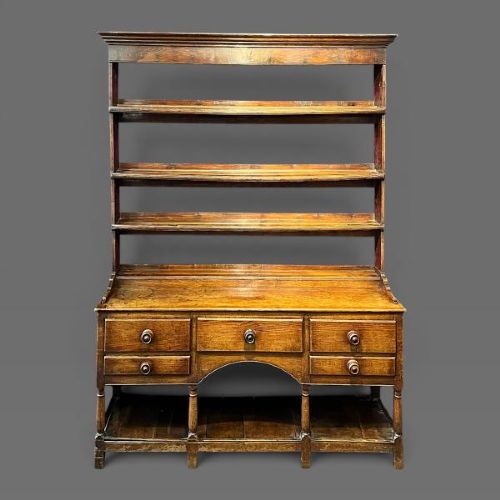
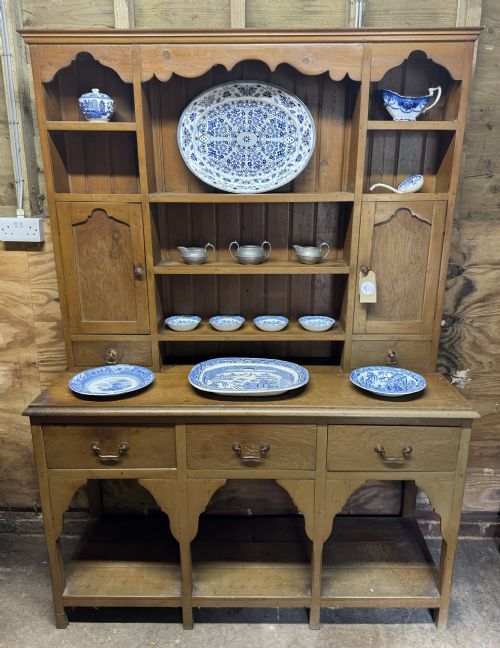
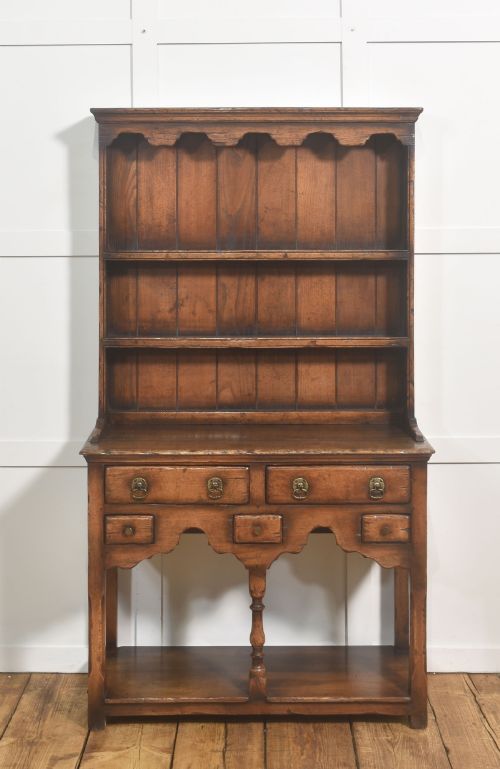
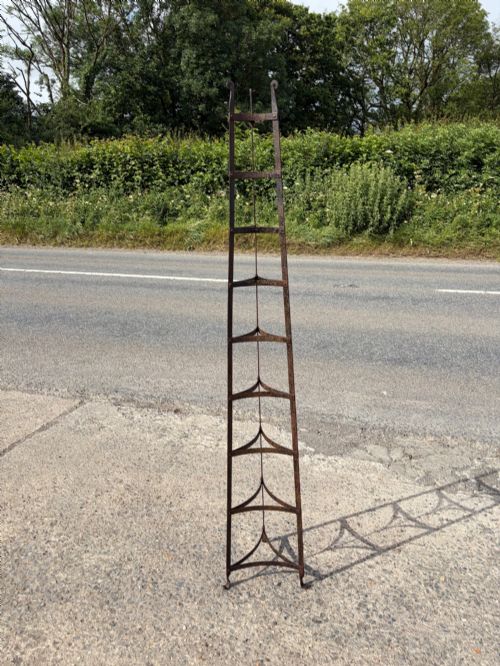
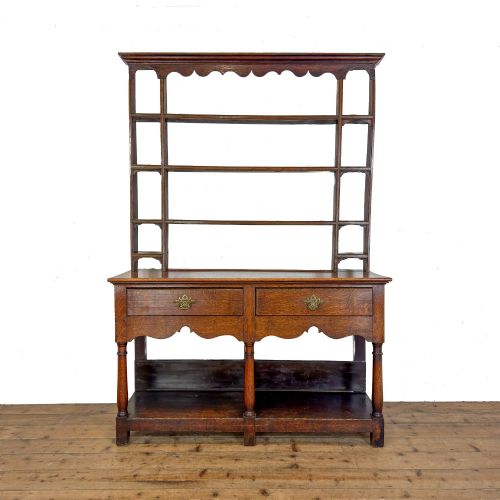
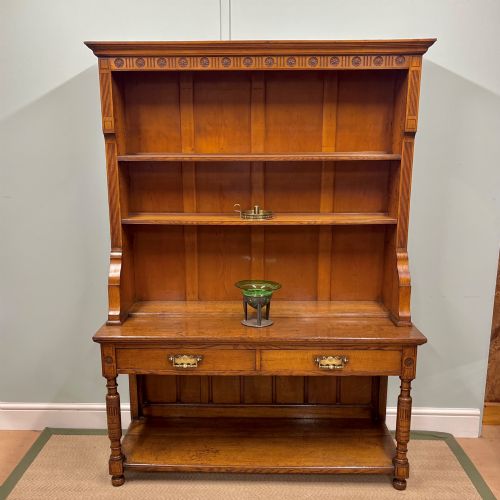
The most common formats on this page are multi-tiered wrought iron pan stands and integrated dresser racks designed to display cookware or ceramics. These objects range from compact Victorian iron stands with multiple tiers to substantial oak dressers featuring plate and pot rails.
Origins trace largely to vernacular traditions, particularly Welsh and English country workshops where local timbers and forged iron served practical kitchen needs. Buyers find these items functioning as both freestanding pan holders and wall-mounted or pot-board storage units.
How they were made
Makers utilised durable local materials, principally solid oak, pine, and heavy wrought iron or brass. Iron pieces were forged with multiple tiers and fitted hooks, while wooden dressers relied on pegged joints and board construction to support heavy kitchen loads.
Surfaces frequently show original painted finishes, aged patinas, or simple wax treatments applied to oak and pine. Metal frames display hand-forged characteristics from nineteenth and early twentieth-century workshops.
Antique Pot Rack Retail Price Guide 2026
Typical asking prices for pot rack among the pieces listed under this phrase on Sellingantiques today, from the lower quarter to the upper quarter. They describe what is for sale here now, not the wider market.
The inventory includes multi-tiered pan stands alongside traditional Welsh and English country kitchen dressers.
What varies in quality
Distinctions in quality rest upon the integrity of the original structure and the survival of early surfaces. Pieces retaining original hooks, unblemished pot-boards, and undisturbed timber patinas command greater interest than heavily restored examples.
The complexity of the tier arrangement and the refinement of the ironwork or woodwork set individual pieces apart. Formats featuring multiple balanced tiers or integrated dresser bases demonstrate higher levels of vernacular craftsmanship.
The Antique Pot Rack Glossary
- Pot-board
- A low bottom shelf fitted between the legs of an oak dresser, originally intended for storing heavy pots and pans. This lower tier provides structural stability to the base of the furniture.
- Tier
- A single level or row within a multi-layered stand, designed to hold cookware systematically. Multiple tiers increase the capacity of iron pan stands.
- Vernacular
- Regional furniture styles built by local craftsmen for practical domestic use rather than following strict high-style metropolitan fashions. These pieces often utilise local timber such as Welsh oak.
- Patina
- The surface sheen and colour acquired by wood or metal through decades of handling, exposure, and polishing. Original patinas indicate minimal alteration over time.
- Plate rack
- An upper wooden framework attached to a dresser, featuring vertical slats or grooves to display plates upright. Many incorporate hooks along the lower edge for hanging utensils.
Antique Pot Rack: Frequently Asked Questions
How do I clean an iron pot stand?
Maintenance requires gentle dusting and occasional light application of oil to protect the forged metal surface from moisture.
Harsh chemical cleaners must be avoided to preserve any historic painted finishes or natural dark iron patinas.
Can these racks hold heavy modern pans?
Wrought iron tier stands and solid oak dressers were built for heavy domestic kitchens and easily support standard cookware.
Fixing stability should be checked before loading wall-mounted or tall tiered versions with heavy copper or cast iron.
What is a pot-board dresser?
A pot-board dresser is an oak storage unit featuring an open lower shelf specifically designed to hold heavy kitchen pots.
This distinct lower platform separates standard dressers from variants equipped for heavy culinary storage.
How do I date an oak pot rack?
Dating relies on construction methods, timber selection, joinery techniques, and the presence of original surface patinas.
Eighteenth-century examples often display hand-sawn boards and pegged joinery distinct from later nineteenth-century manufacturing.