
Antique Portraiture Painting
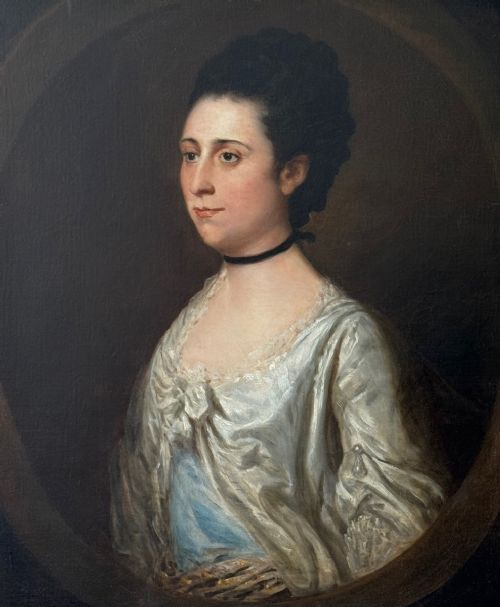
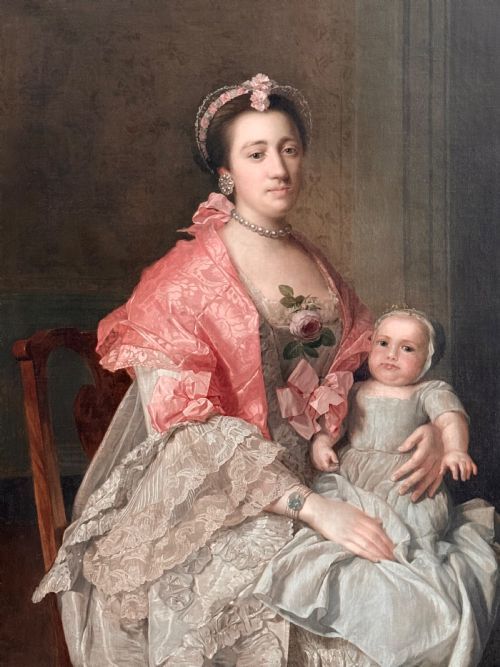
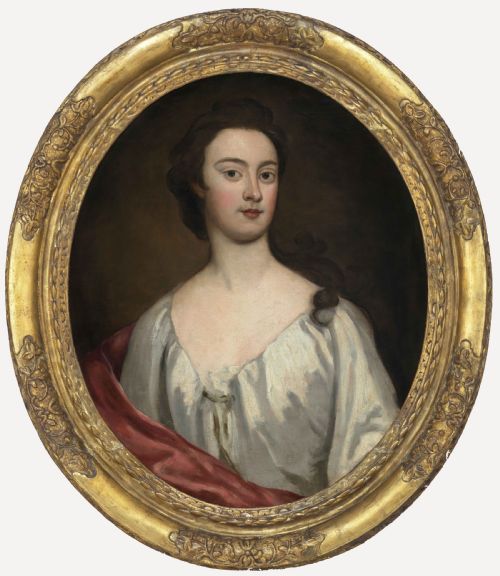
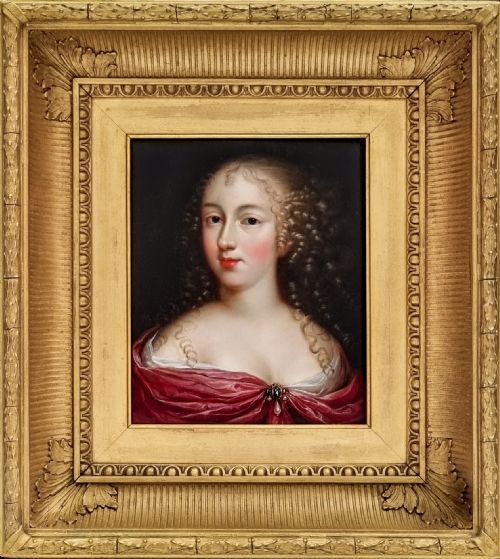
When you search for antique portraiture painting, you encounter centuries of rendered likenesses capturing nobility, officers and gentlefolk in oils.
Antique Portraiture Painting
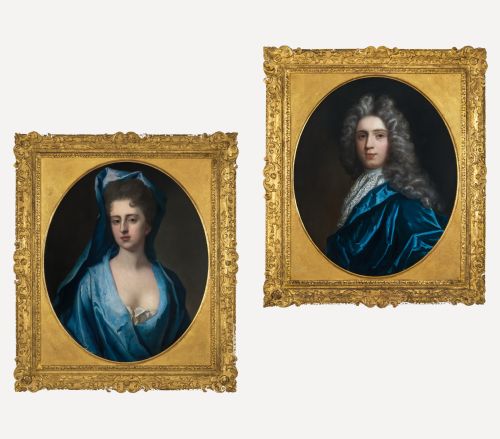
The antique portraiture painting category encompasses historical likenesses ranging from the seventeenth century through to the Edwardian period and beyond. Buyers examining this page will find oil paintings on canvas and panel, alongside occasional pastel works depicting named sitters and anonymous subjects.
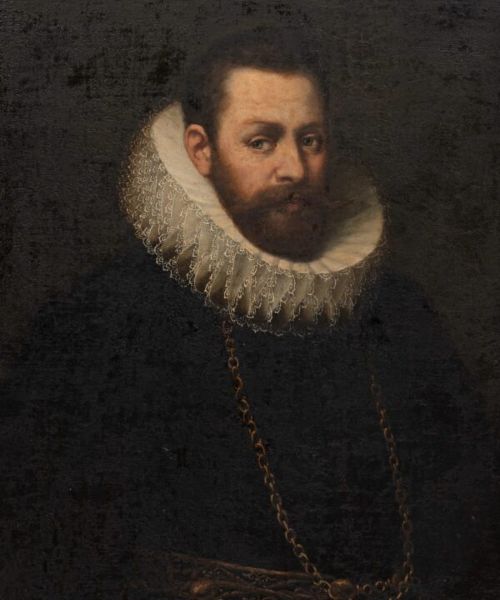
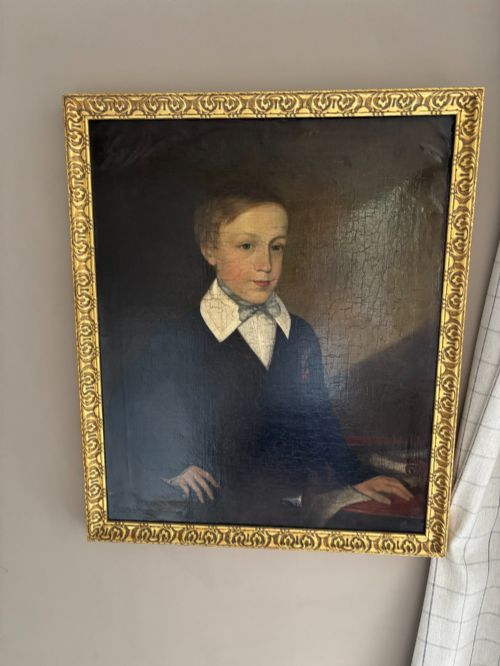
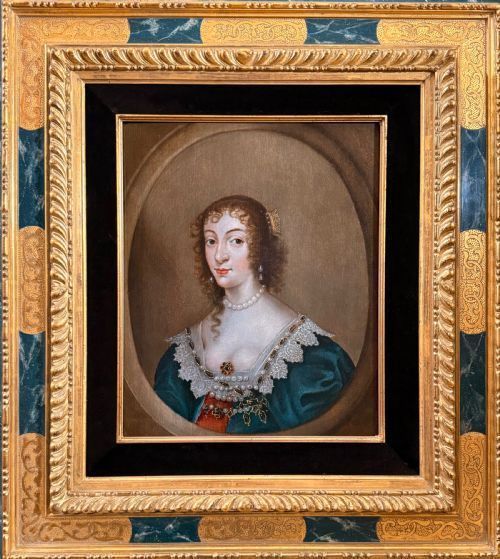
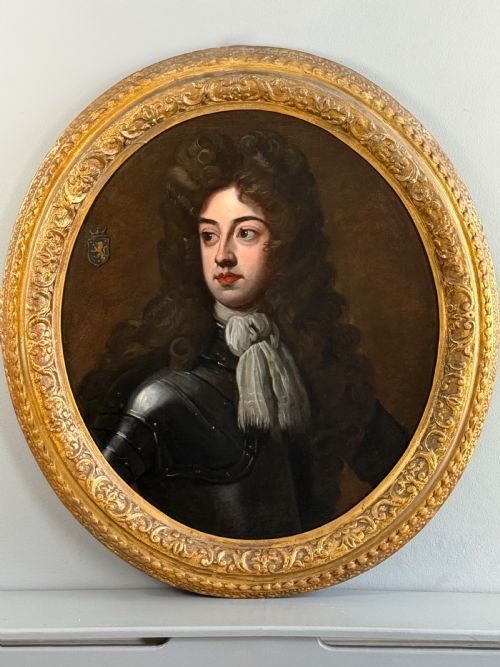
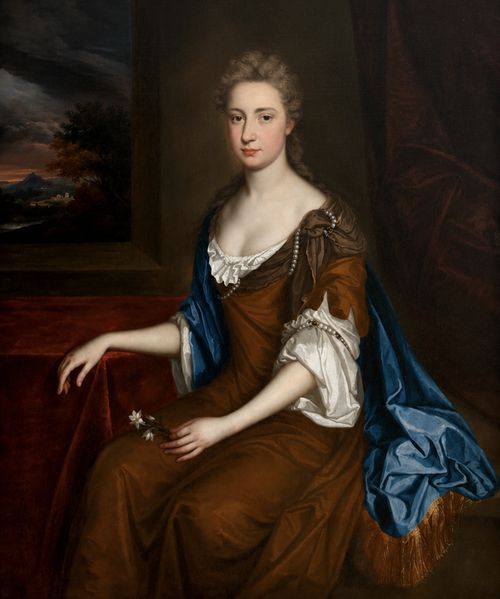
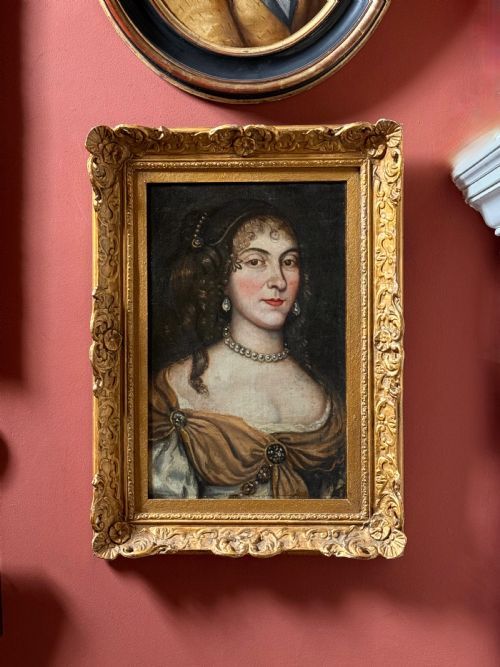
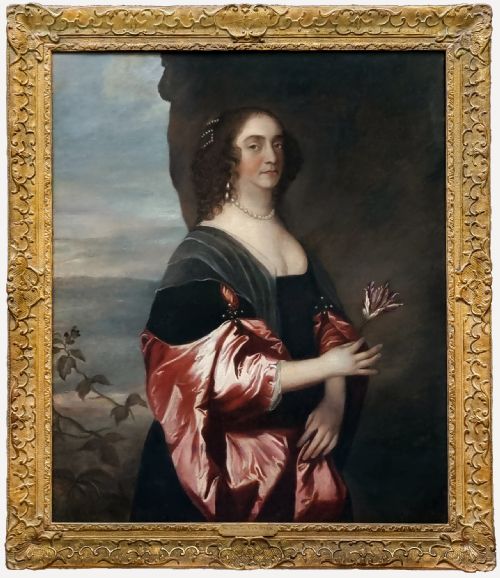
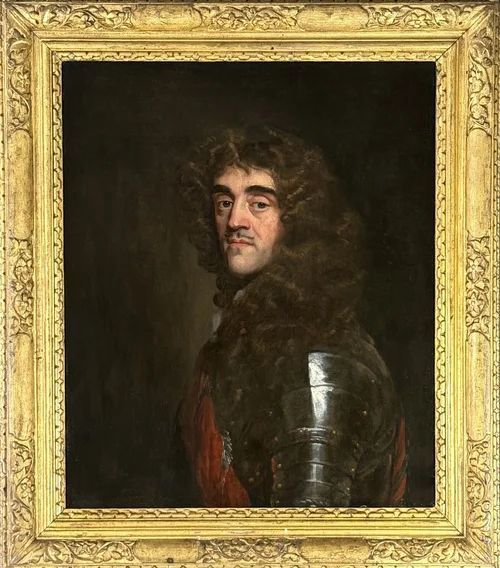
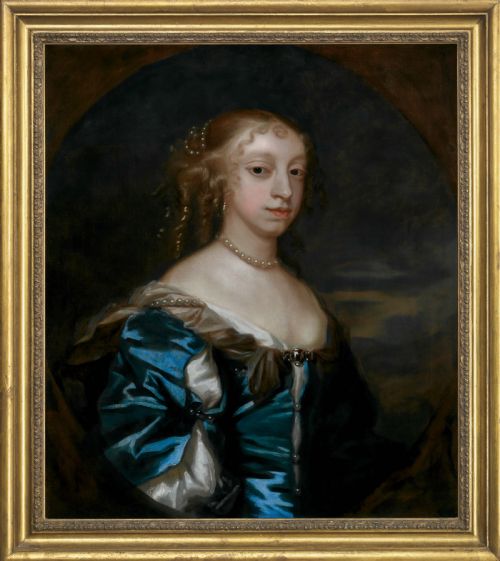
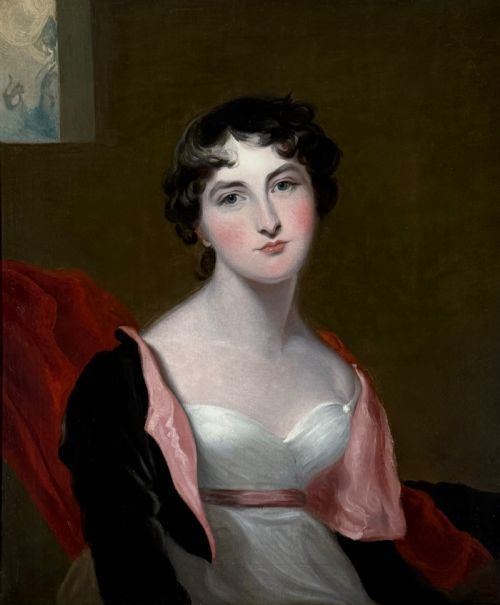
Seventeenth-century examples feature noblewomen and gentlemen in elaborate costume, whilst eighteenth-century and Regency pieces showcase structured attire, wigs and detailed facial expressions. Works span British, Dutch, French and Spanish schools, reflecting diverse regional portrait traditions.
The selection includes studio pieces, works by identified circle members, and formal portraits bearing historical inscriptions or dates.
Materials and technique
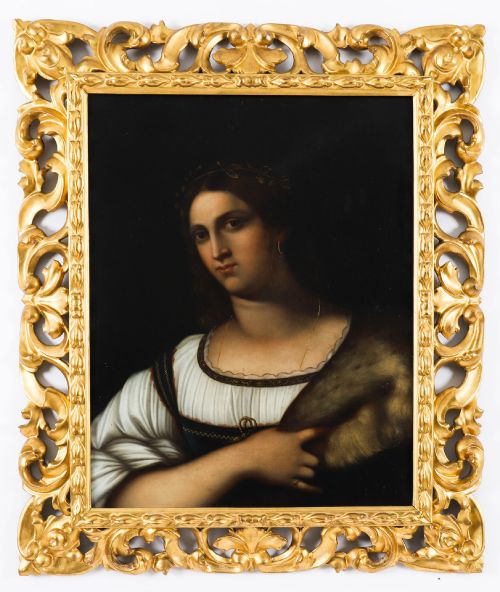
These works rely primarily on oil paint applied to woven canvas or wooden panels, capturing fine details in skin tones, textiles and lace. Artists utilised layered glazes to build depth in clothing and backgrounds.
Many surviving examples retain their original frames constructed from giltwood, gilded wood or carved wood, frequently embellished with gold leaf highlights to enhance the visual presentation of the canvas.
Portraits record historical figures ranging from seventeenth-century nobility to military officers and clergymen.
Evaluating the standard
Quality in these works resides in the precision of facial rendering, the natural fall of drapery and the psychological depth conveyed in the sitter's expression. Masterful handling of light upon velvet, lace or armour distinguishes accomplished studio output from more formulaic workshop production.
The preservation of the original paint surface, alongside the integrity of the canvas support and the quality of the associated period giltwood frame, influences the standing of an individual piece within the wider field.
Sir Godfrey Kneller·Charles Jervas·Joseph Clover·Sir Martin Archer Shee·John Hayls·Jeremiah Davison·Pierre Mignard·Constantyn Netscher·Thomas Murray·Sir Peter Lely·John Scougall·Thomas Beach·Pietro Fachetti·Sir Allan Ramsay·John Russell·John Michael Wright
The Antique Portraiture Painting Glossary
- Oil on Canvas
- A painting medium where pigments are suspended in drying oils and applied to a stretched cloth support. This technique allowed artists to achieve rich tonal gradations and subtle blending.
- Giltwood
- Wood carved and coated with a thin layer of gold leaf or metallic powder. It provides ornamental framing designed to complement the palette of the painting.
- Panel
- A flat wooden board utilised as a rigid support for paint prior to the widespread adoption of canvas. Panels provide a stable surface favoured in earlier European portraiture.
- Circle of
- A designation indicating that a painting originates from an unknown artist working closely within the style and immediate orbit of a named master.
- Periwig
- A voluminous artificial hairpiece fashionable among nobility and gentlemen during the late seventeenth and early eighteenth centuries, frequently documented in portraits of the period.
Antique Portraiture Painting: Frequently Asked Questions
How were these portraits historically displayed?
Wealthy patrons hung large oil portraits in country houses, libraries, and formal reception rooms to project family lineage and social status.
Framed in heavy giltwood, they served as both personal mementos and statements of prestige.
Are the sitters usually identified?
Many portraits record the names, titles, or family connections of the subjects directly on the canvas or via historical inscriptions. Others depict anonymous gentlemen, ladies, or military officers dressed in period costume.
Research into heraldry and dress often provides clues to unnamed sitters.
How do I identify a seventeenth-century portrait?
Seventeenth-century pieces typically exhibit specific clothing styles such as lace collars, elaborate doublets, periwigs, and heavy velvet cloaks. The painting techniques and canvas preparations also align with seventeenth-century workshop practices.
Attributions to specific schools or circles aid in confirming the era.