
Antique Portrait Photo Frame
An antique portrait photo frame turns a simple family likeness into a decorative centrepiece for any mantelpiece.
Antique Portrait Photo Frame
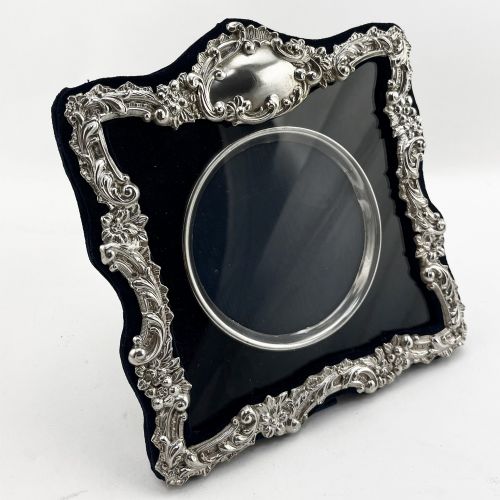
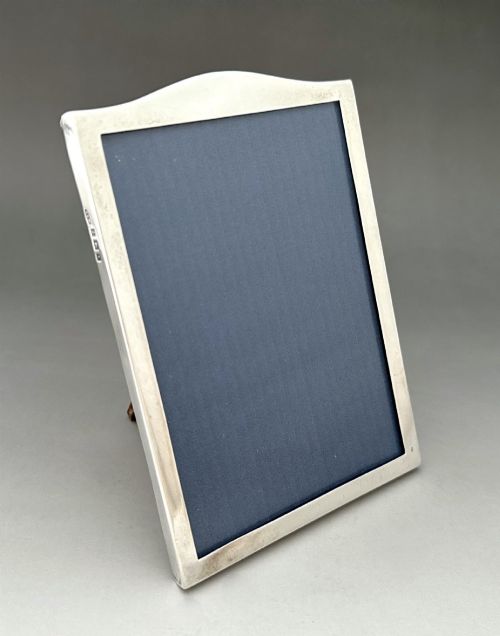
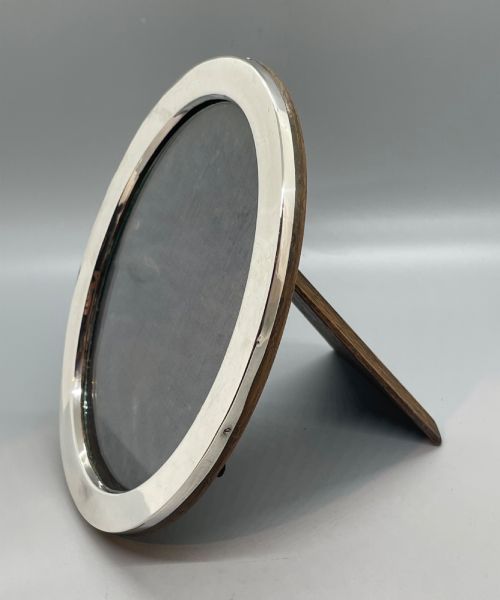
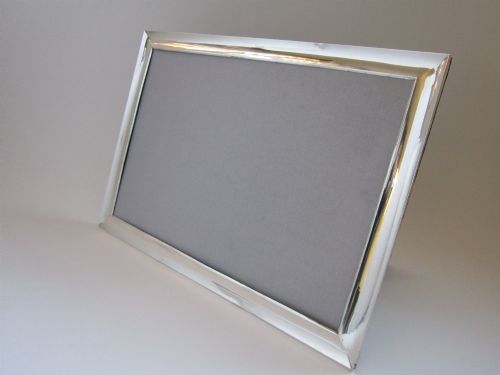
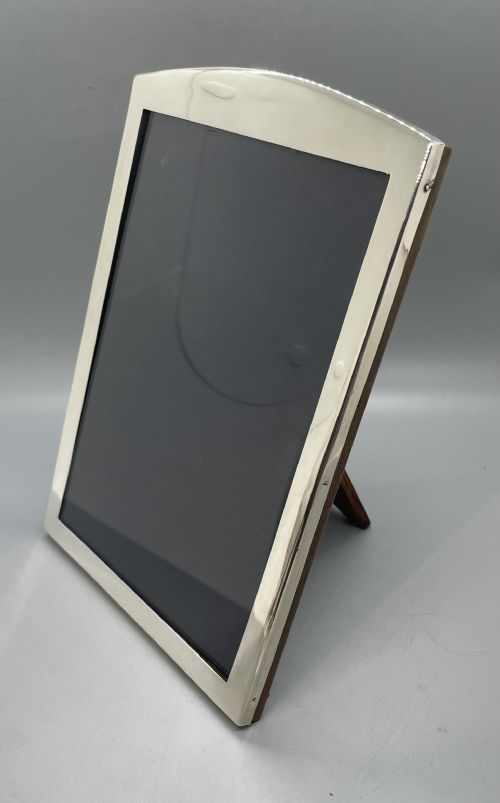
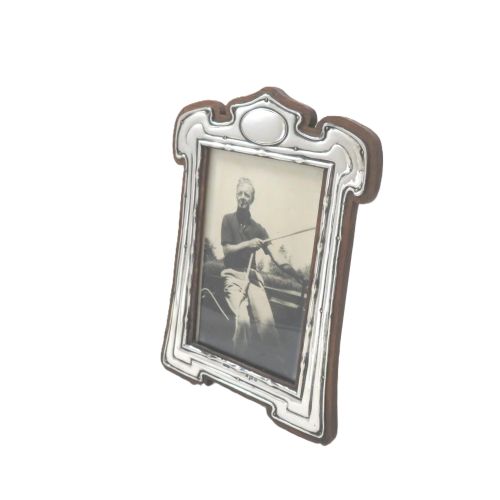
An antique portrait photo frame is a decorative housing designed to display personal photographs or miniature portraits. The selection spans the Victorian, Edwardian and George V periods, featuring prominent examples from around nineteen hundred up to the nineteen twenties.
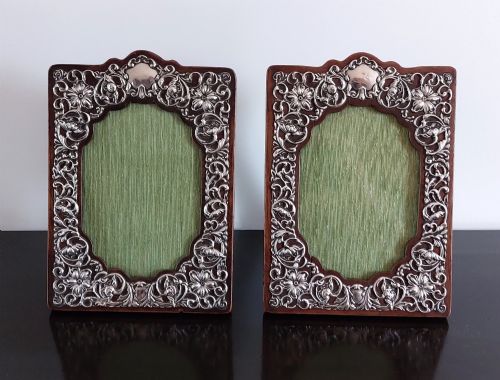
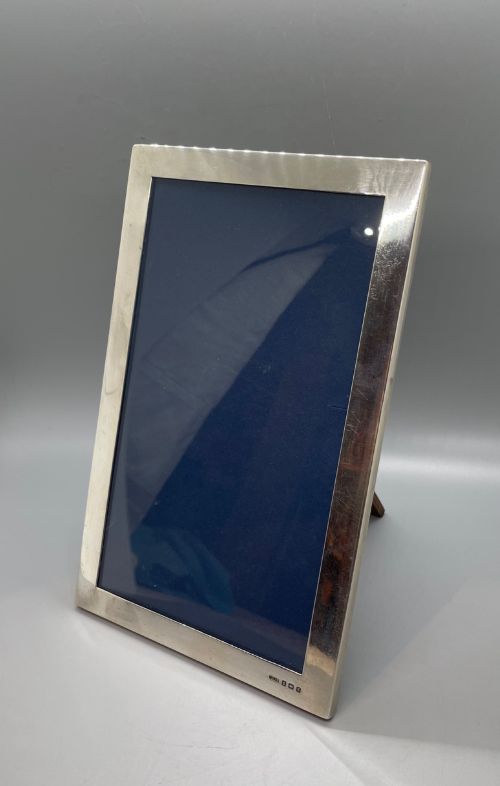
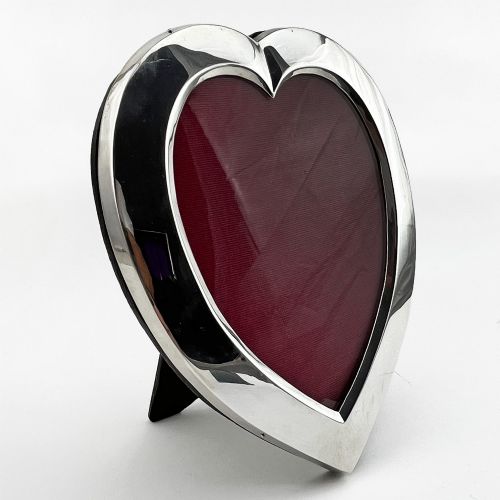
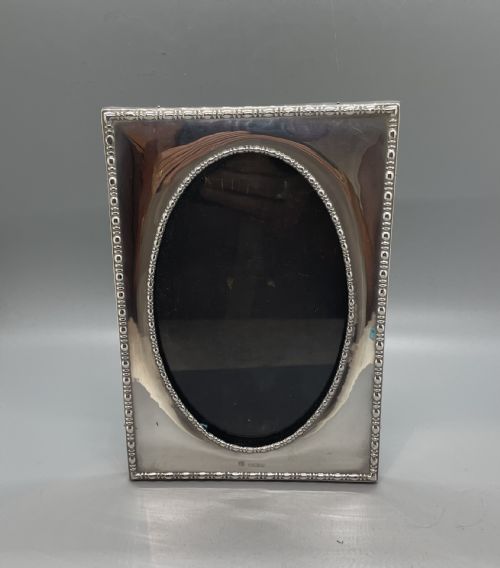
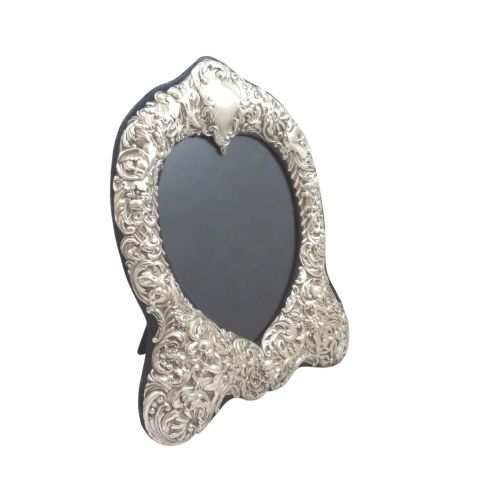
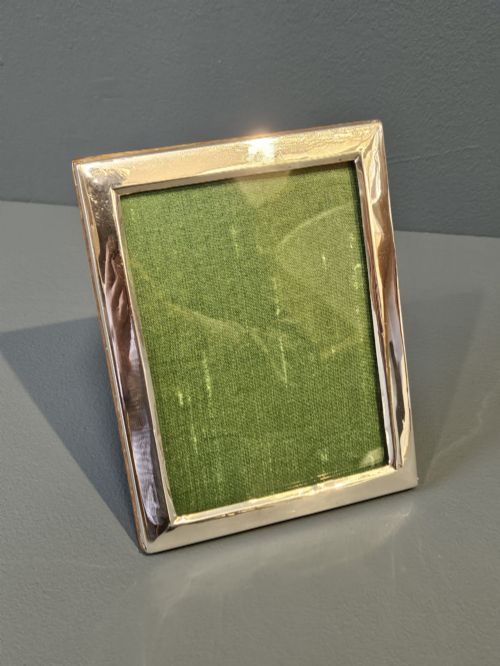
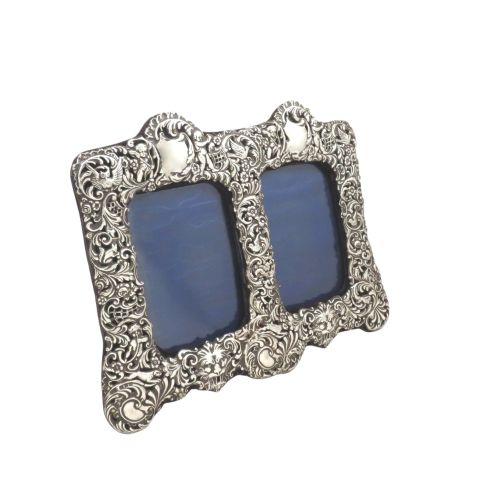
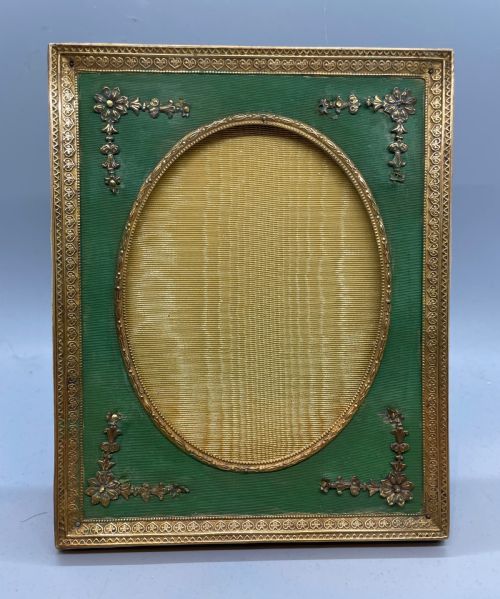
Buyers will encounter various forms, including single rectangular shapes, heart-shaped designs, double frames and oval formats. These items often incorporate easel backs, velvet linings and protective glass or crystal fronts to preserve the image inside.
Origins stretch across English assay offices such as Birmingham and Sheffield, alongside continental styles like French Rococo. Pieces range from modest tabletop sizes to large twelve-inch display items.
Materials and technique
Sterling silver dominates the construction of these items, often formed with substantial wooden backing boards covered in fabric or velvet. Metals such as brass, gilt bronze, ormolu and gold on silver provide alternative framing structures.
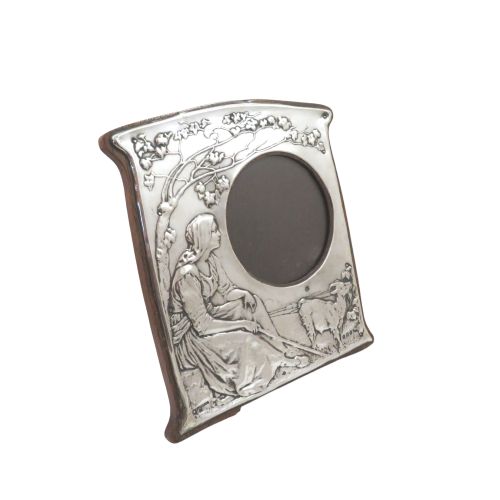
Silversmiths utilised techniques like embossing, chasing and engine-turning to decorate the borders with floral motifs, angels or geometric patterns. Art Nouveau pieces frequently display flowing whiplash lines, while Arts and Crafts examples incorporate enamel detailing.
Listings feature sterling silver, brass, wood, velvet and glass across Victorian, Edwardian and George V periods.
What separates the standard
The distinction in quality lies in the crispness of the metalwork and the integrity of the original backing and struts. Finer items exhibit deeply chased floral motifs, clear hallmarks from recognised assay offices, and well-preserved structural fittings.
Weight and gauge of the sterling silver also determine the calibre of the piece, alongside the presence of specialist decorative elements like hand-applied enamel or complex double-hinged construction.
William Comyns·William Hutton and sons·W.I.Broadway and co
The Antique Portrait Photo Frame Glossary
- Sterling silver
- A silver alloy containing ninety-two point five percent pure silver and seven point five percent other metals, typically copper. This standard metal is common in British frames bearing official assay office hallmarks.
- Ormolu
- A metallic coating of finely ground gold-mercury amalgam on an object of bronze. This technique creates a rich golden finish seen on nineteenth-century decorative pieces.
- Engine-turning
- A mechanical decoration method that etches precise, intricate geometric patterns into metal surfaces. It provides a textured finish often found on George V silver frames.
- Assay office
- A body that tests the purity of precious metals and stamps items with official hallmarks. British offices in towns like Birmingham and Sheffield stamped dates and makers onto silver frames.
Antique Portrait Photo Frame: Frequently Asked Questions
How do I date my silver photo frame?
Look for the series of tiny stamped hallmarks on the metal border, which typically include a city mark, a lion passant indicating sterling silver, and a date letter.
Matching this letter against published assay office tables reveals the exact year the frame was hallmarked.
What are the common sizes available?
Sizes range from small tabletop ovals measuring a few inches to large twelve-inch display pieces designed for prominent placement.
Heart-shaped and double frames also offer various dimensions depending on whether they hold single portraits or paired photographs.
Can I replace the original glass?
Original curved or flat glass adds historical value, but replacement is possible if breakage occurs during handling.
Care should be taken to retain any original backing pins or bezels that secure the glass within the metal rebate.
How should I clean tarnished silver frames?
Use a soft microfibre cloth and a gentle, non-abrasive silver polish formulated for antiques.
Avoid applying harsh liquids directly onto the velvet or fabric backing materials found on the reverse of the frame.