



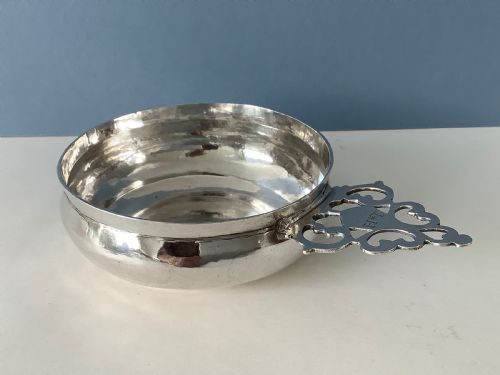


Antique Porringer Cup
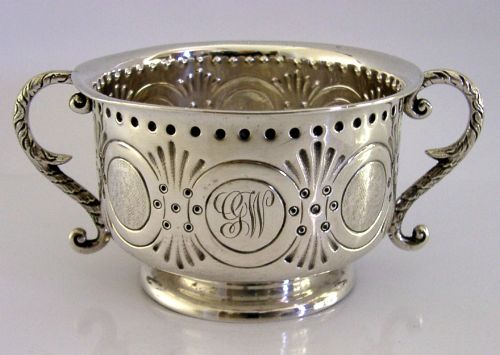
These antique porringer cup pieces are traditional two-handled vessels designed for broth or christenings, offering tactile historical charm for your home.
Antique Porringer Cup
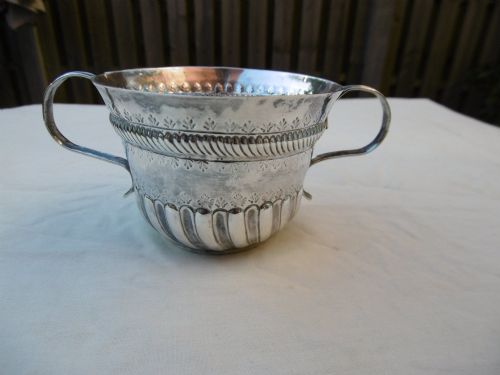
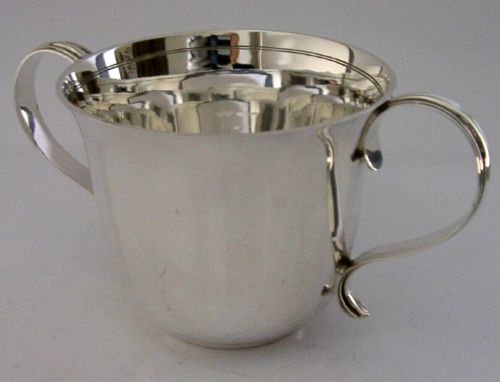
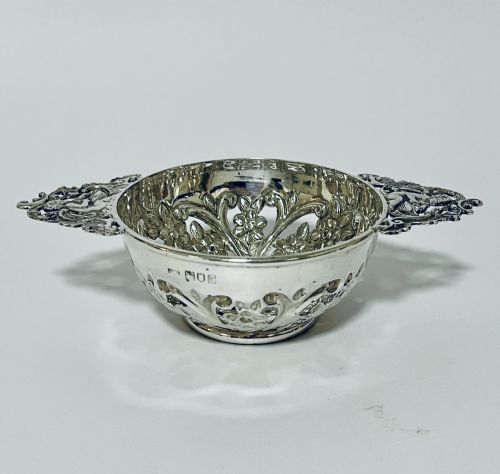
When you search for an antique porringer cup, you encounter deep-bowled vessels flanked by two handles, historically used for liquid foods or ceremonial gifts. The selection here ranges from late seventeenth-century examples through Georgian and Victorian periods up to Edwardian and Art Deco iterations.
Most entries on this page consist of sterling silver or Britannia standard silver forms, though some are accompanied by leather, velvet, or silk linings in fitted boxes. You will find items categorized under porringers, silver bowls, and christening sets, showing both single cups and matched pairs.
How they were made
The physical construction relies heavily on sterling silver and higher purity Britannia standard silver, beaten and shaped into deep circular bowls with soldered handles. Master silversmiths utilised traditional hammering and casting techniques to produce both plain vessels and ornamented bodies.
Associated items in the record include fitted presentation cases lined with silk, velvet, and leather to protect the metalwork. These materials demonstrate a standard of craftsmanship appropriate for celebratory christening gifts and domestic display.
Antique Porringer Cup Retail Price Guide 2026
Typical asking prices for porringer cup among the pieces listed under this phrase on Sellingantiques today, from the lower quarter to the upper quarter. They describe what is for sale here now, not the wider market.
One tiny seventeenth-century cup weighs a mere twenty-one grams, proving that historical silversmiths could work on a surprisingly delicate scale.
What varies in quality
Quality differences emerge in the crispness of the silversmith's original chasing, the substantial weight of the metal, and the historical integrity of the handles. Pieces made to Britannia standard or bearing clear period hallmarks often reflect superior manufacturing standards.
The presence of original fitted boxes lined with silk or velvet alters the character of a piece compared to a bare cup. Furthermore, traceable maker marks and documented provenance separate standard domestic vessels from collector-grade items.
Thomas Sutton
The Antique Porringer Cup Glossary
- Porringer
- A small, deep vessel with two horizontal handles, historically used for porridge, broth, or wine. Later examples frequently served as presentation pieces for christenings.
- Britannia Standard
- A higher grade of silver purity introduced by English law in 1697, containing ninety-five point eight percent pure silver. This standard was mandated to discourage the melting of coinage.
- Quaich
- A shallow two-handled drinking vessel of Scottish origin, often included among traditional drinking bowls. It shares the twin-handle configuration characteristic of many porringers.
- Hallmark
- An official stamp applied to precious metals to guarantee their purity and origin. These marks allow collectors to date the piece and identify the maker.
- Chasing
- A metalworking technique where designs are hammered into the front surface of the silver rather than engraved by cutting away metal. This method creates raised decorative relief patterns.
Antique Porringer Cup: Frequently Asked Questions
What was a porringer cup used for?
These vessels were originally designed for eating soft foods, broth, or porridge in domestic settings. Over time, many evolved into ceremonial gifts, particularly for christenings.
Their twin-handle design allowed them to be held securely or passed around a table. Today, they function primarily as decorative silver objects or traditional family keepsakes.
How do I identify a seventeenth-century porringer?
Seventeenth-century examples often feature Britannia standard silver or early sterling hallmarks corresponding to reigns like William and Mary or William III. They tend to exhibit hand-beaten surfaces and cast scroll handles.
Comparing the weight, style of lettering on hallmarks, and bowl proportions against known period references helps confirm the date. Examining the construction reveals the hand methods of early silversmiths.
Are christening sets common for these cups?
Some surviving examples form part of boxed Victorian christening sets, often accompanied by matching items like spoons. These sets were presentation pieces intended to mark a child's birth or baptism.
They frequently survive inside original fitted cases lined with silk, velvet, or leather. This packaging has helped preserve the polished finish of the silver.
How should I display silver porringers at home?
Silver porringers can be displayed on open shelving, inside glass cabinets, or used as small desk tidies for keeping small items. Their reflective surfaces catch natural light effectively in traditional or modern interiors.
Regular, gentle dusting and minimal polishing help maintain the silver surface without wearing down the antique hallmarks. Keeping them away from direct moisture preserves any associated silk or velvet linings.